
Last updated October 30, 2026
 Smart locks
 House lockouts
 Re-keying
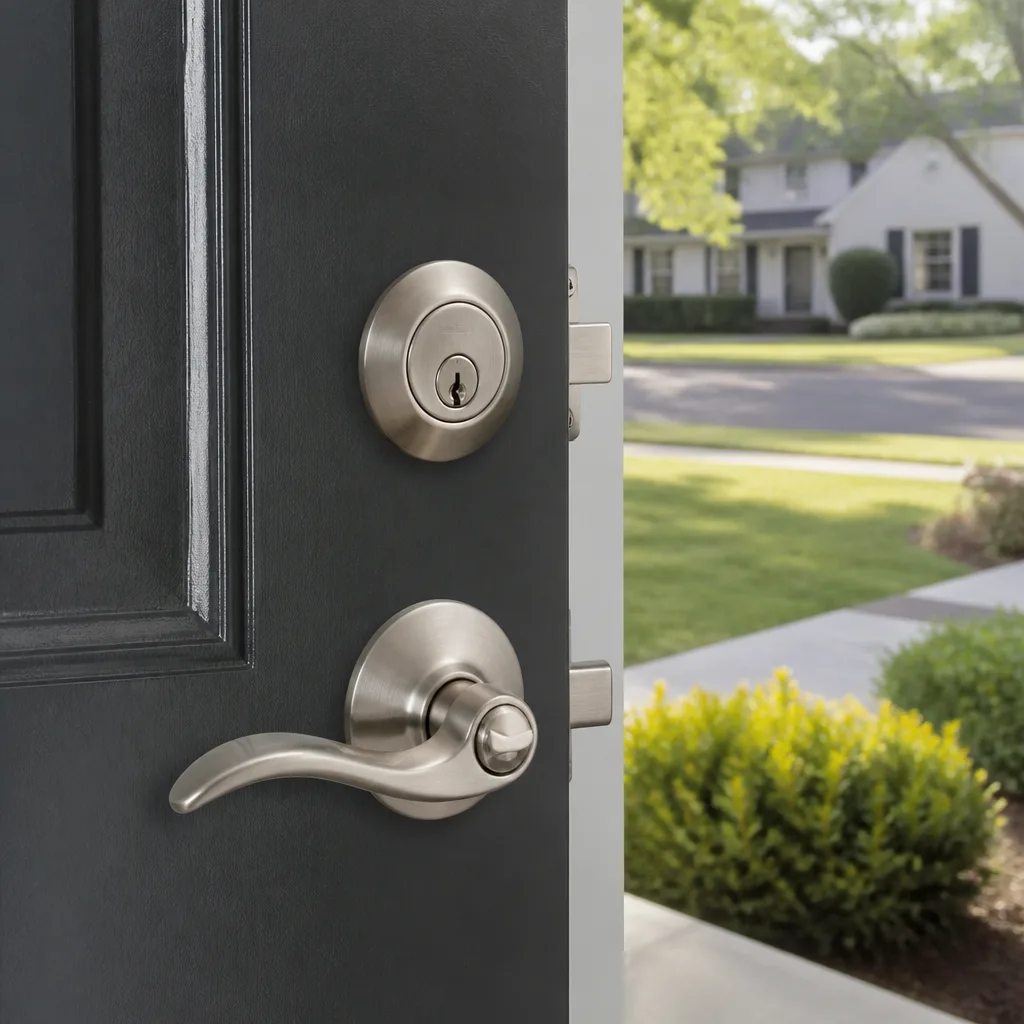 Deadbolt upgrades
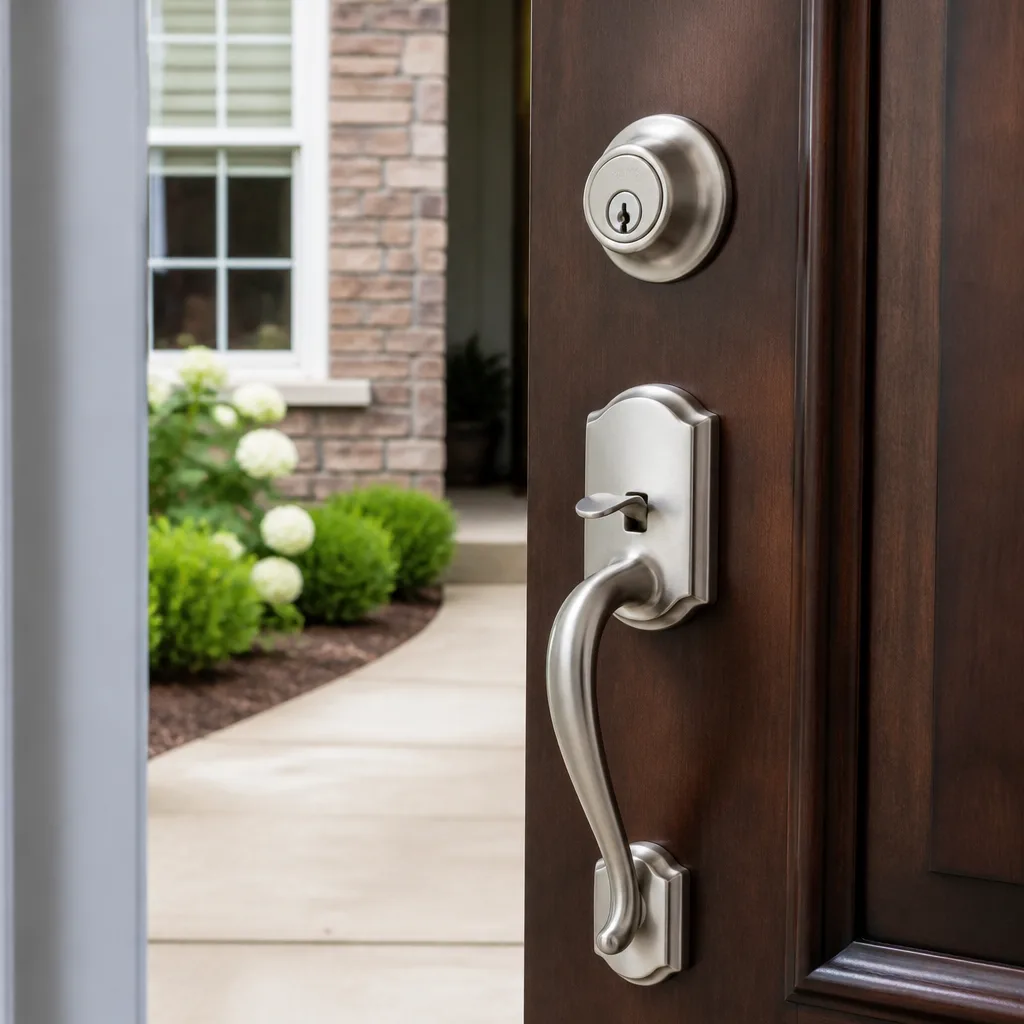 Schlage
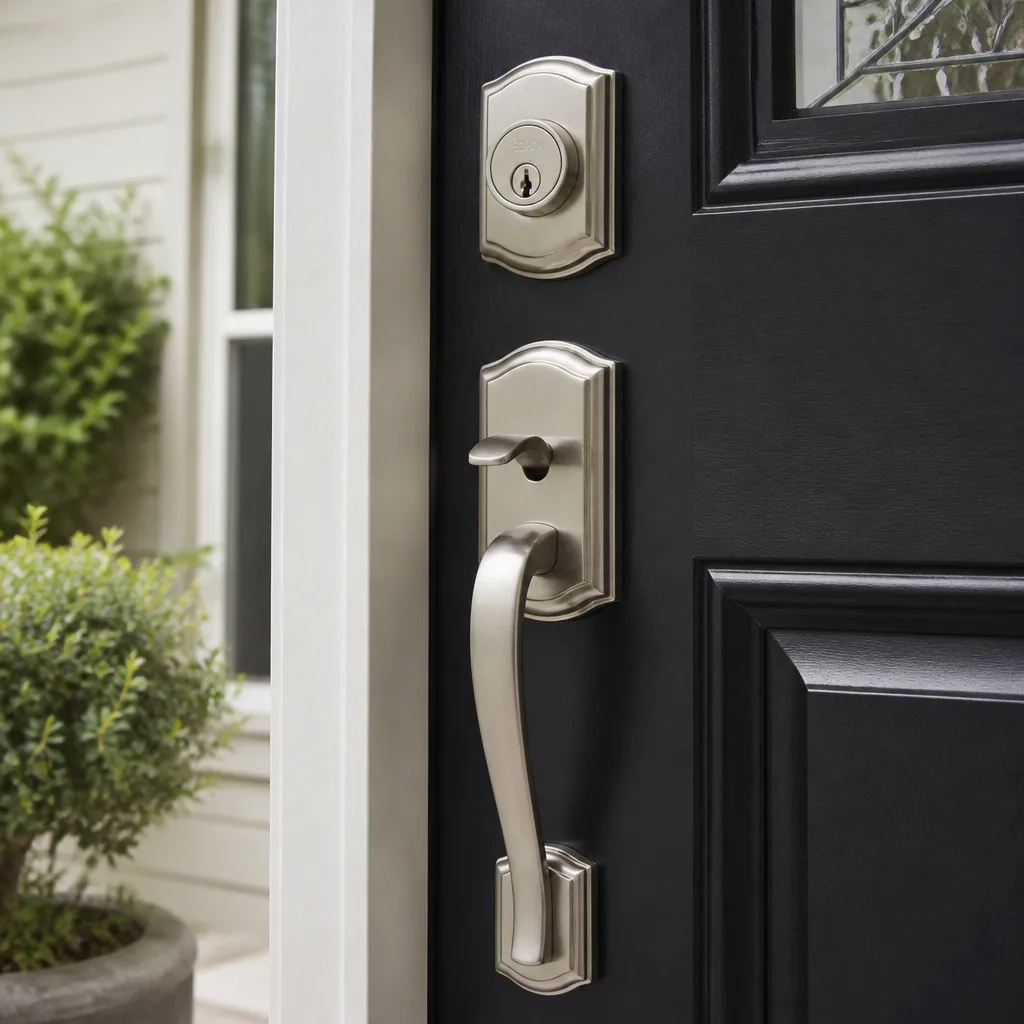 Kwikset
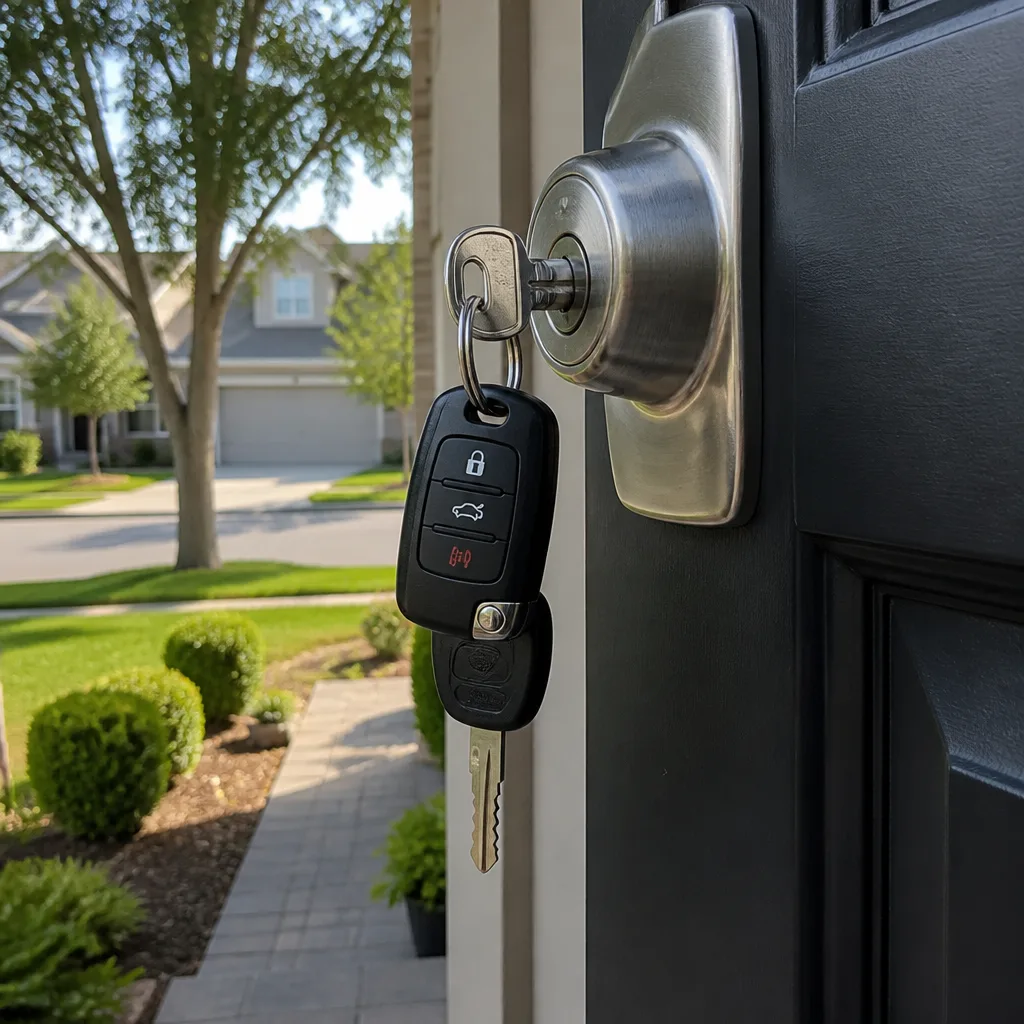 Car keys & fobs
Non-destructive entry first, always - and we re-key Schlage, Kwikset, and Baldwin locks on the spot while you watch
You get a price before we start. It does not change when we arrive. No surprises.
Get your free estimateSeasonal Locksmith Care for Mesa: Year-Round Homeowner’s Guide
Lock lubricant evaporates. That sounds obvious, but in Mesa it happens faster than nearly anywhere else in the country. The dry desert air pulls moisture out of everything, including the graphite and Teflon compounds inside your deadbolts, latch mechanisms, and ignition cylinders. By the time a Mesa summer has run its course, locks that were smooth in March are grinding, sticking, and chewing up keys. Most homeowners lubricate a lock once when it starts acting up, then forget about it for years. This guide explains the lock maintenance rhythm that Mesa’s climate actually demands, month by month, so you can stop paying for emergency calls that a five-minute seasonal checkup would have prevented.
Quick Answer
Mesa’s desert climate shortens lock lifespan through extreme heat, UV exposure, monsoon humidity spikes, and the fine dust that works into every mechanism. Homeowners should lubricate exterior locks with graphite in spring and fall, inspect weatherproofing on keypad locks before monsoon season, test all deadbolt alignments after the first summer heat wave, and deep-clean ignition cylinders before winter temperature swings. A seasonal maintenance routine of about 30 minutes twice a year prevents most lock failures that lead to lockouts and hardware replacement.
Styles & brands we work with
Table of Contents
- Why Mesa’s Climate Is Harder on Locks Than Most Homeowners Realize
- The Month-by-Month Lock Maintenance Calendar for Mesa
- Lubrication in the Desert: Why Graphite Beats WD-40 in Mesa’s Heat
- Thermal Expansion and Deadbolt Binding: Fixing Strike Plate Alignment
- Monsoon Season Preparation: Protecting Exterior Hardware from July Through September
- UV Damage on Keypad Locks: Spotting Weatherproofing Failure Before Electronics Die
- Common Mistakes to Avoid
- When to Call a Professional
- Frequently Asked Questions
Why Mesa’s Climate Is Harder on Locks Than Most Homeowners Realize
Locks are mechanical devices, and mechanical devices have tolerances. Those tolerances assume a certain range of temperature, humidity, and particulate exposure. Mesa violates those assumptions daily.
Three specific factors combine to make this one of the most punishing lock environments in the United States:
- Extreme heat. Summer daytime highs of 105°F to 115°F heat metal lock bodies and internal components well beyond design norms. Residential lock hardware is typically rated for continuous operation up to roughly 140°F internally. A dark-colored deadbolt on a west-facing door in July can exceed that by early afternoon. The result is accelerated wear on springs, softened internal lubrication that migrates away from contact surfaces, and keyway binding as dissimilar metals expand at different rates.
- UV radiation intensity. Mesa receives over 300 sunny days per year with some of the highest UV index readings in the country. That radiation degrades rubber gaskets, plastic keypad housings, and the silicone weather seals around electronic lock components. Seven years of Mesa sun ages a keypad lock like 15 years in a coastal climate.
- Fine airborne dust. The Sonoran Desert produces feldspar and quartz dust particles finer than what most air filters catch. This dust settles into keyways, latch mechanisms, and hinge pins. Mixed with evaporated lubricant, it forms a gritty paste that acts like sandpaper inside the lock. We regularly open locks in Mesa homes that have never been cleaned internally and find the equivalent of honing compound packed around the pins.
None of this is to say locks fail constantly here. Quality hardware from manufacturers like Schlage, Kwikset, Yale, and Baldwin is built to handle real-world conditions. But the maintenance interval a Schlage lock needs in Seattle is different from the interval it needs in Mesa. Skipping that interval is what turns a $10 tube of graphite into a $189 deadbolt replacement.
The Month-by-Month Lock Maintenance Calendar for Mesa
You don’t need to maintain locks every week. What you need is the right task at the right time of year. Here is the seasonal rhythm that matches Mesa’s actual weather patterns.
January: Cold Night Testing
Mesa nights commonly drop into the 40s in January, occasionally the high 30s. Cold contracts metal. Locks that worked fine in October may bind as keyway components shrink slightly. This is the month to test every exterior lock on the property, including gate locks and shed padlocks. Insert each key slowly. If you feel resistance or grit, a spring lubrication is overdue. Also check that weatherstripping has not hardened and cracked, leaving gaps where cold air and dust enter the door frame.
February: Hardware Inventory
Walk your property and count every locking point: front door, back door, garage service door, side gate, storage shed, mailbox lock if you have one, window locks on the first floor specifically. Note which locks are original to the house. In neighborhoods across Mesa, from Dobson Ranch to Las Sendas, we see homes where two or three different key types are needed for one property. February is the right month to decide whether rekeying to a single key makes sense for your household. It costs less than replacing hardware, and it eliminates the 4 a.m. fumble for the right key.
March: Spring Lubrication, Round One
This is the most important maintenance event of the year for Mesa homeowners. March delivers a narrow window of mild temperatures before the heat arrives. Every exterior lock gets lubricated now. We cover the correct product choice in the next section, but the point of March lubrication is to load the mechanism before summer heat accelerates evaporation. After lubricating, cycle each lock with the key 10 to 12 times to work the lubricant through the full mechanism.
April: Keypad and Electronic Lock Inspection
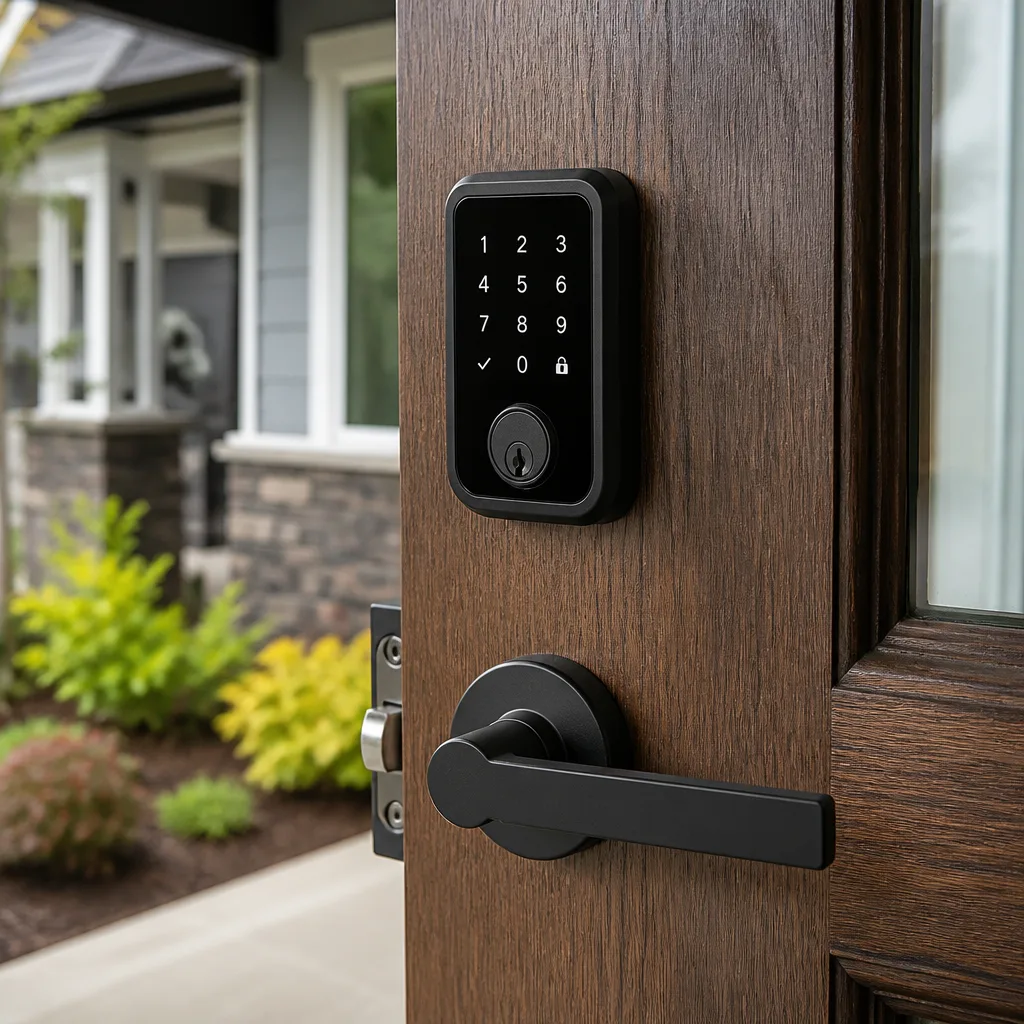
Before temperatures climb, inspect smart locks and keypad deadbolts for the first signs of UV degradation. Look for hairline cracks in the keypad housing, clouding or yellowing of the display cover, brittle gaskets around the battery compartment, and any warping of the exterior shell. Replace batteries now, not mid-summer. Heat accelerates battery drain, and a dead battery on a keypad lock in August means either a call to someone like us at Parkway Lock & Key home or a climb through a window.
May: Strike Plate Alignment Check
By May, daytime highs routinely hit the mid-90s. Wood door frames expand. Metal strike plates shift. Deadbolts that were aligned in February begin to catch. Open and close every exterior door slowly, watching whether the deadbolt throw enters the strike cleanly or scrapes. If you have to lift the door handle or push the door to get the bolt to engage, the strike plate needs adjustment. We cover exactly how to fix this later in the guide.
June: Peak Heat Monitoring
June is when we start getting calls from Mesa homeowners whose keys will not turn in locks that worked fine two weeks earlier. The culprit is almost always thermal expansion combined with inadequate lubrication. If a key becomes difficult in June, do not force it. Forcing a key in a heat-bound lock bends key teeth and can snap the key off in the cylinder. That turns a maintenance visit into a key extraction emergency. Instead, apply graphite, wait 10 minutes, and try again gently.
July: Pre-Monsoon Preparation
Monsoon season officially starts June 15 and runs through September, but the first meaningful storms typically arrive in early July. The humidity spike is dramatic: Mesa can go from 8% relative humidity to 60% in a single afternoon as storms build. Metal hardware that has been dry for weeks suddenly gets a coating of moisture. If that moisture sits against unsealed metal, surface rust forms. July is the time to apply a protective treatment to exposed padlocks, gate latches, and any unsealed bright metal hardware. We cover this in the monsoon section below.
August: Post-Storm Inspection
After each major monsoon event, check exterior locks for water intrusion. Look for rust weeping from keyways, sticky electronic buttons, and any corrosion on hinge hardware. The microburst winds that accompany Mesa monsoon storms also drive dust and debris into lock cylinders at high velocity. A lock that survived a dust storm may fail three weeks later as accumulated grit finally works into the pin stacks.
September: End-of-Monsoon Deep Clean
As monsoon season winds down, clean all exterior lock bodies with a dry cloth. Remove visible surface dust before it has another 10 months to work inward. Check padlocks on gates and storage for rust spots. A small rust spot treated with a wire brush and protective spray now prevents lock seizure by spring.
October: Fall Lubrication, Round Two
October mirrors March. Temperatures return to the comfortable zone, and locks get their second annual lubrication. This round carries them through the mild fall and the colder winter nights. It is also the right time to test car door locks and ignition cylinders, which have spent a full summer baking in the driveway. If your car key feels sticky or the ignition resists turning, this is the month to address it before winter.
November and December: Low-Stress Months
Mesa’s fall is gentle on locks. Temperatures settle into the 60s and 70s, humidity stays moderate, and nothing is actively corroding. This is the season to handle upgrades rather than repairs. If you have been thinking about high-security locks from Medeco or Mul-T-Lock, or premium residential hardware from Baldwin, fall installation gives the hardware months of mild weather to settle in before next summer’s thermal cycling begins.
- Every exterior lock and gate latch lubricated with graphite or Teflon lubricant
- Batteries replaced in keypad and smart locks
- Strike plate alignment verified on all exterior doors
- Protective treatment applied to padlocks and bright metal hardware
- Car door and ignition cylinders tested and lubricated
Lubrication in the Desert: Why Graphite Beats WD-40 in Mesa’s Heat
The most common lock maintenance mistake we see in Mesa households is also the easiest to fix: using the wrong lubricant. The product you choose matters more in the desert than in most climates because heat changes how each lubricant behaves.
The Problem with WD-40
WD-40 is a water displacer and light solvent, not a lock lubricant. In Mesa’s heat, it evaporates within weeks and leaves behind a thin residue that attracts dust. Within two months of a WD-40 application, the lock is typically worse than it was before: the original lubrication has been flushed out, and the residue has collected desert grit. We regularly disassemble Mesa locks that contain a black, gritty sludge that started as WD-40 someone sprayed in six months earlier.
The Problem with Silicone Sprays
Silicone spray lubricants perform better than WD-40 but still have a short lifespan in Mesa summers. They are temperature-rated for typical conditions, and Mesa July conditions are not typical. Silicone thins as temperatures climb, migrates away from the contact surfaces inside the lock, and leaves the mechanism running dry by August.
What Actually Works: Graphite and Teflon
Dry graphite powder or a Teflon-based dry lubricant is the correct choice for Mesa lock maintenance. Dry lubricants do not evaporate the way liquid lubricants do. They stay in place at temperatures well beyond anything a Mesa summer produces. They do not attract or trap dust the way wet lubricants do. And they maintain consistent viscosity across the full temperature range from January’s 40°F nights to July’s 115°F afternoons.
How to Apply Graphite Correctly
- Purchase a small tube of powdered graphite lock lubricant from any hardware store. The puff bottle with a narrow applicator tip is ideal.
- Insert the applicator tip into the keyway as far as it will go. A short puff of powder into the keyway is enough. More is not better with graphite.
- Insert the key fully, then withdraw it. Repeat this three to four times. The key’s teeth carry graphite through the cylinder to the pin chambers.
- Turn the key as if locking and unlocking. Cycle the mechanism fully several times.
- If the lock has a thumb turn on the interior side, cycle that too, so the powder distributes through the full mechanism.
- Wipe any visible graphite dust from the lock face with a dry cloth. It will not harm the hardware but can stain clothing if transferred by touch.
For car door locks and ignition cylinders, use a liquid graphite product specifically designed for automotive locks. These have a penetrating carrier that evaporates quickly, leaving graphite behind. Car Key Replacement in Mesa is a service we offer often, but a well-maintained cylinder usually avoids the key wear that leads to replacement.
Thermal Expansion and Deadbolt Binding: Fixing Strike Plate Alignment
Every summer, we get calls from Mesa homeowners convinced their deadbolt is broken. The key turns, the thumb turn rotates, but the bolt will not extend into the door frame without shoving the door with a shoulder. In most cases, nothing is broken. The door frame has expanded in the heat, and the strike plate has shifted about one-sixteenth of an inch out of alignment.
This is a specific, predictable failure mode in Mesa’s climate. Wood frames absorb the minimal ambient moisture and expand. The metal strike plate moves with the frame. The deadbolt throw, which is manufactured to tight tolerances, now catches the edge of the strike plate instead of entering the opening cleanly.
Diagnosing the Problem
- Open the door and look at the strike plate on the frame. If you see bright metal where the deadbolt has been scraping, you have an alignment problem.
- Close the door slowly while watching the bolt. If it contacts the strike plate at the top edge of the opening, the plate needs to move up. If it contacts the bottom, the plate needs to move down. If it contacts the side, the plate needs to shift toward the door stop or away from it.
- Try the deadbolt with the door both closed normally and closed with slight additional pressure. If adding pressure makes the bolt engage, the alignment is off by a very small margin, which normally means a simple adjustment will fix it.
Adjusting the Strike Plate Without Replacing Hardware
- Remove the two screws holding the strike plate to the frame. Use a manual screwdriver, not a drill, so you can feel what the screws are doing.
- Check whether the screws are still biting. Years of seasonal expansion and contraction can enlarge the screw holes. If the screws turn without resistance, the holes need to be filled with a small piece of toothpick or matchstick coated in wood glue, then allowed to dry before reinstalling.
- If the plate needs to shift vertically, use a flat file to enlarge the strike plate openings slightly in the direction the plate needs to move. File gradually, checking fit after each pass. You are removing metal in small increments, not reshaping the plate.
- If the plate needs to shift inward or outward, place a small shim behind the plate. Thin cardboard, folded paper, or a purpose-made strike plate shim all work. The shim adjusts the plate’s depth relative to the door stop.
- Reinstall the plate and test. The deadbolt should extend and retract with normal force from the thumb turn alone. No shoulder required.
If you make this adjustment and the bolt still binds, or if you find that the frame itself has warped beyond what a shim can correct, the issue may require professional attention. This is exactly the kind of problem we handle through our Emergency Locksmith in Mesa service, often without replacing any hardware.
Strike plate adjustment is also a logical time to consider whether your current deadbolt is the right grade for the door. A builder-grade deadbolt on a door with a warped frame will keep binding no matter how often you adjust the strike plate. Upgrading to a deadbolt with a larger bolt throw, or a commercial-grade latch, often resolves recurring alignment issues permanently. For homeowners in Mesa who want maximum security, Medeco deadbolts feature reinforced strikes and bolt designs that resist the forces a warping frame applies.
Monsoon Season Preparation: Protecting Exterior Hardware from July Through September
Monsoon season in Mesa is a humidity shock cycle. The air goes from desert-dry to tropical-humid in a matter of hours, stays that way through the storm, then dries out again. Exterior metal hardware experiences rapid expansion and contraction with each cycle, and any unprotected surface that accumulates moisture is at risk for corrosion.
Padlocks are the most vulnerable. They live outside, exposed to every storm, and their shackles and keyways are rarely treated with anything before installation. A padlock that has survived several Mesa monsoons often has internal corrosion you cannot see until it seizes completely. Gate latches, shed hasps, storage unit locks, and trailer hitch locks all fall into this category.
Pre-Monsoon Treatment Protocol
- Clean each padlock and latch with a dry cloth. Remove visible dust and any existing surface rust with a fine wire brush.
- Apply a Teflon-based dry lubricant to the keyway and shackle of each padlock. Cycle the lock twice with the key after application.
- Apply a thin coat of protective spray to the lock body, shackle, and any exposed hasp hardware. A silicone protectant or light machine oil works. The goal is a moisture barrier, not lubrication.
- For keypad locks and smart locks on gates, check that the battery compartment gasket is intact and the cover seals firmly. Water intrusion into a gate lock battery compartment is a frequent monsoon-season failure.
- Inspect the weatherstripping around exterior doors that face the prevailing monsoon winds. South and east exposures take the most wind-driven rain in Mesa.
During Monsoon Season
After a significant dust storm or rain event, do a quick visual and functional check of exterior locks. Turn each key slowly. If you feel grit in the keyway, apply graphite following the process described earlier. Do not wait until a lock feels stuck, because by then the grit has compacted into the pin chambers and a simple top-down lubrication will not flush it out.
Monsoon season is also when we see an uptick in residential lockouts in Mesa, not because locks fail more often during storms, but because people rush to secure windows, garage doors, and patio doors before a storm hits and lock themselves out of the house in the process. Having a spare key in a lockbox, or a rekeyed lock that a family member can open, prevents the worst of these situations. If you have recently moved into a home, Rekey Locks in Mesa is worth considering before storm season, not after, because the last thing you want during a monsoon emergency is discovering that the previous owner’s house keys are unreliable.
UV Damage on Keypad Locks: Spotting Weatherproofing Failure Before Electronics Die
Keypad locks and smart locks have transformed residential security. They are also the lock category most vulnerable to Mesa’s specific climate, because the electronics and the weatherproofing that protects them degrade under sustained UV exposure.
The failure sequence typically looks like this: the rubber gasket around the battery compartment or the keypad face hardens and cracks. Hairline gaps develop where moisture and dust can enter. A monsoon storm drives humidity into the housing. The circuit board inside corrodes slowly. Three months later, the keypad stops responding, or the motor in the deadbolt fails, and the homeowner finds out the hard way that the mechanical key override cylinder was never tested.
Visual Signs of UV Degradation
- Crazing on the keypad surface. Small, web-like cracks in the plastic or rubber keypad covering. This is the earliest warning sign and appears well before functional failure.
- Yellowing or clouding of the display window or keypad backing. UV radiation breaks down the polymers, changing their optical properties before they lose structural integrity.
- Chalky residue when you run a finger across the housing. This is polymer breakdown happening at the surface level.
- Brittle gaskets. Open the battery compartment. If the rubber gasket is stiff, cracked, or flattened rather than pliable, the lock’s moisture seal is compromised.
- Warping of the exterior shell. Sustained heat plus UV can cause plastic housings to deform slightly, particularly on locks mounted on dark doors that absorb more solar energy.
Preventive Steps for Mesa Homeowners
Choose keypad locks with metal or high-grade UV-stabilized polymer housings. Yale and Baldwin both manufacture smart lock lines with housings rated for outdoor sun exposure. Mount keypad locks on the shaded side of the door where possible, or install a small awning or door cover if the entrance receives direct afternoon sun. Replace batteries twice a year even if the lock still functions. Heat-stressed batteries leak more readily, and a leaking battery destroys the internal contacts.
If your keypad lock shows any of the visual signs above, address it before monsoon season. Once water enters the housing, the repair cost usually approaches replacement cost. And test the mechanical key override on every keypad lock monthly. That is the backup that gets you into the house when electronics fail, and too many Mesa homeowners discover too late that the override cylinder was never lubricated or that the physical key has been lost.
For homeowners considering an upgrade, keypad locks from Mul-T-Lock combine electronic convenience with mechanical high-security keyways that survive Mesa’s climate far better than budget electronic-only hardware. The mechanical core is what matters when the electronics have baked in the sun.
Common Mistakes to Avoid
- Using WD-40 on any lock mechanism. It flushes out the good lubricant, evaporates quickly in Mesa’s heat, and leaves a residue that captures desert dust. Use dry graphite for lock cylinders and Teflon-based lubricants for latches and hinges.
- Forcing a key in a heat-bound lock. When a Mesa summer heat wave causes thermal expansion and a key sticks, forcing it is how keys snap off inside cylinders. Stop, apply graphite, wait 10 minutes, and retry gently. If it still sticks, the issue is alignment or wear, not lubrication.
- Lubricating once and considering the job done. In Mesa’s climate, spring and fall lubrication are both necessary. The summer heat evaporates lubricants and the monsoon humidity introduces corrosion. A once-a-year schedule leaves the lock unprotected during one of these stress periods.
- Ignoring battery replacement schedules on electronic locks. A dead battery on a smart lock in August means standing outside your own house in 110°F heat. Replace batteries in April and October, and test the mechanical key override at the same time.
- Neglecting gate and shed padlocks until they fail. Side gates and storage sheds are the most overlooked locks on any Mesa property. They are also the most exposed to weather. Treat padlocks with the same seasonal schedule as front door hardware.
- Assuming a builder-grade deadbolt is sufficient for a Mesa summer forever. Thermal cycling stresses every component in a lock. Builder-grade hardware uses thinner metals and weaker internal springs. Upgrading to quality hardware from Schlage, Baldwin, or Medeco extends service life substantially in this climate.
- Waiting until a lock fails to call a locksmith. Seasonal maintenance costs a few dollars in lubricant and a few minutes of time. Emergency service costs more and happens at the worst possible moment. The math is straightforward.
When to Call a Professional
Most of the maintenance in this guide is within reach of a careful homeowner with basic tools. Some situations call for professional help. Call a locksmith when a key has broken off inside a lock cylinder and cannot be removed with tweezers, when a deadbolt binds and the strike plate adjustment described above does not resolve it, when a keypad lock shows water intrusion or internal corrosion, or when you want to rekey or upgrade hardware and need brand-specific expertise.
If you are not sure whether a problem needs professional attention, describe what you are seeing. Parkway Lock & Key offers free estimates in Mesa, call (877) 824-1139. We would rather talk you through a five-minute fix on the phone than have you risk a snapped key or a damaged cylinder. For Emergency Locksmith in Mesa service, we respond promptly to residential, commercial, and automotive lockouts across the area.
Frequently Asked Questions
Lubricate exterior locks twice a year in Mesa: once in March before summer heat arrives and once in October as temperatures cool. The desert climate evaporates lubricants faster than most regions, and skipping the fall application leaves locks vulnerable during winter temperature swings.
Graphite is the correct choice for lock cylinders in Mesa. It does not evaporate in heat, resists attracting desert dust, and maintains performance from January’s 40°F nights to July’s 115°F afternoons. WD-40 is a solvent that flushes out lubrication and leaves behind a sticky residue that captures grit.
Deadbolts stick in Mesa summers because wood door frames absorb ambient moisture and expand as temperatures rise. The strike plate shifts out of alignment, and the deadbolt bolt scrapes against the plate edge. Adjusting the strike plate, or adding a shim behind it, usually fixes the problem without replacing hardware.
Clean each padlock with a dry cloth before monsoon season starts in July. Apply Teflon-based dry lubricant to the keyway and shackle. Apply a thin protective coating to the lock body to create a moisture barrier. Recheck padlocks after each significant storm event.
Replace keypad lock batteries twice a year in Mesa: April and October. Heat accelerates battery drain and increases the risk of battery leakage that damages internal contacts. Always test the mechanical key override after replacing batteries.
Look for crazing or web-like cracks on the keypad surface, yellowing or clouding of the display, chalky residue on the housing, brittle gaskets around the battery compartment, and warping of the exterior shell. Any of these signs means the weatherproofing is compromised and the lock needs attention before moisture intrusion damages the electronics.
Yes, rekeying is usually the better option when locks are in good mechanical shape but you want to change who has access. Rekeying costs less than replacing hardware and gives you a clean key profile without throwing away functioning locks. Rekey Locks in Mesa is a service we perform regularly for homeowners, landlords, and property managers across the city.
The Bottom Line
Mesa’s climate punishes locks in predictable ways. The heat evaporates lubricants, the sun degrades weatherproofing, monsoon humidity promotes corrosion, and desert dust works into every mechanism. The right response is a maintenance schedule that matches these patterns: lubricate with graphite in March and October, inspect electronic locks in April and August, prepare padlocks before monsoon season, and keep a spare key or lockbox so a storm-rush never leaves you locked out. Thirty minutes of seasonal attention replaces hundreds of dollars in emergency calls and hardware replacement. That is the whole point of a year-round lock care routine in Mesa.
Written by the team at Parkway Lock & Key, serving Mesa since 2014.