
Last updated October 30, 2026
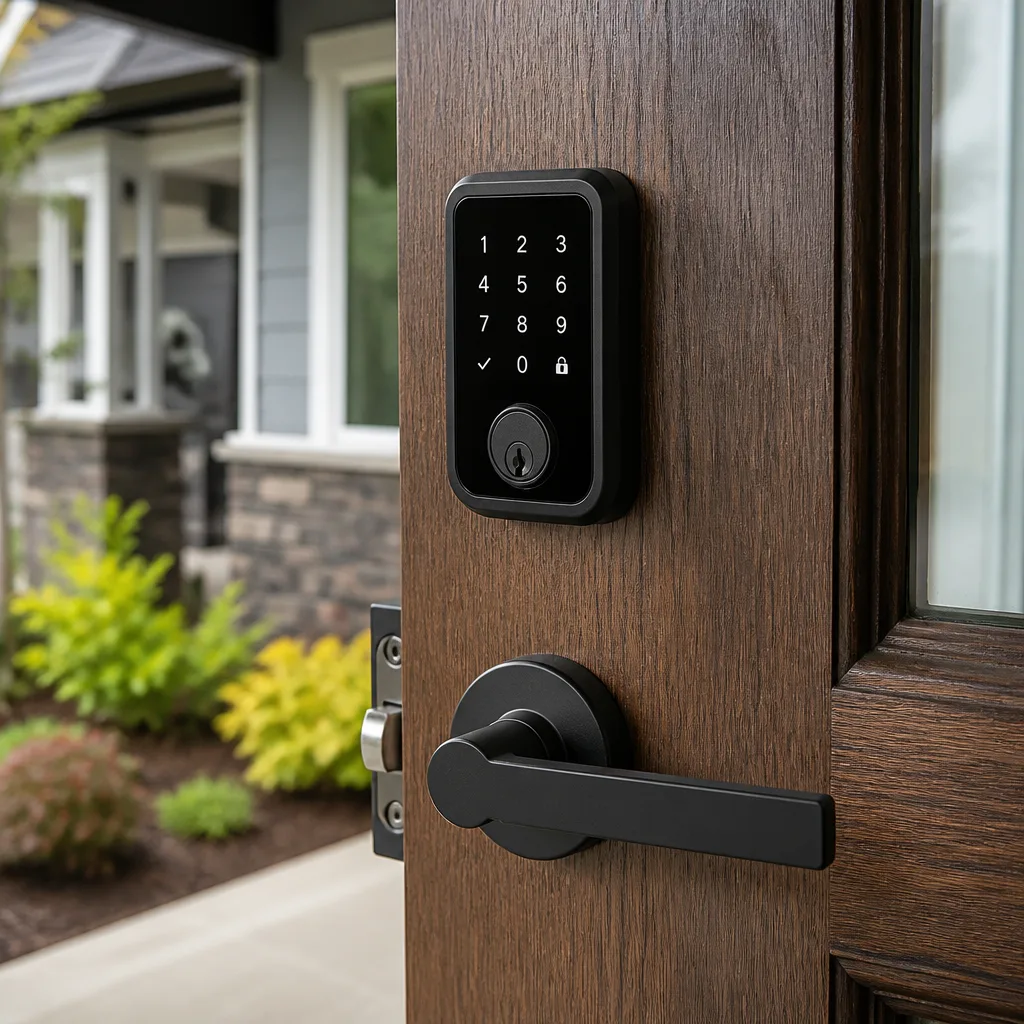 Smart locks
 House lockouts
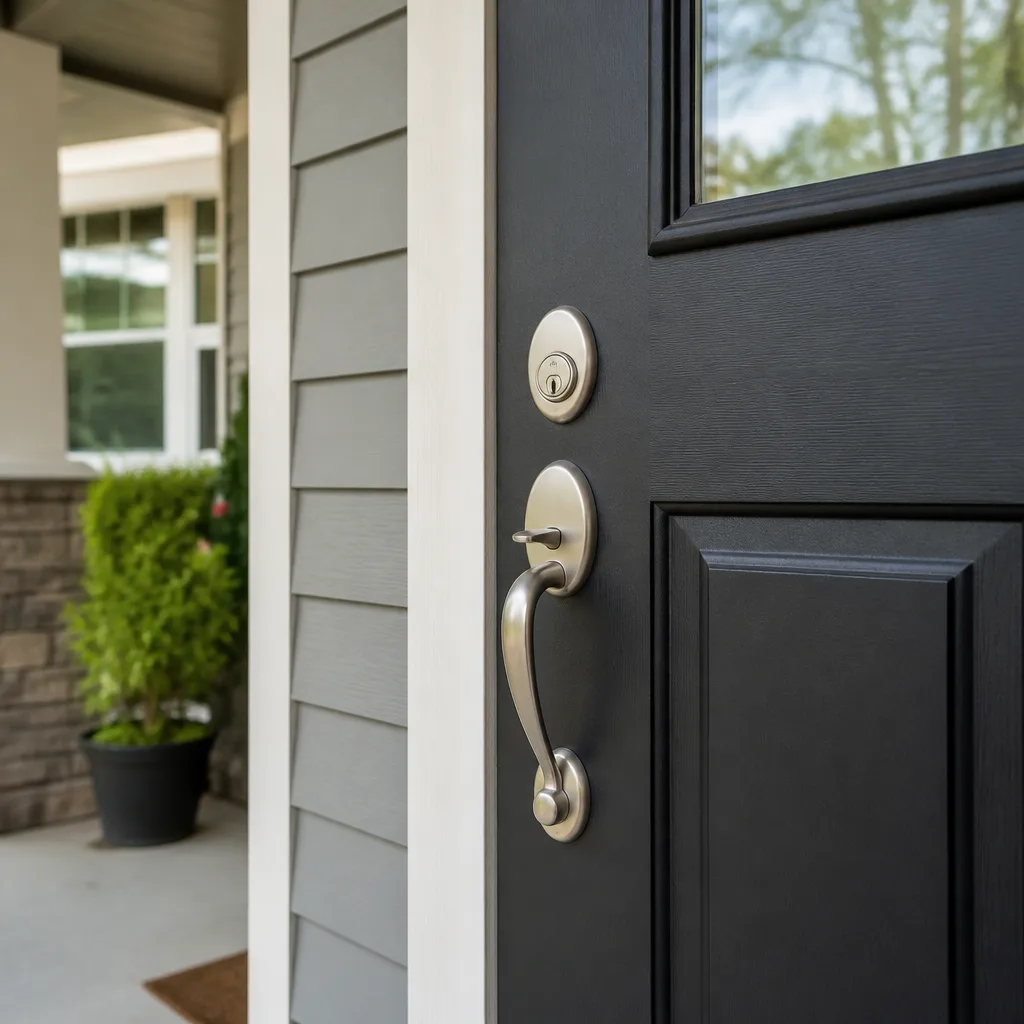
 Re-keying
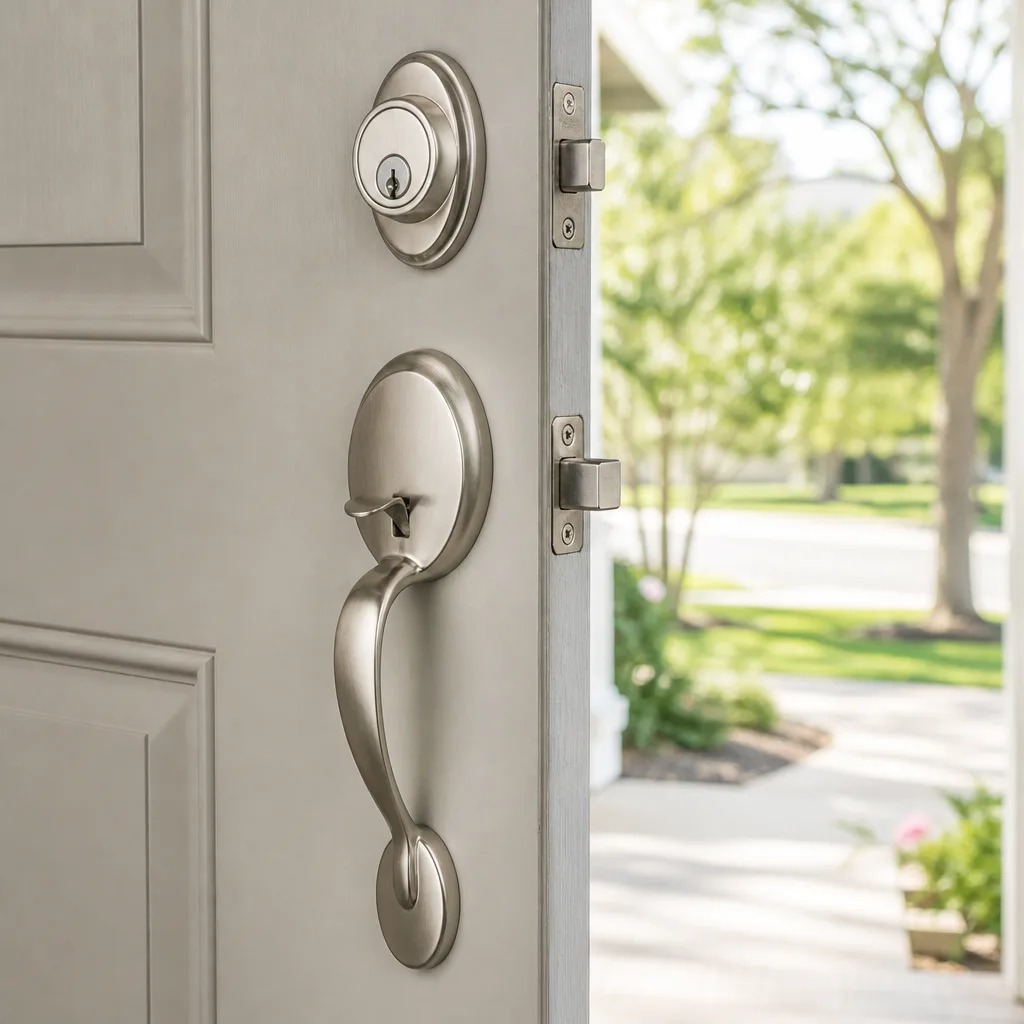
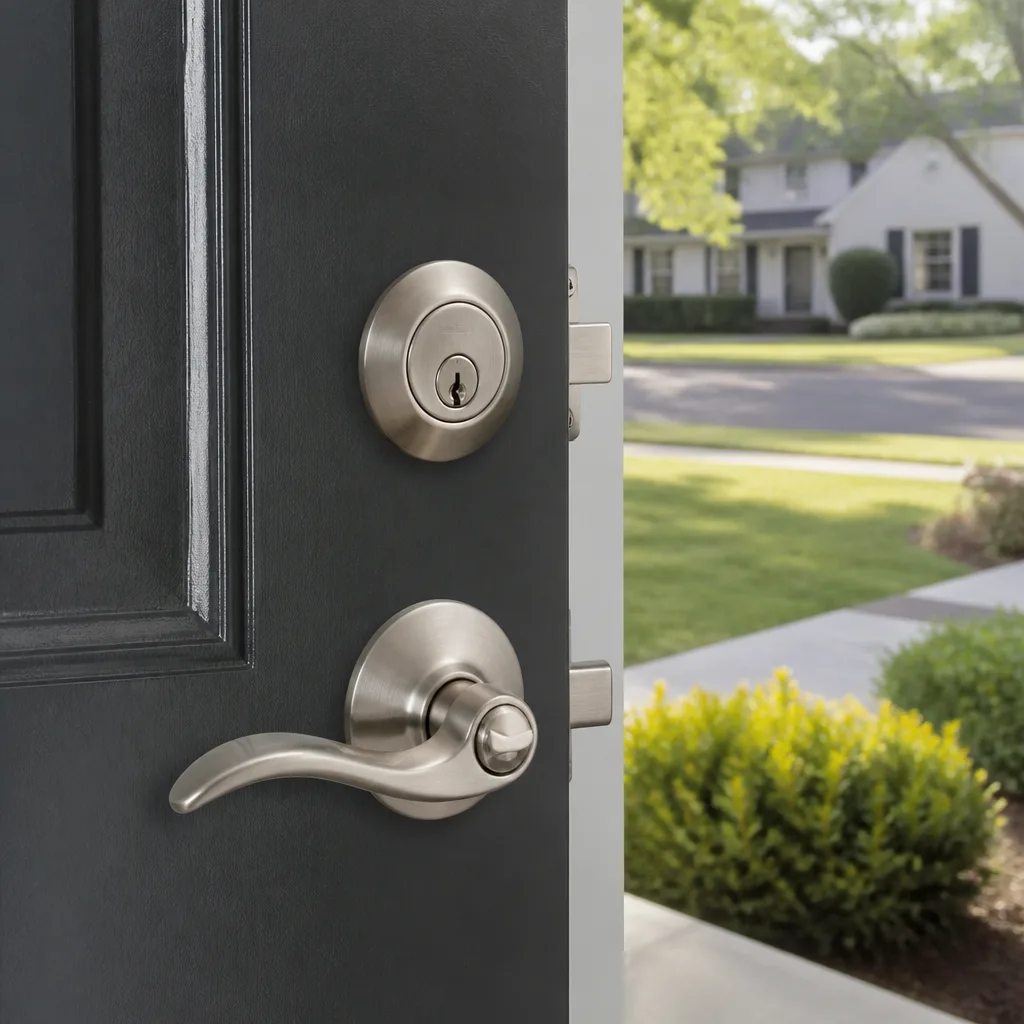 Deadbolt upgrades
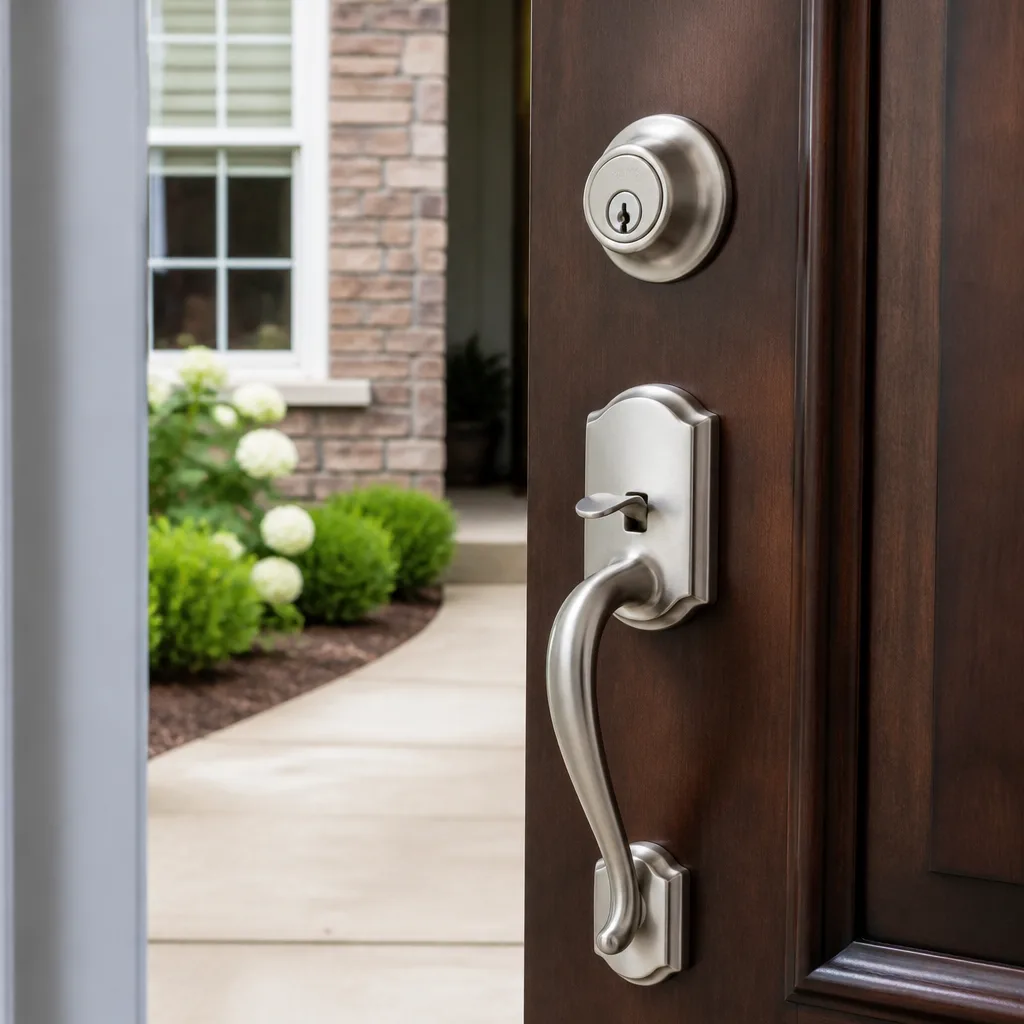 Schlage
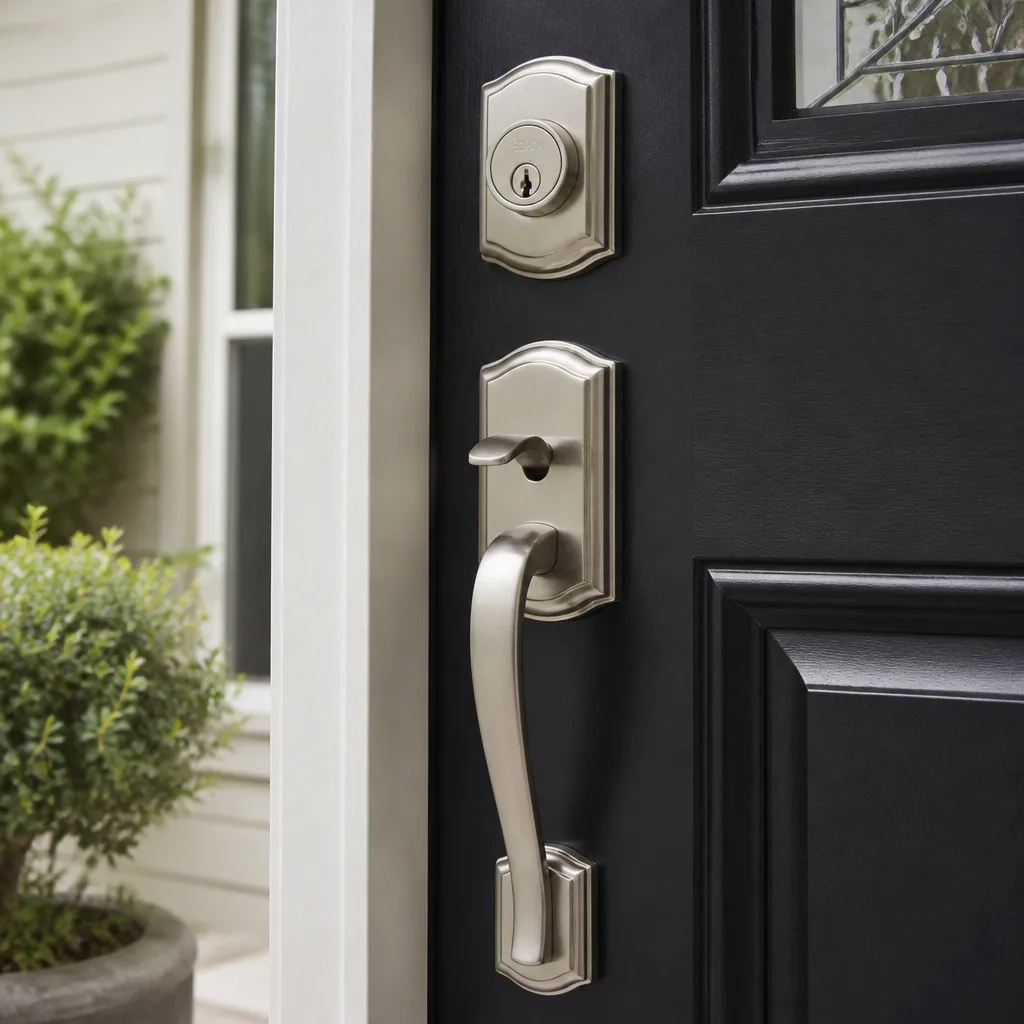 Kwikset
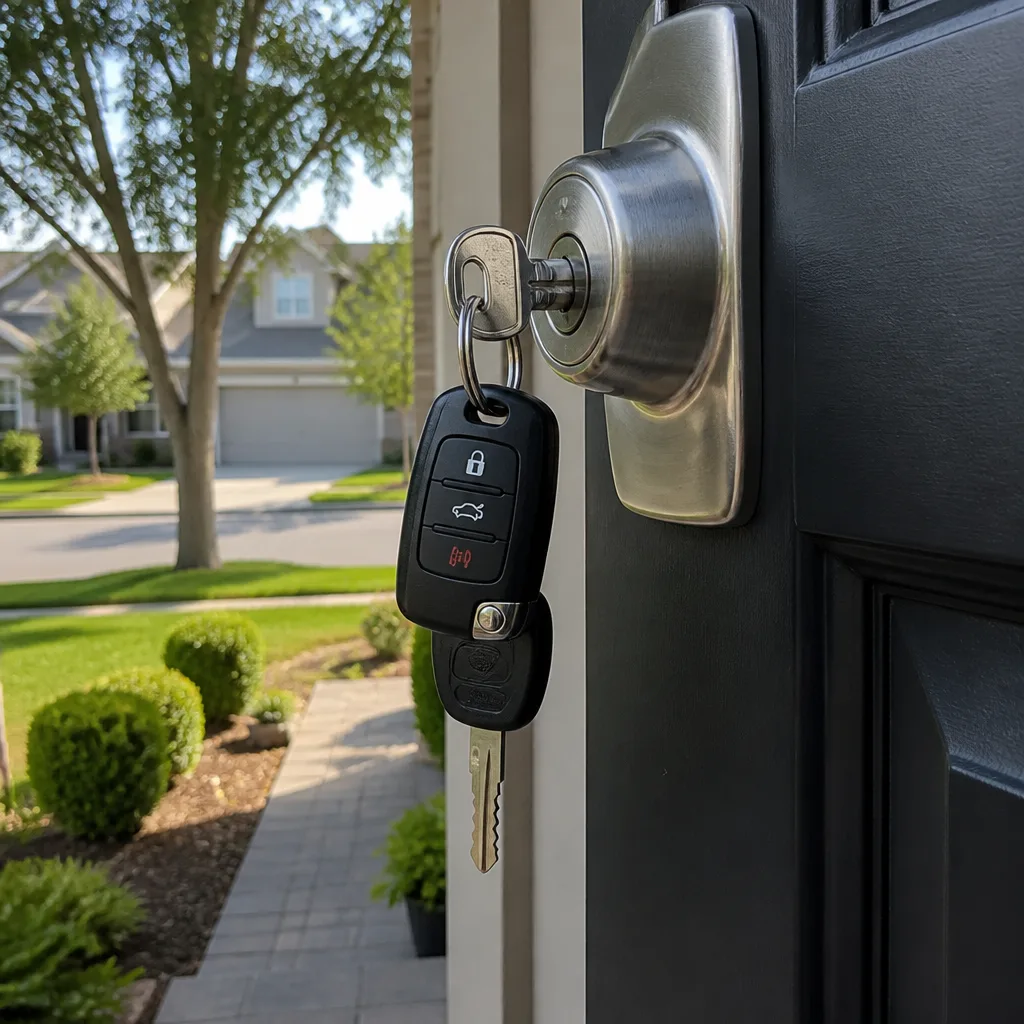 Car keys & fobs
Non-destructive entry first, always - and we re-key Schlage, Kwikset, and Baldwin locks on the spot while you watch
You get a price before we start. It does not change when we arrive. No surprises.
Get your free estimateLocksmith Warning Signs: A Mesa Homeowner’s Reference Guide
Most Mesa homeowners don’t think about their locks until a key snaps off in the cylinder or the front door won’t open at 11 p.m. on a July night. But locks almost never fail without warning. They telegraph their condition through stiffness, wobble, grinding, and a dozen smaller signals that are easy to dismiss as quirks. This guide walks through every meaningful warning sign, what it actually means, and what your response should be, so you can handle lock problems on your schedule in Mesa instead of in the middle of a crisis.
Quick Answer
The clearest signs you need a locksmith in Mesa are a key that resists turning or inserting, a cylinder that spins or wobbles, a deadbolt that doesn’t fully throw, a latch that catches or sticks, and visible damage around the keyway or strike plate. These symptoms indicate a lock that is already in partial failure mode. Addressing them early costs less than an emergency call later, and in many cases a rekey is all you need rather than full replacement.
Styles & brands we work with
Table of Contents
- Mechanical Symptoms of a Failing Lock
- Why Mesa Door Misalignment Mimics Lock Failure
- Security Warning Signs Beyond Mechanics
- Lubricate, Adjust, Rekey, or Replace: How to Choose
- Warning Signs Specific to Electronic and Smart Locks
- Common Mistakes to Avoid
- When to Call a Professional
- Frequently Asked Questions
Mechanical Symptoms of a Failing Lock
A lock that is failing mechanically will tell you, repeatedly, before it quits. The challenge is that the signals build so gradually that many homeowners in Mesa adapt to them without noticing. A key that needed a little jiggle last month now needs a firmer grip and a specific angle. That is not the lock “settling in.” That is a lock losing its mechanical integrity.
Here are the specific physical symptoms we tell homeowners to watch for, and what each one means.
Increased Key Resistance
When a key starts requiring more force to insert or turn, the pins inside the cylinder are not moving the way they should. This can be caused by dirt and grit accumulation, which is common in Mesa where fine dust finds its way into everything, or by wear on the pins themselves. A dry, gritty turn is a lubrication issue. A hard, grinding turn with metal-on-metal resistance suggests worn pins or a key that is itself worn down. Either way, the window for a cheap fix is closing.
Visible Wear on the Keyway
Look at the opening where you insert the key. If the edges look rounded, widened, or scored, the cylinder has been working against itself. This kind of wear develops over years and is accelerated by using a worn key as the “working key” day after day. In Mesa’s dry climate, keys don’t rust, but they do abrade. A keyway that looks chewed up is a cylinder that is nearing the end of its service life.
Cylinder Wobble
Grip the face of the lock cylinder, the round or oval part where the key goes in, and try to wiggle it. It should feel solid. If it rocks, spins, or shifts, the retaining hardware inside the lock body is failing. A cylinder that moves independently of the lock body will eventually bind or jam entirely, and when it does, the key will not turn no matter what you do. This is a fix-now signal, not an observe-and-wait signal.
A Latch That Doesn’t Fully Retract
When you turn the knob or lever, the latch should pull fully back into the door edge. If it only retracts partway, or if you have to pull the door toward you to get the latch to clear the strike plate, the internal mechanism that connects the handle to the latch is worn. In Mesa, this is sometimes a misalignment problem rather than a latch problem, which we cover below. But if the latch is sluggish even with the door wide open, the lock body itself is the issue.
Key Works in One Direction Only
A key that turns smoothly to lock but refuses to unlock, or vice versa, points to an asymmetric wear pattern in the cylinder. One set of pins is engaging correctly while the other is not. This is a classic early failure sign that many people rationalize away by just turning the key harder. Do not turn the key harder. A snapped key inside a cylinder turns a $50 rekey into a $150 extraction job.
We have repaired locks in Mesa homes where the homeowner had been “managing” a stiff deadbolt for two years. The eventual failure was not a surprise to us, but it was to them, because they had normalized the symptom. If you are adapting how you use a lock to keep it working, the lock is already telling you something.
Key takeaways:
- A stiff, gritty, or grinding key turn is never normal. Address it before it becomes a no-turn.
- Cylinder wobble is a structural failure. It will not improve with time.
- A latch that half-retracts is a lock that is already failing, not a door that “just needs a push.”
- Mesa’s dust accelerates internal cylinder wear. Annual cleaning and lubrication extends lock life significantly.
If you are seeing any of these symptoms, a rekey locks in Mesa service may solve the problem before a full replacement becomes necessary, and it costs significantly less.
Why Mesa Door Misalignment Mimics Lock Failure
This is the section most generic locksmith guides skip. Here is what we see in Mesa regularly: a homeowner calls us convinced the deadbolt is broken because it won’t throw. We arrive and find the lock is mechanically fine. The door has shifted, and the bolt is no longer lining up with the hole in the strike plate.
Mesa’s geology and climate make this more common here than in most cities. Two factors are at play.
First, the soil. Much of Mesa sits on expansive clay that swells when it absorbs water and shrinks during dry periods. Monsoon season brings sudden moisture after months of drought, and foundations move. A shift of even an eighth of an inch at the foundation translates to a quarter inch or more at the strike plate, enough to stop a deadbolt from throwing.
Second, the heat. Average summer highs over 100 degrees are not unusual in Mesa, and wood door frames expand, warp, and sometimes twist under sustained heat. A door that fits flush in January may bind at the top corner in August. This is not a lock problem. It is a door geometry problem that presents as a lock problem.
How to Tell the Difference
Here is the test we recommend before you spend money on hardware.
- Open the door fully and operate the lock. With the door standing open, turn the deadbolt and the latch. If both move smoothly and completely, the lock mechanism is healthy. The problem is alignment.
- Push the door closed with normal pressure and try the deadbolt again. If the bolt begins to throw but catches on the edge of the strike plate hole, or if you have to pull the door in to let the bolt line up, you have a strike plate alignment issue.
- Watch the latch as you close the door. If the latch contact point on the strike plate has moved up, down, or sideways, the door has settled. You will see fresh scratches or a worn patch on the strike plate where the latch now hits instead of entering cleanly.
- Try a different time of year. This sounds odd, but in Mesa it matters. If the deadbolt binds in summer and works in winter, heat-warped frame expansion is the culprit. If it binds year-round, you are probably dealing with actual lock wear.
What to Do About Misalignment
The fix depends on the severity. Minor misalignment often resolves by filing the strike plate opening slightly wider or repositioning the strike plate itself. More significant shifts require adjusting the door hinges or re-hanging the door. In both cases, this is a door repair, not a lock repair, and a qualified locksmith can tell you which is which before you spend money on the wrong fix.
We have visited Mesa homes in neighborhoods like Dobson Ranch and Superstition Springs where homeowners had already purchased a new deadbolt from a big-box store, only to discover the new one didn’t throw either. The lock was never the problem. Saving that purchase is exactly why we recommend this diagnostic sequence before any hardware decision.
Security Warning Signs Beyond Mechanics
A lock can be mechanically sound and still be a security problem. Here are the warning signs that have nothing to do with wear and everything to do with who might have access to your Mesa home.
You Never Rekeyed After Moving In
Think about how many people held keys to your home before you did. The previous owner. Their extended family. Their housecleaner, dog walker, contractor, and real estate agent. Real estate transactions create key chains in motion, and most people hand over only a fraction of the copies that exist. Unless your lock was rekeyed after you took ownership, you do not actually know who can open your door.
Rekeying a lock changes the internal pins so old keys no longer work, while keeping the existing hardware. It is faster and cheaper than replacement, and it gives you what every new homeowner in Mesa should have: a known key inventory. We consider this a security prerequisite, not an optional upgrade. Our rekey locks in Mesa service is designed exactly for this scenario.
Knob-Only Entry on Exterior Doors
A doorknob lock with no deadbolt is a request, not a barrier. A standard spring latch can be defeated with a plastic card or a screwdriver in seconds, and the door can be forced with a single solid push. If any exterior door in your Mesa home relies on a knob lock alone, that door is not secured. It is simply closed.
This matters more than many homeowners realize. Burglars look for the fastest entry with the least noise, and a knob-only door is the single fastest entry in residential security. Adding a properly installed deadbolt changes the calculus entirely.
Visible Pick Marks or Forced Entry Damage
Look at your keyway and the area around your lock face. Small scratches, gouges, or tool marks around the cylinder indicate a previous attempt to pick or drill the lock. Forced entry damage around the strike plate or door edge means someone tried to shoulder the door open. These are not cosmetic issues. They are evidence that your home has already been probed, and whatever technique or tool was used may have partially succeeded. A lock that has been attacked once is easier to attack a second time, because the internal components are already weakened.
You Hand Out Keys and Never Get Them Back
Contractors, cleaning services, pet sitters, a neighbor who waters plants. Every key you hand out is a key you should account for. If you have had work done in your Mesa home over the years and never changed the locks afterward, you have given out permanent access to people who may no longer need it or who may not have been careful with the copy they were handed. This is not about suspicion. It is about knowing who has a key to your home, and keeping that list short.
Old or Generic Hardware on a Home You Just Bought
Builder-grade locks from a decade ago are not failing locks, but they are outdated locks. They use standard pin tumblers with no bump resistance and no drill resistance, and they are trivial for a determined intruder to bypass. In Mesa’s competitive housing market, many buyers stretch their budget to purchase and then defer security upgrades. That deferral is the window when a home is most vulnerable, because burglars know new homeowners often haven’t changed the locks yet.
We stock and service hardware across the full spectrum, from consumer lines like Kwikset and Schlage to premium residential brands like Baldwin and Yale, and we can recommend the right security level for your actual situation without upselling you into hardware you don’t need.
Lubricate, Adjust, Rekey, or Replace: How to Choose
Here is the decision framework we use when assessing a lock problem in a Mesa home. Each response has a different cost profile, and choosing correctly can save you hundreds.
The Four Responses, Ranked by Cost
- Lubricate: $5 to $15 for a can of dry lubricant. Appropriate when the lock is stiff or gritty but the key and cylinder are otherwise healthy. Use a dry graphite or PTFE spray, never WD-40 or household oil, which attract Mesa’s fine dust and create a paste inside the cylinder.
- Adjust: $75 to $200 depending on severity. Appropriate when the lock mechanism works but the door, strike plate, or frame has shifted. Includes filing the strike opening, repositioning the plate, or tightening and shimming hinges.
- Rekey: $50 to $150 per lock including labor. Appropriate when the lock is mechanically sound but you need to invalidate old keys, whether because you moved in, lost a key, or want multiple locks to work from a single key. No new hardware required.
- Replace: $150 to $400 per lock including hardware and labor. Appropriate when the cylinder is worn out, the internal mechanism has failed, or you are upgrading to higher-security hardware like a Mul-T-Lock or Baldwin with bump-resistant cylinders.
One of the most common questions we get in Mesa is whether a struggling lock should be rekeyed or replaced. Rekeying does not repair mechanical wear. It only changes the keying. If your lock is stiff, grinding, or wobbling, a rekey will not fix it, and you would be paying to put new pins into a worn-out body. Conversely, if your lock works perfectly but you just moved in, rekeying is almost always the right call, because it gives you a fresh key inventory at a fraction of replacement cost.
The honest rule: fix the mechanism first, then manage the keys. Our Parkway Lock & Key home page covers the full range of what we do, but the short version is that we will tell you which response your situation actually needs. We would rather do a $75 adjustment than sell a $300 lock you did not need, because the honest recommendation is what builds a local business.
Decision sequence for a struggling lock:
- Test with the door open. Smooth operation means alignment. Rough operation means the lock body.
- If alignment, adjust before replacing. Most strike plate issues in Mesa homes resolve with a repositioned plate and longer screws.
- If the lock body is rough, try a proper dry lubricant. Give it 48 hours. If the roughness returns, the internal wear is permanent.
- If the mechanism is damaged or worn, replace the hardware. At this point, rekeying will not help.
- If the mechanism works and you just need new keys, rekey. This is the lowest-cost path to a clean security baseline.
Warning Signs Specific to Electronic and Smart Locks
Electronic locks fail differently than mechanical locks, and Mesa’s climate adds a layer of behavior that generic online guides don’t account for. Here are the warning signs we see most often on smart locks in the Valley.
Delayed Response to Code Entry
When you enter a code and the lock takes a beat before responding, or requires a second attempt, the issue is usually the keypad or the internal controller, not the deadbolt. This is an early failure sign in smart locks. The microcontroller that processes inputs degrades over time, and in Mesa, sustained heat exposure accelerates electronic component aging. A lock that hesitated once is worth watching. A lock that hesitates consistently needs attention before it stops responding entirely.
Erratic Behavior in Heat
This one is specific to our climate. High-end smart locks are typically rated to operate up to about 120 to 130 degrees Fahrenheit. A lock mounted on a west-facing door in Mesa can exceed that surface temperature on a summer afternoon, even when the air temperature is lower. When a smart lock is heat-stressed, it may refuse inputs, behave unpredictably, or drain its battery at an accelerated rate. If your smart lock works fine in the morning and acts up in the late afternoon, heat is a likely factor. Shade the lock, or choose hardware rated for the temperature it will actually face.
Low Battery Symptoms You Should Not Ignore
Most smart locks give a low battery warning, either a red light, a chime, or a phone notification. But here is the pattern we caution Mesa homeowners about: batteries in our summer heat deplete faster than the manufacturer’s stated life. A lock rated for eight months of battery life may die in four on a hot exterior door. When the lock starts responding slowly, beeping unexpectedly, or requiring multiple attempts to register a code, do not assume malfunction. Replace the batteries first, then reevaluate. The failure mode for a dead smart lock is a locked door you cannot open without a physical key, and many homeowners in Mesa discover they have no idea where that physical key is.
Keypad Wear Equals Code Exposure
Look at the keypad. If the buttons you press most often are visibly worn, glossy, or faded, the numbers in your entry code are visible to anyone paying attention. This is a physical security vulnerability that smart lock owners rarely think about. A worn keypad on a Mesa front door tells a patient observer exactly which digits to try. If your keypad shows obvious wear on a specific combination of buttons, change your code now, and consider whether the keypad itself is near replacement.
We handle smart lock installation and troubleshooting across Mesa for brands including Schlage and Yale. If your electronic lock is acting up, the fix is often simpler and cheaper than replacing the unit, but diagnosing it correctly is what matters.
Common Mistakes to Avoid
- Lubricating a lock with WD-40 or household oil. These products attract Mesa’s fine dust and eventually gum up the cylinder into a sticky paste. Use only dry graphite or PTFE-based lubricants designed specifically for locks.
- Assuming a new door lock fixes a misaligned door. If the strike plate has shifted, a brand new deadbolt will bind exactly like the old one did. Diagnose before you buy.
- Keeping the same locks after buying a Mesa home. You have no idea how many key copies are in circulation from prior owners, agents, contractors, and friends. Rekeying after move-in should be a standard part of every Mesa home purchase.
- Ignoring a key that only works in one direction. Asymmetric wear is a genuine failure signal. Continuing to force the key risks snapping it inside the cylinder, which turns a simple fix into an emergency extraction.
- Relying on knob-only entry for exterior doors. A knob lock is not a security device on an exterior door. Every outside door in Mesa should have a deadbolt, and it should be used every time you leave.
- Not having a physical key for your smart lock. Every electronic lock has a mechanical key override. If you don’t know where your physical key is, find out before the battery dies.
- Delaying a lock repair because the door “sometimes” works. Locks do not self-heal. A symptom you are managing is a failure that is already underway. Every day you defer is a day closer to an emergency call at the worst possible time.
When to Call a Professional
Some lock issues are solvable with a can of lubricant and a screwdriver. Most are not, and knowing which is which saves you money in both directions. Call a professional when the key resists insertion or turning even after lubrication, when the cylinder wobbles or spins, when the deadbolt will not throw even with the door open, when you see tool marks or forced entry damage, or when you have moved into a home and never rekeyed the locks. Do not wait for the emergency. A scheduled repair during normal hours costs a fraction of a lockout call at midnight. Emergency locksmith in Mesa services exist for true emergencies, but the better outcome for everyone is addressing the warning signs before they become one. Parkway Lock & Key offers free estimates in Mesa. Call (877) 824-1139 and we will assess the problem honestly, whether that means a repair, a rekey, or full replacement.
Frequently Asked Questions
The first sign is usually increased resistance when inserting or turning the key, followed by cylinder wobble, a latch that doesn’t fully retract, or a deadbolt that only throws with extra effort. Any of these means the lock is already wearing internally. Addressing it early with a professional assessment typically costs far less than an emergency repair after the lock fails completely.
Service pricing varies depending on the work needed, but a diagnostic visit and minor adjustment typically runs lower than full hardware replacement. Lubrication and minor strike plate adjustment sit at the low end, while rekeying and full lock replacement cost more. We always quote the full price on the phone before anyone is dispatched, so you know exactly what you are paying before we arrive. Call (877) 824-1139 for a free estimate.
Yes. Door misalignment is one of the most common issues we fix in Mesa, and it often requires no new hardware at all. A shifted strike plate, a hinge that needs shimming, or a strike opening that needs filing usually resolves the problem. We diagnose the actual cause before recommending any purchase, and we will tell you honestly if your existing lock is fine.
Rekeying is usually the right choice if the existing locks are mechanically sound, because it invalidates all old keys at a fraction of replacement cost. Replacement makes sense only if the hardware is worn, damaged, or you want to upgrade to a higher security level. For most new Mesa homeowners, rekeying every exterior door is the practical first step. Our rekey locks in Mesa service handles this in a single visit.
First, replace the batteries. Mesa’s summer heat drains smart lock batteries faster than manufacturer ratings suggest, and what looks like a malfunction is often just a depleted battery. If fresh batteries don’t resolve it, the issue may be heat-related component stress, particularly on west-facing doors. A locksmith can assess whether your lock is right for its mounting location or whether a different hardware model would hold up better.
Yes. Our car key replacement in Mesa service handles vehicle keys and fobs, which means you can address both your home locks and your car key situation with one call instead of two different appointments. This is a practical advantage for Mesa homeowners who have lost a key or need a spare for a second driver.
The Bottom Line
Locks warn you before they fail. The stiff turn, the wobbly cylinder, the latch that half-retracts, the key that needs a jiggle, the deadbolt that only throws when you pull the door just so, these are not personality traits of an old lock. They are failure signals, and each one you ignore moves you closer to a lock that fails at the worst possible moment. In Mesa, where heat, dust, and settling soil accelerate lock and door problems, paying attention to these signs is not paranoia. It is practical homeownership. Lubricate what is dry, adjust what has shifted, rekey what needs new keys, and replace what is genuinely worn. If you are not sure which response your lock needs, call (877) 824-1139. We will tell you honestly, and we will quote you the full price before we send anyone out.
Written by the team at Parkway Lock & Key, serving Mesa since 2014.