
Last updated October 30, 2026
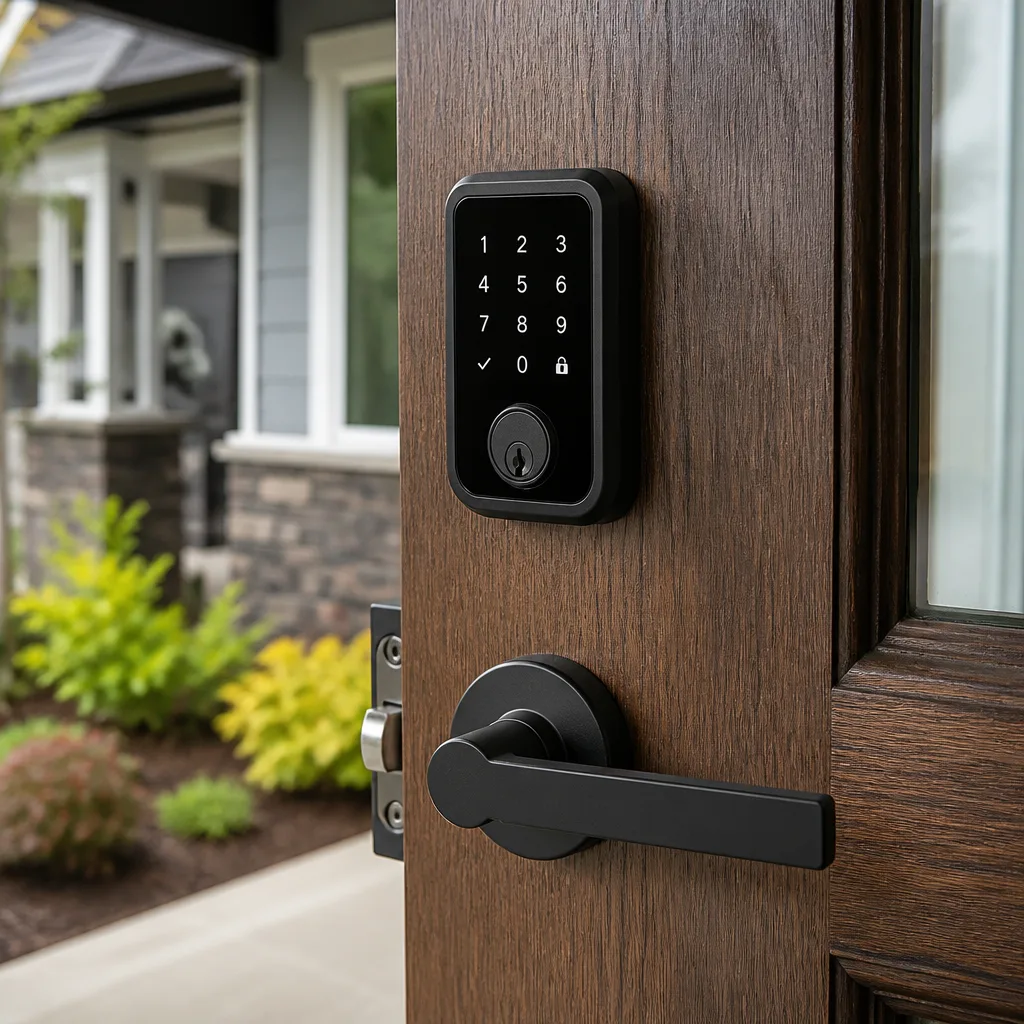 Smart locks
 House lockouts
 Re-keying
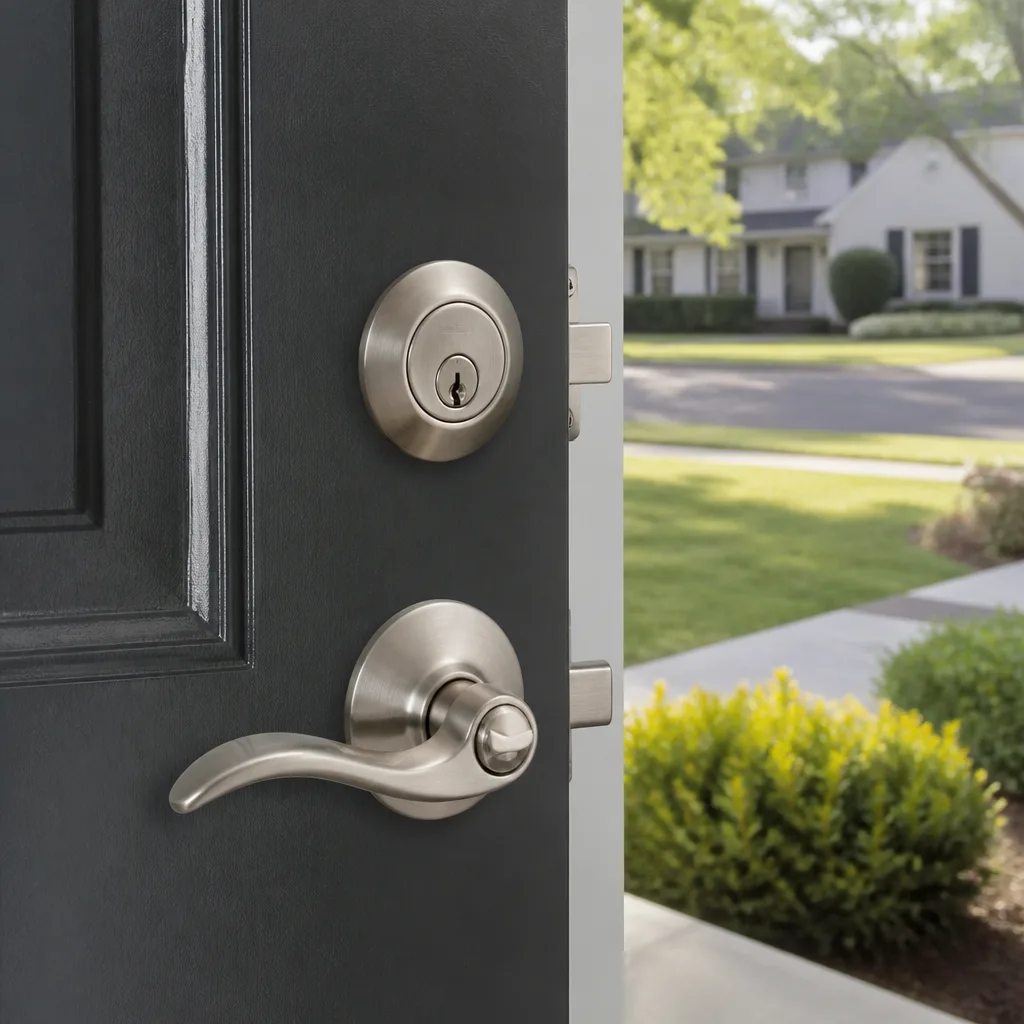 Deadbolt upgrades
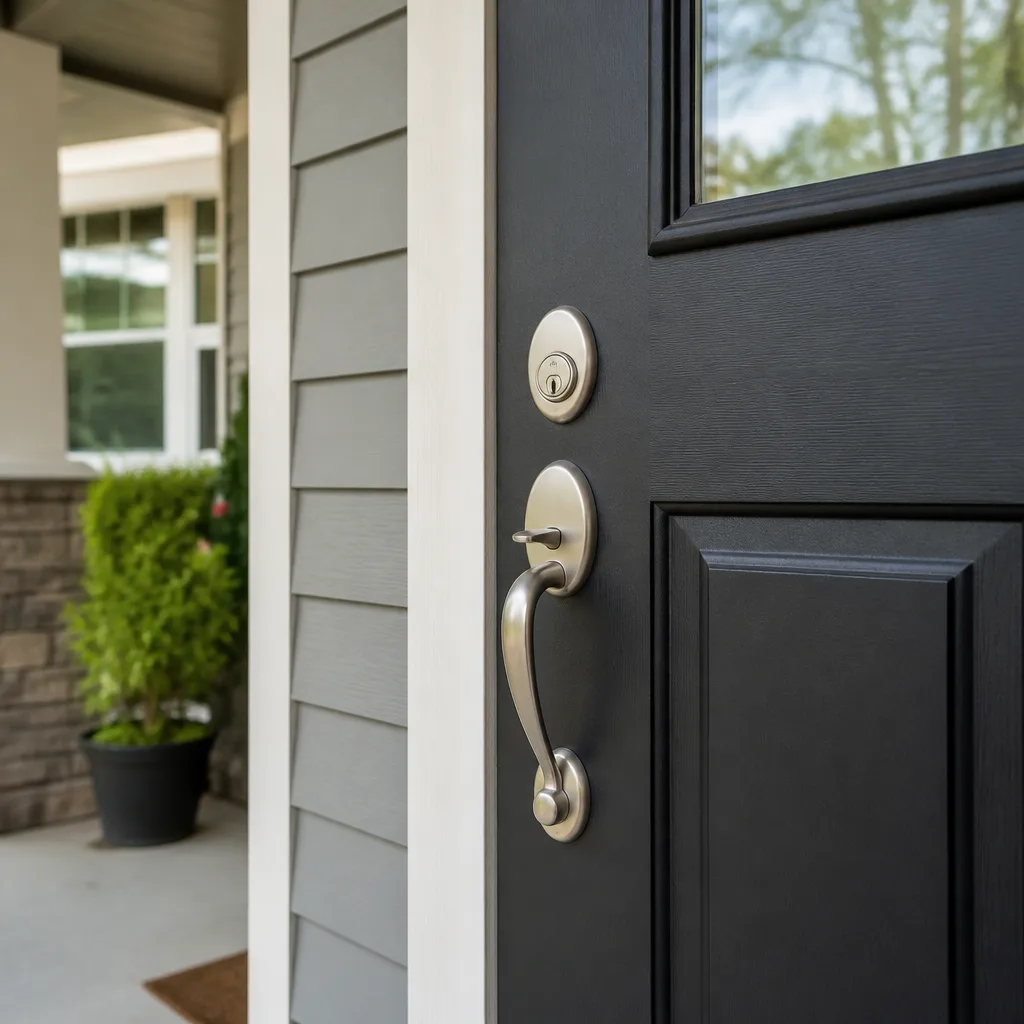
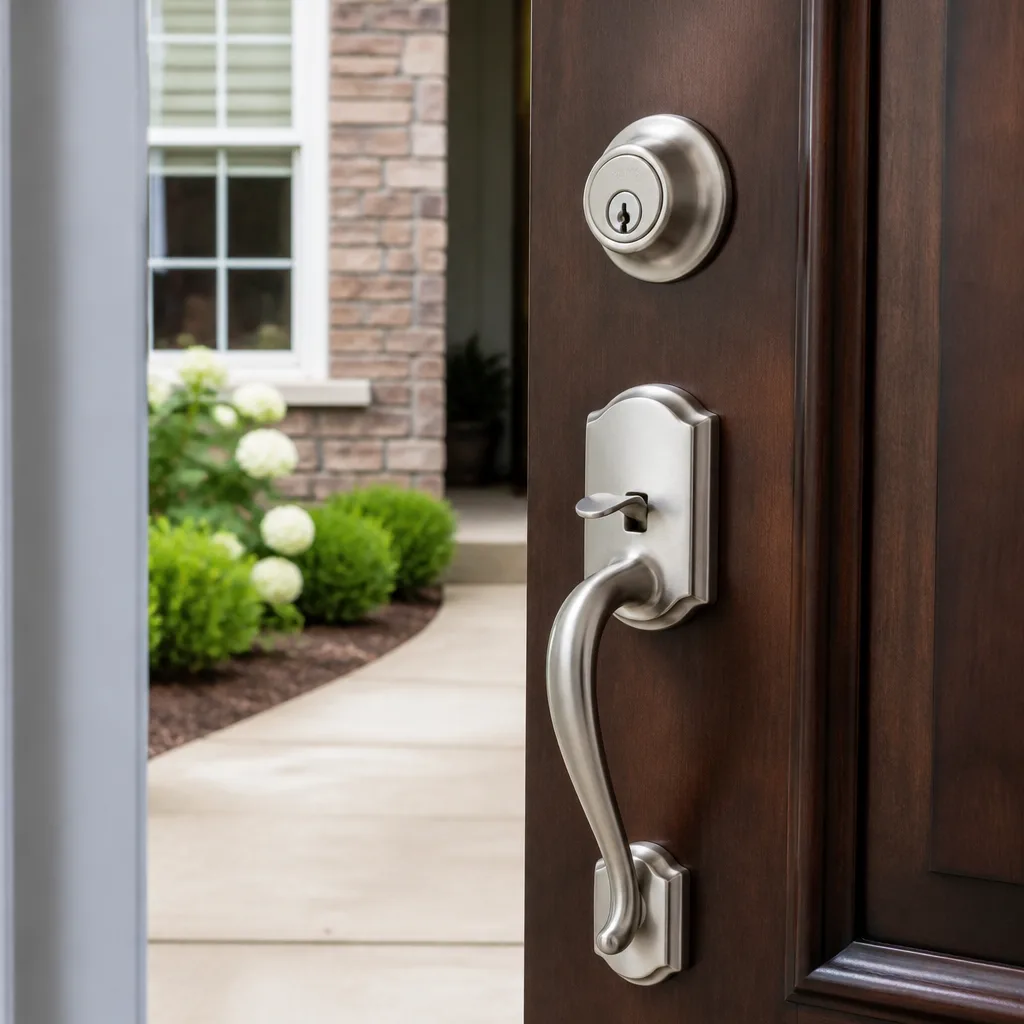 Schlage
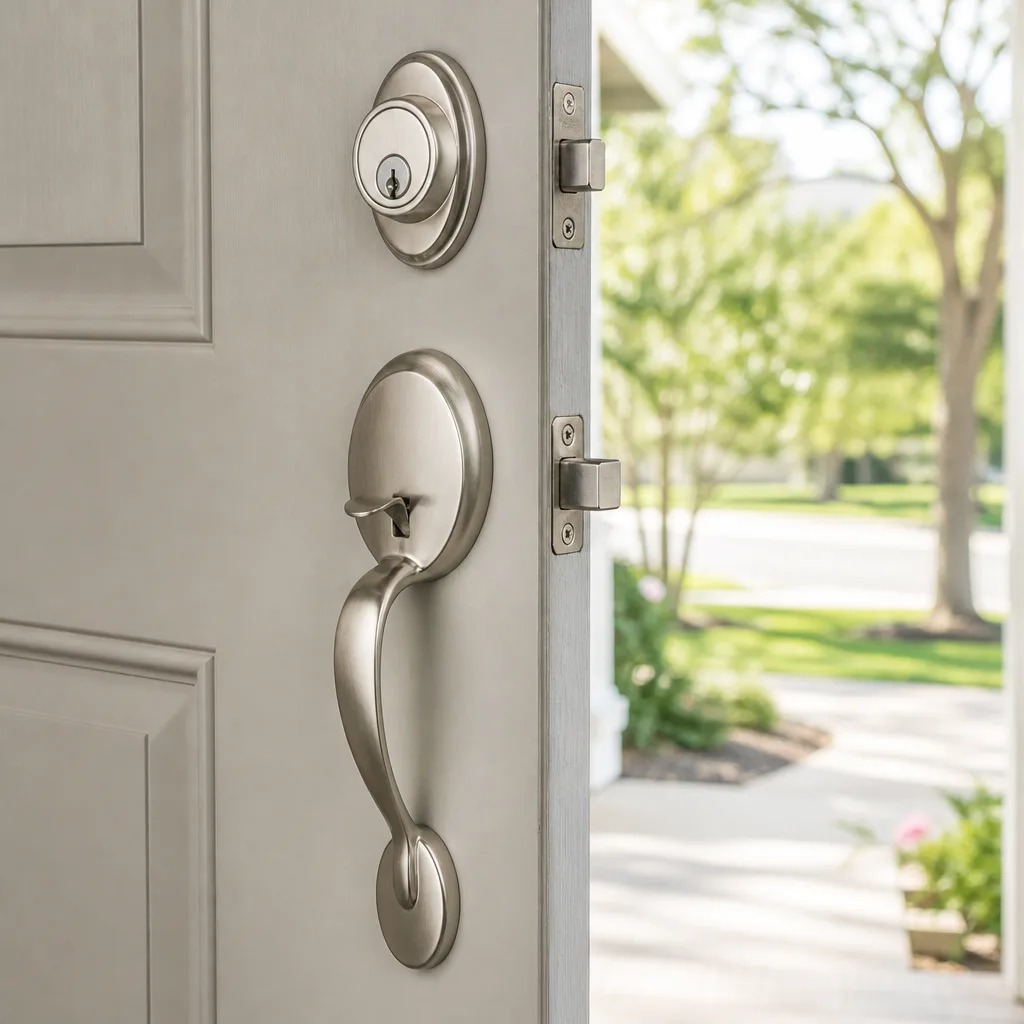
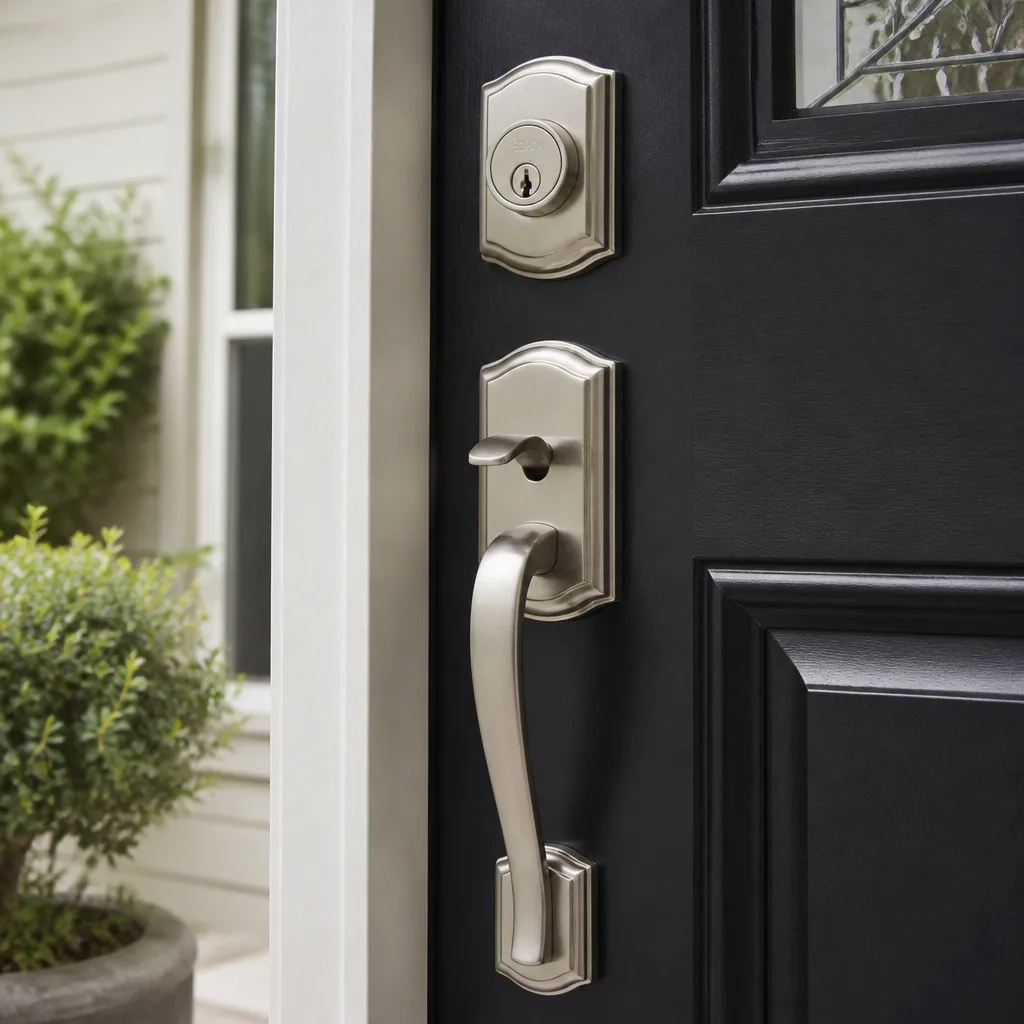 Kwikset
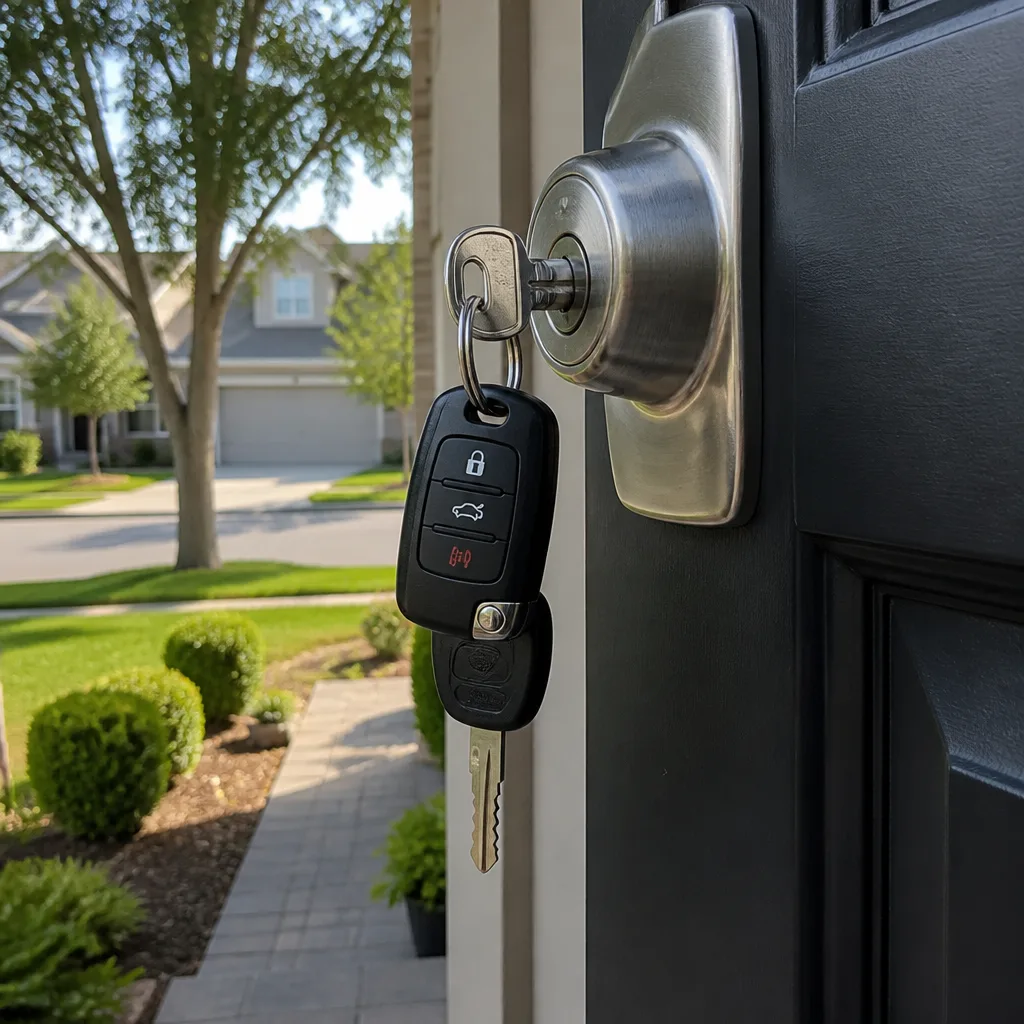 Car keys & fobs
Non-destructive entry first, always - and we re-key Schlage, Kwikset, and Baldwin locks on the spot while you watch
You get a price before we start. It does not change when we arrive. No surprises.
Get your free estimateThe Complete Guide to Locksmith in Mesa
The average homeowner contacts a locksmith only twice in their entire life. Yet those two calls, often made in a hurry, end up shaping that home’s security for years afterward. A rushed decision at the door turns into a lock that’s wrong for the door slab, a keyway that can’t be upgraded later, or a rekey that should have been a full cylinder replacement. This guide exists to make sure your next call, whether it’s the first or the fifth, is an informed one. We’re going to walk through the full landscape of locksmith work in Mesa, from the five-minute rekey to the high-security systems most people assume are only for commercial buildings. By the end, you’ll know exactly what to ask for, what to skip, and when to pick up the phone—or browse our more guides & resources for deeper reading.
Quick Answer
A locksmith in Mesa handles far more than lockouts. The core services include car key replacement, emergency residential and commercial lockout response, rekeying existing locks, and installing or upgrading hardware from basic deadbolts to high-security cylinders like Medeco or Mul-T-Lock. Most Mesa homeowners get the most value from a single comprehensive visit that combines rekeying, a hardware condition check, and a security audit rather than separate calls for each issue.
Styles & brands we work with
Table of Contents
- What a Locksmith in Mesa Actually Does
- Rekeying vs. Replacing: The Decision Most People Get Wrong
- Mesa-Specific Factors That Change Your Lock Choices
- Car Key Replacement in Mesa: What Changed in the Last Decade
- High-Security Upgrades: When Medeco or Mul-T-Lock Makes Sense
- The Locksmith vs. The Hardware Store vs. The Security Consultant
- How to Use One Locksmith Visit to Audit Your Entire Property
- Common Mistakes to Avoid
- When to Call a Professional
- Frequently Asked Questions
What a Locksmith in Mesa Actually Does
Strip away the mystery and the work breaks into four buckets. A locksmith cuts and programs keys. A locksmith opens locked doors without damaging the frame or cylinder. A locksmith rekeys existing hardware so old keys stop working. And a locksmith installs, repairs, or upgrades lock hardware itself. Every service you’ll ever see advertised, from “24-hour lockout” to “high-security master key systems,” is some combination of those four tasks.
What separates a competent Mesa locksmith from a key-cutter at a big box store is depth. A hardware store employee can duplicate a Kwikset key from a blank. They cannot diagnose why a Schlage deadbolt throws hard in the summer, cut a Medeco key with its angled cuts and restricted keyway, or program a transponder key for a 2018 Toyota. Those require training, specialized equipment, and hands-on time with specific lock platforms.
Here’s what a full-spectrum locksmith actually covers:
- Residential: Rekeying after move-in, deadbolt installation, smart lock setup, patio door locks, mailbox locks, garage door locks, and lock repair.
- Automotive: Car key replacement, transponder programming, key fob replacement, ignition repair, and emergency vehicle lockout.
- Commercial: Master key systems, high-security cylinder installation, access control hardware, panic bars, and door closer repair.
- High-security: Restricted keyways like Medeco and Mul-T-Lock, where key blanks cannot be duplicated at a hardware store without your authorization card.
In our experience across Mesa, the most underused service is rekeying. People assume a new house needs new locks. Often the existing hardware is well-built and the only problem is that someone else has a key. Rekeying solves that in fifteen minutes per lock for a fraction of replacement cost. We’ll return to this.
Rekeying vs. Replacing: The Decision Most People Get Wrong
Here’s the direct answer. Rekeying means changing the internal pins and springs inside an existing lock cylinder so it works with a new key. Replacing means removing the entire lock body and installing new hardware. Rekeying makes sense when the hardware is in good working condition and you simply want to invalidate old keys. Replacement makes sense when the hardware is worn, damaged, aesthetically outdated, or you want to upgrade to a better security grade.
The cost difference is significant. Rekeying typically runs a fraction of what new hardware costs, especially once you factor in labor. But there’s a rule we’ve learned from hundreds of Mesa homes: rekeying cheap locks is often a false economy. If a previous owner installed $12 Kwikset entry knobs, rekeying them just means you now have $12 knobs that only you can open. They’re still easy to bump, still easy to drill, and still wear out fast in Mesa’s dust and heat.
Here’s how we tell customers to think about it:
- Inspect the hardware first. Is the deadbolt solid? Does the latch fully extend? Is there play in the knob or cylinder? If the answer is yes to all three, rekeying is usually the right call.
- Identify the brand. Kwikset and Schlage are rekeyable by any trained locksmith and most accept standard keyways. Baldwin and Yale are also rekeyable but often use brand-specific cylinders. If you’re unsure, a locksmith can tell you in seconds.
- Consider the security grade. Residential locks have ANSI grades: Grade 1 is commercial-strength, Grade 2 is heavy residential, Grade 3 is basic. A Grade 3 lock that’s been rekeyed is still Grade 3.
- Match the keyway. If you want one key to operate all exterior doors, the locks need to share a compatible keyway. Sometimes replacement is the only way to achieve that.
Rekeying is often the smarter move. We will tell you honestly which option fits your situation. Visit our rekeying service page for Mesa homeowners if you want the detailed breakdown of what a rekey involves and when it’s enough on its own.
Mesa-Specific Factors That Change Your Lock Choices
Mesa is not Phoenix. It has its own housing stock, its own rental patterns, and its own combination of HOA-governed neighborhoods and older standalone homes. Those local realities directly affect what lock work you’ll need and when.
First, the growth. Mesa has added tens of thousands of housing units in the past two decades, much of it in master-planned communities across the East Valley. A large share of those homes are built with contractor-grade Schlage or Kwikset hardware. That hardware is fine, but it’s often keyed alike within a tract or uses common keyways that have seen heavy duplication traffic. A rekey on day one of ownership is the cheapest security upgrade you’ll ever make.
Second, the rental turnover. Mesa has one of the higher rental participation rates in Maricopa County, driven in part by ASU proximity and seasonal residents. That means locks see more key duplication, more lost keys, and more wear. If you purchase a former rental property, treat the locks as compromised. Not because the previous tenant is a threat, but because you cannot know how many copies of that key existed or who holds them.
Third, the dust. It’s a factor few people think about until a lock starts sticking. Fine desert dust works its way into cylinders and latch mechanisms. Locks that never gave trouble in other climates can throw hard here. Graphite treatments help, but the better fix is regular cleaning and, when a lock reaches end of life, replacement with hardware rated for dusty environments.
Fourth, the HOA question. Many Mesa communities have architectural guidelines that govern exterior door hardware. Some HOAs require specific finishes. Others require approval before changing lock style, though not for rekeying, which is invisible. If you’re in an HOA-governed community, check whether a lock style change needs prior sign-off. Rekeying almost never does, since the hardware doesn’t change. If you’re a renter in Mesa, you’ll need your landlord or property manager’s written authorization before any lock work is done on the unit. Either way, the rule is simple: homeowners can rekey anytime, renters need permission, and HOA restrictions apply to visible hardware changes only.
Car Key Replacement in Mesa: What Changed in the Last Decade
Ten or fifteen years ago, a lost car key meant a trip to the dealership and a wait of several days. You’d pay whatever they asked because there was no real alternative. That changed when locksmiths invested in the programming tools and key blank inventory needed to cut and program automotive keys in the field. Today, a qualified automotive locksmith in Mesa can cut a new transponder key, program it to your vehicle, and have you driving in a single visit.
The key distinction is the transponder. Modern keys contain a small chip that must be paired with the car’s immobilizer system before the engine will start. The mechanical cut gets you into the car. The programming gets you driving. Both pieces are required, and the programming is where dealership lead times and pricing have historically hurt. It’s also where independent automotive locksmiths compete well.
Here’s what to understand before you call:
- Key type matters. A basic transponder key costs less to replace than a keyless entry fob or a proximity key (push-to-start). Have your vehicle’s year, make, and model ready when you call so the locksmith can confirm coverage.
- Programming can usually be done on site. Most vehicles from the last 15 years can be programmed in the driveway or parking lot with the right equipment. A few newer models still require dealer-level tools, and a good locksmith will tell you that up front.
- Bring proof of ownership. Reputable locksmiths in Mesa will ask for registration or a title before cutting and programming a new key. This is the industry standard and a sign you’re dealing with a legitimate operation.
- You don’t need an appointment. For most car key replacements, if the locksmith has your key blank in stock and the programming tool supports your vehicle, the whole job takes under an hour.
We offer car key replacement in Mesa as a direct alternative to dealership visits, with mobile service that comes to you. If your car key needs replacement, get the exact details on our dedicated page, including what to have ready before you call.
High-Security Upgrades: When Medeco or Mul-T-Lock Makes Sense
For a long time, high-security cylinders sat in two places: bank buildings and government offices. The cost was high, the installation was specialized, and the residential market had no reason to participate. That has shifted. Modern high-security platforms from Medeco, Mul-T-Lock, and Abloy are now available at price points that make sense for certain homes and small businesses, not just corporate campuses.
The defining feature of these systems is key control. A Medeco key cannot be duplicated at a hardware store or a kiosk. The blanks are restricted. To get a copy made, you present a card or code to an authorized locksmith, and they cut the key to the restricted blank. That means no one can walk into a big box store, copy your house key while you’re at work, and let themselves in. For a single-family home, that’s a meaningful upgrade. For a small business or a Mesa property with many doors and many keyholders, it’s close to essential.
Here’s when high-security cylinders make actual sense, and when they’re overkill:
- You’ve had a break-in or an attempted break-in. Common low-grade cylinders can be bumped or drilled. A high-security cylinder resists both attacks far better.
- You run a small business through your home. If you have inventory, tools, or client records on site, restricted keyways protect against casual key duplication.
- You manage a property with multiple keyholders. Contractors, cleaners, pet sitters. If many people have had keys, high-security key control gives you certainty about who can make copies.
- You want master key capability. Mul-T-Lock and Medeco systems support master keying elegantly, where one key opens multiple doors but individual keys open only assigned doors.
For most Mesa homeowners, a good Grade 1 or Grade 2 deadbolt from Schlage or Kwikset is sufficient. But if the circumstances above apply, the upgrade is no longer out of reach. The right lock for your actual security level, not just whatever is easiest.
The Locksmith vs. The Hardware Store vs. The Security Consultant
These are three different roles, and using the wrong one costs you time or money. Understanding the division is the cleanest way to know who to call.
The hardware store sells products. The key-cutting machine in the corner is operated by an associate, not a trained locksmith. They can duplicate a standard Kwikset key and sell you a deadbolt in a box. They cannot rekey a lock unless you buy a rekey kit and do it yourself. They cannot diagnose why a lock binds. They cannot program a transponder key. For simple hardware purchases, they’re fine. For installed security work, they’re the wrong tool.
The locksmith installs, repairs, and services locks. They cut keys, rekey cylinders, open locked doors, program automotive keys, and install hardware correctly. A full-spectrum locksmith in Mesa works across residential, automotive, and commercial contexts. They carry the right tools, key blanks, and pin kits to do the job on site.
The security consultant designs systems. They assess buildings, recommend hardware platforms, draw up master key matrices, and specify access control. They usually don’t cut keys or open locked cars. If you’re a property manager with a 40-unit building and need key control across staff, vendors, and tenants, a consultant’s design input can help. But for execution, it’s still the locksmith who does the work.
For most Mesa residents and small business owners, the practical answer is a full-spectrum locksmith who can handle both the strategic question (“What should I actually install here?”) and the tactical work (“Cut this key, program this fob, rekey this deadbolt”). That’s the gap we focus on.
How to Use One Locksmith Visit to Audit Your Entire Property
Piecemeal calls are expensive. You pay a trip fee each time, and you never get a full picture of what’s vulnerable. A better approach is to schedule one comprehensive visit and use it to address every lock-related issue at once. Here’s how to run that visit effectively.
- List every door and lock. Front door, back door, garage door, side gate, patio slider, mailbox, shed. Write it down before the locksmith arrives. If it has a key or a latch, it goes on the list.
- Test each lock yourself first. Does it throw smoothly? Does the latch fully seat? Is there wiggle in the knob? Your answers will tell the locksmith where to focus.
- Ask about rekeying all exterior doors to a single key. Most homes in Mesa can be rekeyed so one key operates every exterior lock, assuming compatible hardware. If some locks are incompatible, this is the moment to replace them so they align.
- Request a hardware condition report. A good locksmith will tell you which locks are worth keeping, which need lubrication, and which need replacement. Pay attention to that assessment rather than assuming all hardware is equal.
- Ask about key control. How many copies of the new key will exist? For standard Schlage and Kwikset keyways, anyone with a copy can duplicate it at a hardware store. If that bothers you, this is the time to discuss restricted keyways like Medeco or Mul-T-Lock.
- Get everything in writing. The work performed, the new key counts, the warranty on parts and labor. A professional locksmith provides this without being asked.
In our experience, a single audit visit takes one to two hours for a typical Mesa home with three to five exterior access points. It costs less than three separate service calls and leaves you with a coherent picture of your property’s security. From Kwikset to Medeco, we know every level of the lock, and we can tell you honestly what matters and what doesn’t.
Common Mistakes to Avoid
- Rekeying a lock that should be replaced. A worn-out Grade 3 lock is still weak after rekeying. If the hardware is failing, rekeying wastes money that should go toward better hardware.
- Assuming the previous owner changed the locks. In Mesa’s active resale market, many homes change hands with the original builder keying still intact. Never assume. Always rekey or replace on day one.
- Using a hardware store key-cutting kiosk for anything important. Kiosk-cut keys are often slightly off-spec. They work sometimes, bind other times, and they’ll never be the key you want to rely on in an emergency.
- Ignoring the garage door access. The door from the garage into the house is a primary entry point many people forget. If it’s on a different key than the front door, you’re the one who’ll fumble with keys in the dark.
- Waiting until a lock fails completely. Locks rarely break all at once. They throw hard, stick, or feel loose for months first. Addressing it early is cheaper than a full replacement after the cylinder seizes.
- Not verifying key count after a rekey. Any reputable locksmith will hand you a specific number of keys and tell you the count. If they don’t, ask. You should know exactly how many keys to your home exist in the world.
When to Call a Professional
Some lock tasks are genuinely DIY. Replacing a strike plate screw, lubricating a sticky latch, tightening a loose knob. Those you can handle with a screwdriver and a little patience. But the moment a job involves the cylinder itself, the keyway, or the programming, you want a trained professional.
Call a locksmith in Mesa when you’re locked out of a home or vehicle, when you’ve lost keys and need new ones cut or programmed, when you need multiple locks rekeyed to a single key, when a lock is damaged or throwing hard and needs diagnosis, or when you want to upgrade to high-security hardware with controlled key duplication. Attempting cylinder work without training ruins the pins and often destroys the lock. Automotive key programming requires equipment that costs more than most people’s cars. When you are locked out, every minute matters, and a professional with the right tools resolves it faster and cleaner. Emergency locksmith service in Mesa is available for exactly those moments, covering residential, commercial, and vehicle lockouts.
Parkway Lock & Key offers free estimates in Mesa. Call (877) 824-1139 and describe the job. You’ll get an honest answer about what’s needed, a clear price before dispatch, and no surprises on arrival.
Frequently Asked Questions
Most locksmith work in Mesa falls into three price bands—rekeying individual locks, car key replacement, and emergency lockout response—detailed fully in our Locksmith Cost Breakdown: The Mesa Homeowner’s Reference for 2026. Rekeying is typically the lowest cost per lock, car key replacement varies widely based on vehicle year and key type, and emergency lockout service includes a trip component plus the work itself. The full price is quoted on the phone before anyone is dispatched, and that is the price on the invoice. Call (877) 824-1139 for an exact quote on your specific situation.
Yes. The price quoted before dispatch is the price on the invoice. There is no call-out surcharge added on arrival and no bait pricing. If unexpected complications arise during the job, you’ll know before the work proceeds. This is how a professional operation runs, and it’s how we’ve always done it.
In most Mesa homes, yes, assuming the locks share compatible keyways. Most homes built in the last 30 years use Schlage or Kwikset keyways that can be keyed alike with no problem. If some locks use different keyways, replacement may be required to achieve a single key. A locksmith can confirm this in the first five minutes of the visit.
Emergency lockout service in Mesa is dispatched promptly, with response prioritized by urgency and current call volume. When you’re locked out, every minute matters, and our emergency service reflects that. Call (877) 824-1139 and you’ll get a realistic arrival estimate based on where our nearest technician is right then.
A professional locksmith should be able to tell you their licensing status, show manufacturer certifications on request, and answer specific technical questions about the lock brands they service. Our team is certified to work on eight major lock brands spanning residential, automotive, commercial, and high-security applications: Schlage, Kwikset, Medeco, Yale, Baldwin, Mul-T-Lock, Sargent, and Abloy. That range is uncommon among Mesa locksmiths and reflects real training on each platform.
Yes. Renters in Mesa need written authorization from the property owner or property manager before any lock work is done on the unit. This applies to rekeying and replacement equally. If you’re a renter, get that approval first, then call a locksmith with the documentation ready. Homeowners in HOA-governed communities can rekey without approval but may need sign-off for visible hardware changes.
The Bottom Line
A locksmith in Mesa is not someone you call only when you’re standing on the porch without keys. The right locksmith is a resource you use proactively: rekeying after move-in, replacing worn hardware before it fails, programming a spare car key before you lose the only one, and upgrading to restricted keyways when your key control needs outgrow standard blanks. The decisions you make today, in one focused visit, save you money and prevent the exact emergencies that force rushed choices later. Know your brands. Know your options. And when you’re ready, call (877) 824-1139 for a free estimate on any lock work in Mesa.
Written by the team at Parkway Lock & Key, serving Mesa since 2014. For more on our specific services, visit the Parkway Lock & Key home.