
Last updated October 30, 2026
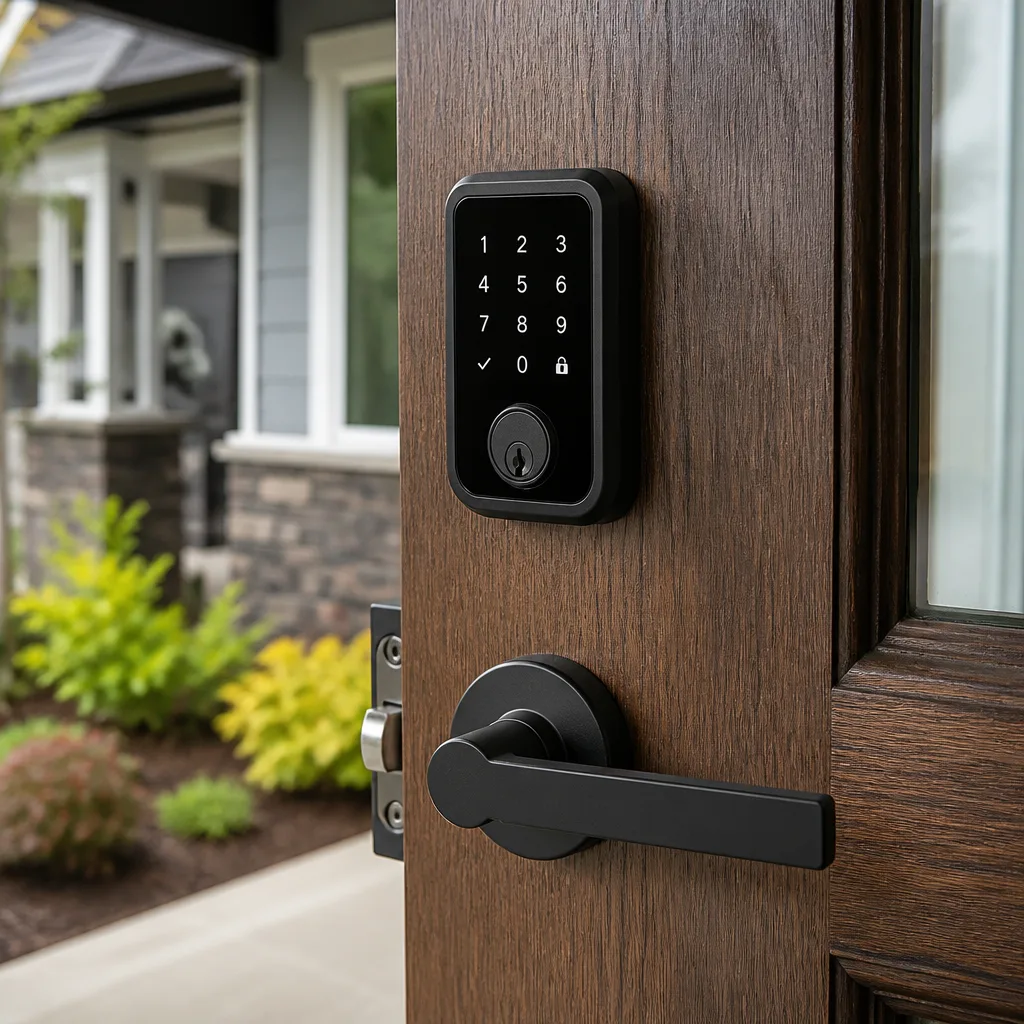 Smart locks
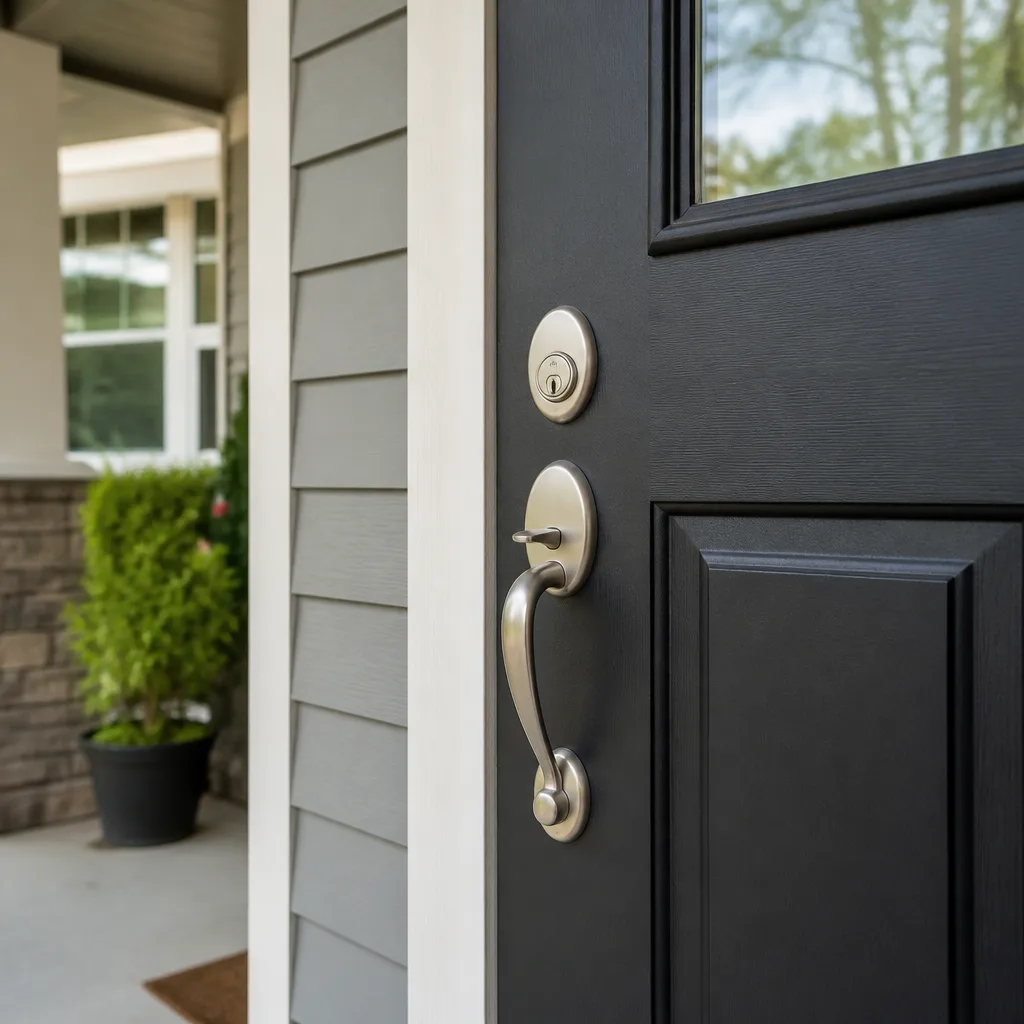 House lockouts
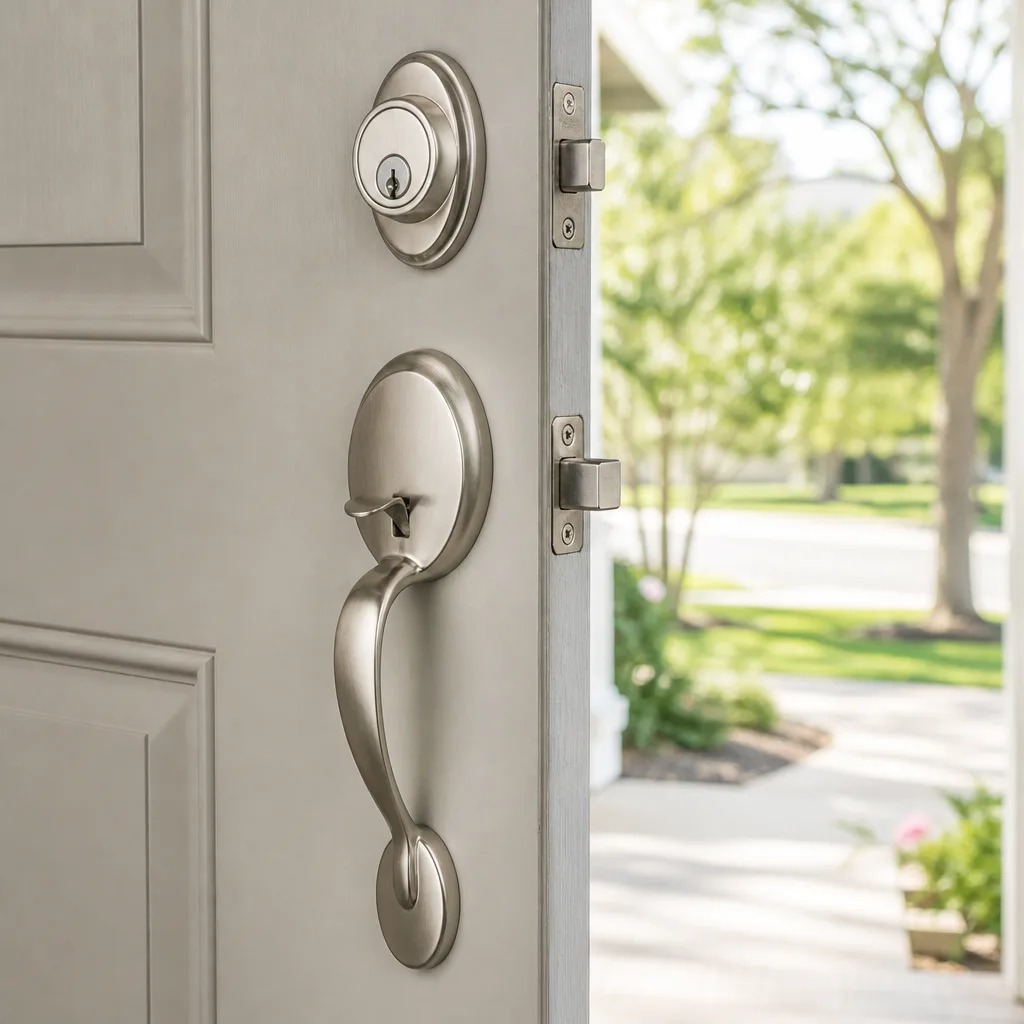 Re-keying
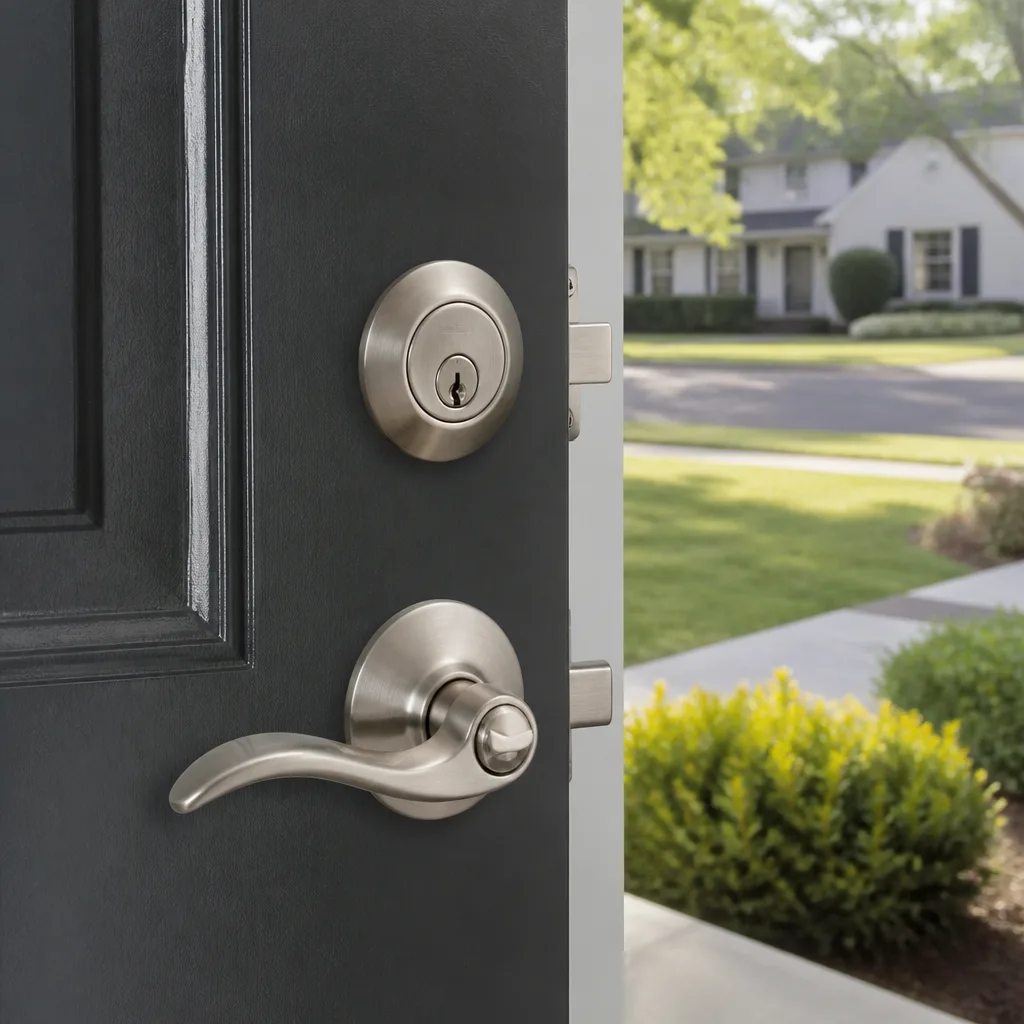 Deadbolt upgrades
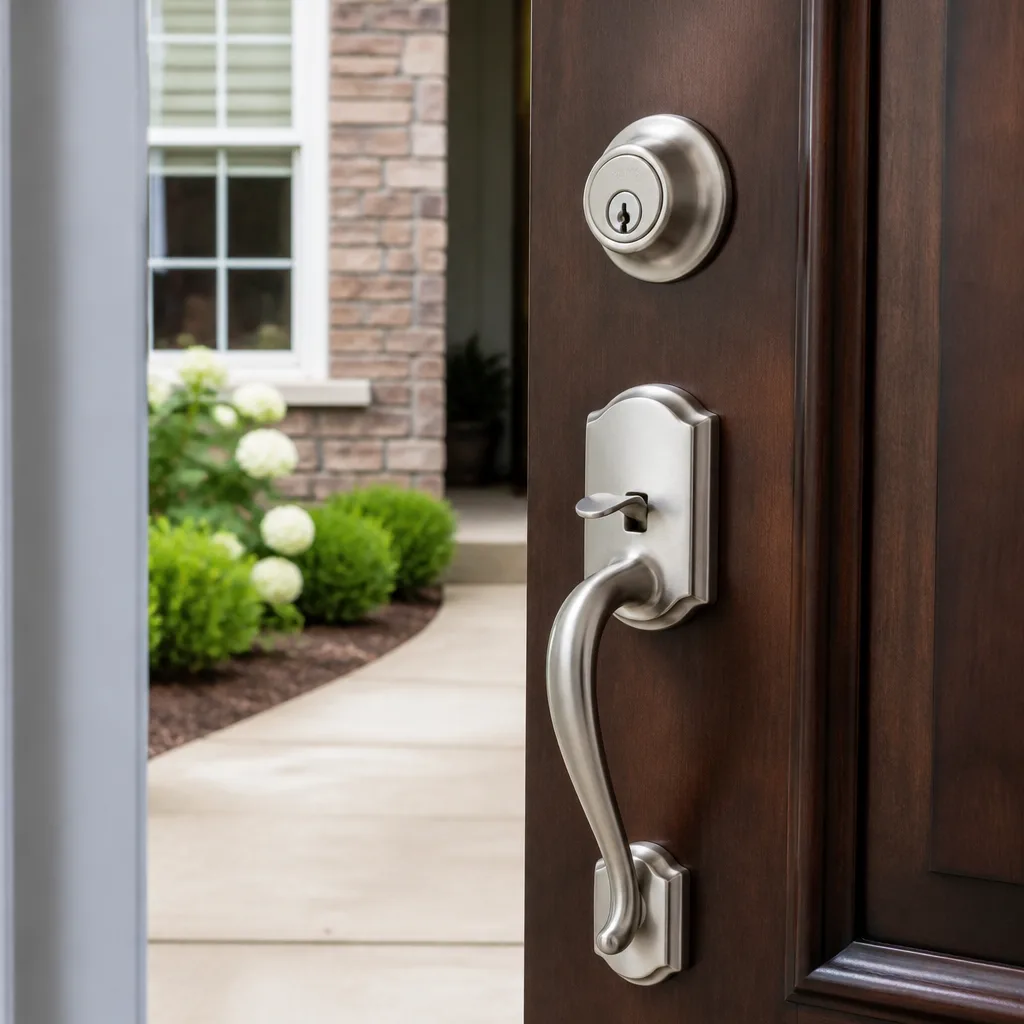 Schlage
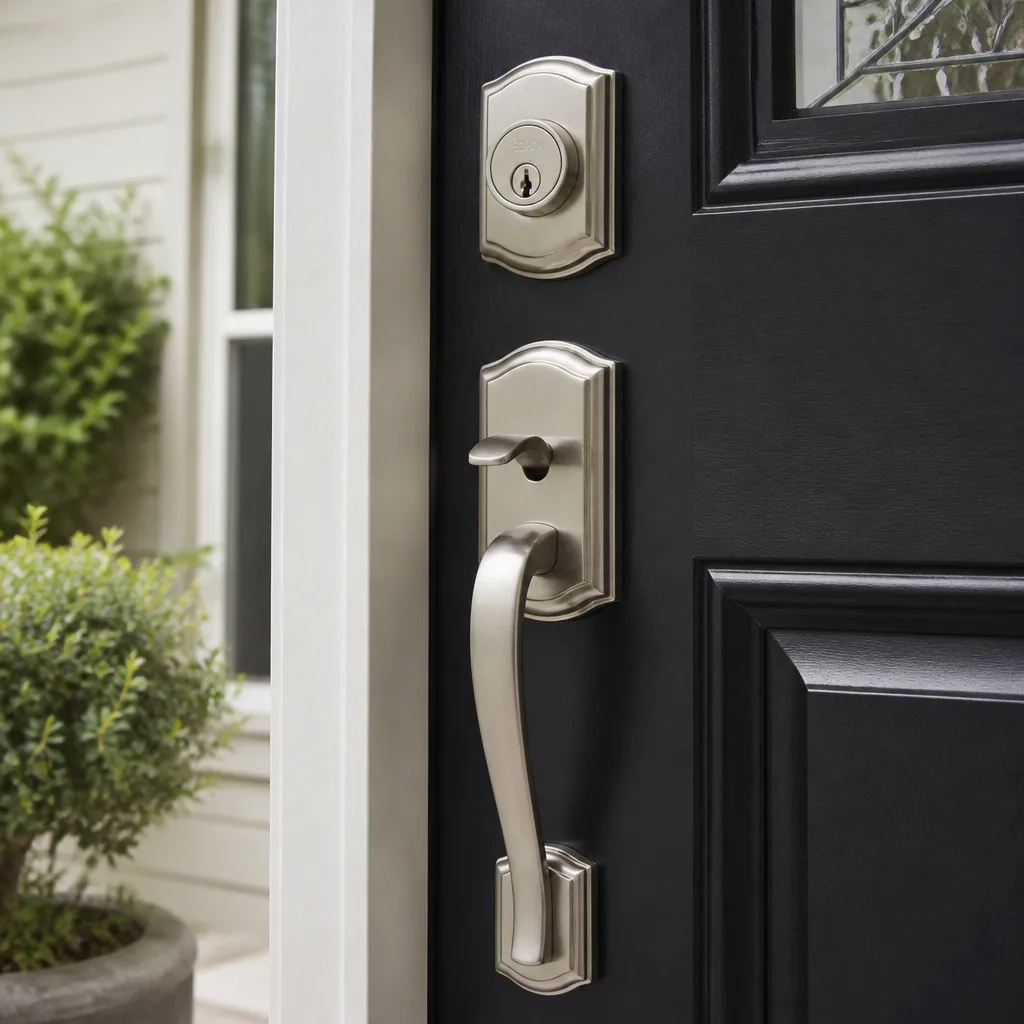 Kwikset
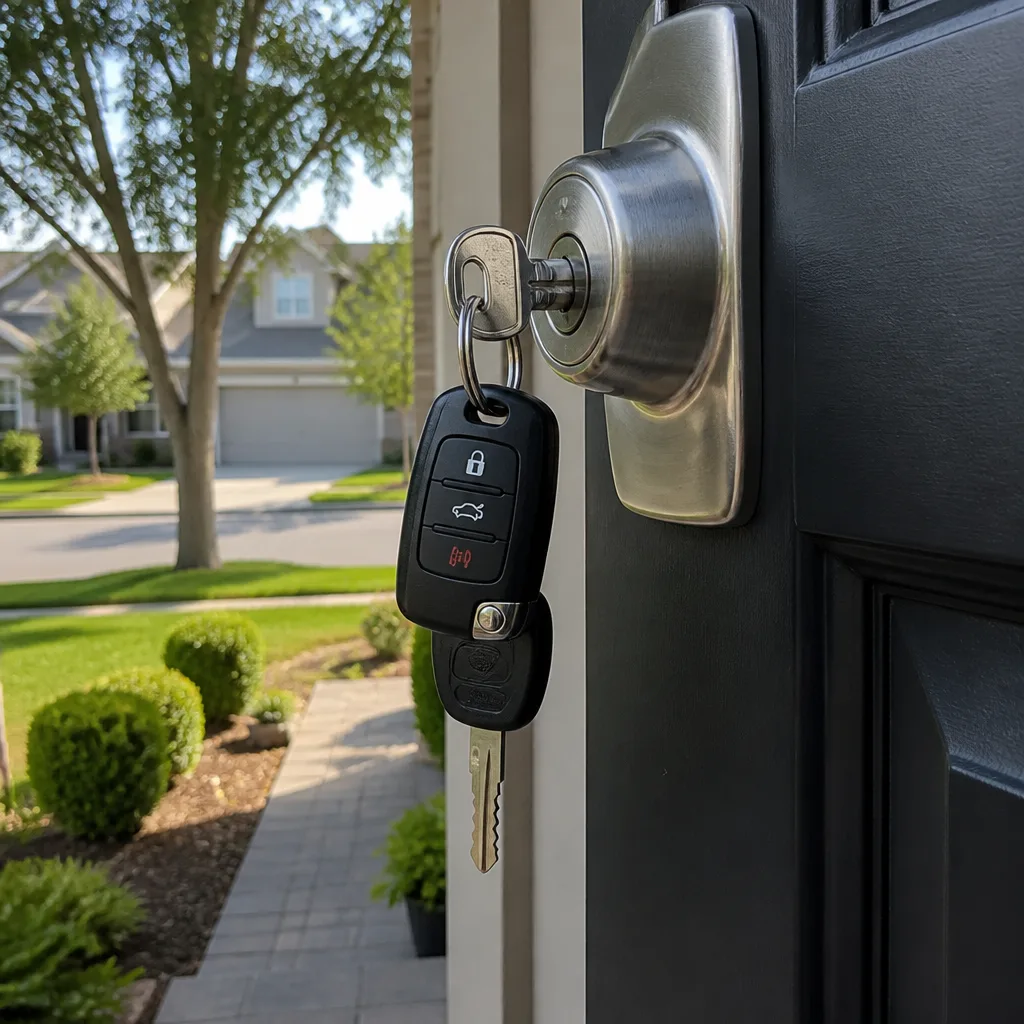 Car keys & fobs
Non-destructive entry first, always - and we re-key Schlage, Kwikset, and Baldwin locks on the spot while you watch
You get a price before we start. It does not change when we arrive. No surprises.
Get your free estimateLocksmith Emergency Preparedness Guide for Mesa Homes
Here’s a pattern we see constantly in Mesa: a homeowner pulls into their driveway after a long shift, reaches for their keys, and realizes they left them on the kitchen counter. Or the front door lock finally gives out after years of Arizona dust and summer heat cycling. What happens next usually follows a predictable script. They search “emergency locksmith Mesa AZ” on their phone, tap the first result, and end up talking to a dispatch center in another state that sends a subcontracted tech with a vague price range and a clipboard full of add-on fees. This guide exists so that never happens to you. By the time you finish reading, you’ll know the three things every homeowner in Mesa should do before an emergency strikes, how to assess a lockout without making things worse, what to say when you call a locksmith, and how to spot a lead-gen scam before it costs you hundreds of dollars.
Styles & brands we work with
Quick Answer
Emergency locksmith preparedness for Mesa homes comes down to three actions you can take this week: know your lock hardware brand and model, store a spare key with a trusted person rather than a hiding spot on your property, and save a local locksmith’s phone number in your contacts before you need it. When a lockout does happen, check non-lock entry points first like a garage door or unlocked back door, then call a locksmith who can tell you their local dispatch location and give you a firm price range over the phone before anyone is sent out.
Table of Contents
- The Three Things Every Mesa Homeowner Should Do Before an Emergency
- Know Your Lock Hardware: Why Brand and Model Matter
- How to Assess a Lockout Situation Before Calling
- What Information to Have Ready When You Call
- How to Verify You’re Calling a Legitimate Mesa Locksmith
- Building a Home Security Plan That Reduces Emergencies
- Rekeying vs. Replacing: The Smarter Move After a Security Event
- Common Mistakes to Avoid
- When to Call a Professional
- Frequently Asked Questions
- The Bottom Line
The Three Things Every Mesa Homeowner Should Do Before an Emergency
Most lockout emergencies in Mesa are not caused by lost keys. In our experience, the two biggest culprits are worn-out hardware that finally fails and keys that get locked inside by sheer routine, like setting them on the entry table while hauling groceries through the garage door. Neither one is a situation you can predict on a calendar. What you can do is remove the panic from the equation by handling three specific tasks ahead of time.
- Identify your lock hardware brand and model. Walk to your front door right now and look at the deadbolt. Is there a brand name stamped on the faceplate? Schlage, Kwikset, Baldwin, Yale? Write it down. If you can find a model number anywhere on the lock body or edge, write that down too. This single step saves you time and money during an emergency because the locksmith knows what they’re walking into before they arrive. A technician who services Schlage and Kwikset daily carries different pins and cylinders than one who mostly handles Medeco or Mul-T-Lock high-security systems. If you have a smart lock, make a note of whether it’s Bluetooth, Z-Wave, or Wi-Fi connected, because that affects how a locksmith approaches a non-destructive entry.
- Store a spare key with a trusted contact, not on your property. Every security professional will tell you the same thing: fake rocks, magnetic hide-a-key boxes, and keys under doormats are the first places burglars check. In Mesa specifically, the fake rock trick is so common that it’s practically a neighborhood cliché. Instead, give a spare key to a neighbor you actually talk to, a family member within reasonable driving distance, or a close friend. If that’s not practical, consider a lockbox with a combination code mounted somewhere only you and a trusted emergency contact know about. The goal is access without broadcasting your vulnerability.
- Save a local locksmith’s number in your phone before you need it. The reason so many people end up calling out-of-state dispatch centers is that they search under stress and grab the first thing they see. If you already have a Mesa locksmith saved as a contact entry, your emergency becomes a two-tap operation instead of a ten-minute research session. At minimum, store the number and a brief note about what they service. When you call, the conversation starts from a position of trust instead of a cold lead.
These three steps take about fifteen minutes total. They are the difference between handling a lockout with a level head and standing in your driveway at 10 p.m. hoping the person on the other end of the line is honest. We built our Parkway Lock & Key home services around exactly this kind of homeowner: the person who wants to be ready before the emergency, not scrambling during it.
Know Your Lock Hardware: Why Brand and Model Matter
Not all locks are created equal, and that is not a slogan. A Kwikset deadbolt and a Mul-T-Lock high-security cylinder are fundamentally different machines with different pin configurations, different keyways, and different servicing requirements. When you can tell a locksmith, “I have a Baldwin mortise lock, and the thumb latch stopped turning,” you have just eliminated half the guesswork from the service call. The technician brings the right tools, the right replacement parts, and the right expertise for that specific hardware line. You get a faster resolution and a more accurate price quote because the scope of work is clear before anyone gets in a vehicle.
Here’s a practical breakdown of what we see in Mesa homes and what each hardware type means for an emergency call:
- Schlage and Kwikset: These are the most common residential brands in Mesa. They use standard pin tumbler cylinders, and most locksmith service vehicles carry replacement parts for them at all times. If you have one of these, an emergency call is typically straightforward and quick. The brand name is usually stamped on the key or the faceplate. Knowing this takes an emergency call from “unknown, bring everything” to “standard residential, bring the Schlage kit.”
- Baldwin and Yale: These are premium residential lines. Baldwin in particular makes mortise locks that are mechanically different from standard bored deadbolts. A generic tech who only handles Schlage may struggle with a Baldwin mortise rebuild. Brand-specific knowledge matters here, and having that information on hand means the right tech gets dispatched to your door.
- Medeco, Mul-T-Lock, Sargent, and Abloy: These are high-security systems. They use restricted keyways, specialized pins, and often require proof of ownership before keys can be duplicated. If you live in a home with one of these installed, likely because a previous owner was security-conscious or you’ve upgraded, your emergency calls need a locksmith who is actually certified to service that brand. Many locksmiths are not. Sargent mortise bodies, for instance, are common in commercial buildings and older high-end homes, and they are not something a generalist should be improvising on.
The point is not that you need to become a lock expert. The point is that writing down one line of information, like “front door: Schlage B60 deadbolt, keyed entry knob below it,” gives you control over the quality of service you receive. It also lets you confirm before the call whether the locksmith actually works on your hardware. A shop that hesitates when you say “Medeco” is not the shop you want turning a drill near your front door.
How to Assess a Lockout Situation Before Calling
When you find yourself locked out of your Mesa home, the adrenaline response is real. Your first instinct is to solve the problem immediately, and that instinct leads people to try things they probably should not try, like prying a window frame or forcing a deadbolt with a screwdriver. Before you touch anything, take two minutes to assess the situation calmly. This saves you from turning a $100 lockout into a $400 window repair.
- Check every door first. Walk the perimeter of your home and test the front door, back door, side door, and garage door. In Mesa homes with attached garages, the garage door is frequently the forgotten entry point. If you have a garage door keypad and you remember the code, problem solved. If you have a garage door opener in a car you can access, that also works even when the house is locked. Do not assume the front door is your only option just because it’s the one you normally use.
- Check ground-floor windows. In many Mesa neighborhoods, especially older construction in the central corridor, windows are not always latched consistently. If you find one that opens, use your judgment. Crawling through a window is not always safe, and it can damage window tracks or screens. But if it’s a simple sash window that’s already open and you can step through safely, it’s a viable non-destructive entry. Do not force anything. If the window is locked or painted shut, leave it alone.
- Check with household members. If you live with family, roommates, or a partner, call them before you call us. This sounds obvious, but we regularly arrive at Mesa homes where the spouse or teenage kid has a key and was simply not answering their phone for twenty minutes. A quick group text resolves the situation without a service call.
- If none of these work, call immediately without attempting anything else. Do not try to pick the lock yourself unless you actually know how. Do not use a credit card on a deadbolt, that only works on old spring-latch doors and often damages the card and the door frame. Do not drill anything. The moment you have exhausted the easy checks, call a local locksmith and let a trained professional handle it. Every minute you spend improvising is a minute that could result in a bigger repair bill.
One Mesa-specific note: depending on the time of year, you may be assessing a lockout in extreme heat. Summer afternoon temperatures regularly exceed 105°F here. If you are locked out with a child, a pet, or an elderly person who needs climate control, do not wait. Call immediately and tell the dispatcher it is a heat-safety situation. That information changes how quickly your call is prioritized. If you need Emergency Locksmith in Mesa help, the information you provide during this assessment directly affects how fast we can get to you and what we bring.
What Information to Have Ready When You Call
The phone call to an emergency locksmith is where the outcome of your service is determined. A good call sets up a smooth, predictable visit. A rushed or vague call creates confusion and delay. Here is exactly what to have ready when you pick up the phone.
1. Your street address and cross streets. This sounds basic, but in a panic people forget. Mesa is a large city with many similar-sounding street names. Saying “I’m on the corner of Brown and Horne” is far more helpful than “I’m in the neighborhood by the Fry’s.” Have the full address ready, including apartment or unit number if applicable.
2. The lock brand and type, if you know it. This is where the preparation step pays off. “Front door, Kwikset deadbolt, keyed entry, standard cylinder” tells us almost everything. “I don’t know, it’s a lock on a door” tells us nothing. Even partial information helps, like “the key says Schlage on it.”
3. What happened. Be specific. “I locked my keys inside, the door is fully locked, deadbolt engaged” is different from “the key turns but the latch doesn’t retract” or “the key broke off in the cylinder.” Each situation requires a different approach and sometimes different tools. A key snapped in a cylinder often requires extraction and possibly replacement of the cylinder, while a simple lockout usually needs non-destructive entry and rekeying if you want a fresh key afterward.
4. Whether anyone is in danger. If you have a child, pet, or vulnerable person inside the home, say so immediately. If you have a medical condition that requires access to medication or cooling, say that too. This is not information we use to upsell anything. It changes the urgency level of your call and should be communicated in the first sentence after your address.
5. How you found the locksmith. Actually, save this one for the next section. But know that the answer matters more than most people realize.
When you have these details ready, the call goes quickly. The dispatcher can give you a firm price range over the phone before dispatching anyone, which is exactly how emergency locksmith service should work. We quote the full price before a technician is sent out, and that quoted price is the price on the invoice. No surprises, no add-on fees when the tech arrives. If you are calling someone and they cannot or will not give you a price range before dispatching, keep looking.
How to Verify You’re Calling a Legitimate Mesa Locksmith
The locksmith industry has a well-documented problem with lead-generation scams, and Mesa is not exempt from it. The scheme works like this: a company in another state creates dozens of fake local listings using Mesa addresses that are actually vacant lots or strip malls. When you search “emergency locksmith Mesa AZ” under stress, their ad or listing appears first. You call, get connected to a call center, and they dispatch an unvetted local contractor who works under many different company names. The price quoted on the phone is low. The final bill is not.
Two questions cut through almost every version of this scam. Ask both before you agree to anything.
- “Where is your local dispatch located in Mesa?” A legitimate local locksmith can answer this without hesitation. They know their city. They can name cross streets, nearby landmarks, or their service area. A lead-gen call center will dodge, give a vague answer, or claim their “technicians are all over the area.” If they cannot name a specific place in Mesa where their operation is based, that’s a red flag. We are a Mesa-based business. We work here. We know the difference between East Mesa, West Mesa, and the Dobson corridor. Those distinctions matter for response times and honest service.
- “Can you give me the full price range over the phone before dispatch?” A legitimate operation quotes a realistic, itemized-range price before anyone leaves. They explain what factors affect the final number: time of day, lock type, whether rekeying is needed. A scam operation quotes an unrealistically low base “$15 service call” or “$19 lockout special” and then piles on fees after arrival. When you hear a price that sounds too good to be true for an emergency service at 11 p.m., it is too good to be true. We give you the full price on the phone, and that is the price you pay. The technician does not show up with a surprise surcharge.
There are other signals too. Look at the company’s website. Does it list real services with real detail, or is it a thin template with generic stock photos and no local content? Does the phone number show up on the site, or is everything hidden behind a form? Do they mention specific lock brands, or is everything vague? A legitimate shop is not afraid to tell you exactly what they can and cannot do. We service Schlage, Kwikset, Medeco, Yale, Baldwin, Mul-T-Lock, Sargent, and Abloy. If a locksmith claims to “service all brands” without ever naming one, they are probably a dispatch front, not a locksmith.
Building a Home Security Plan That Reduces Emergencies
Preparedness is not just about being ready for a lockout. It is about reducing the likelihood that you will ever face an emergency call in the first place. A simple home security audit, done proactively, catches problems before they become 10 p.m. failures. This is the kind of work we do on a regular basis in Mesa homes, and the pattern is consistent: the houses that get audited annually have dramatically fewer emergency calls than the ones that only reach out when something breaks. For timing, see our Seasonal Locksmith Care for Mesa: Year-Round Homeowner’s Guide.
A basic home security plan for a Mesa residence covers four areas:
- Entry points. Every exterior door should have a deadbolt, not just a keyed entry knob. A knob alone is not security, it is convenience. The deadbolt should have at least a one-inch throw. Check the strike plates on the door frames. In many older Mesa homes, the strike plate screws are only half an inch long, which means a firm shoulder push can sometimes defeat the lock entirely. Replacing those screws with three-inch hardened ones is a ten-minute upgrade that significantly strengthens your door.
- Lock condition. Arizona is hard on locks, especially in the summer. Dust, heat, and the expansion and contraction of metal parts cause cylinders to bind, keys to wear faster, and internal springs to lose tension. If your key feels sticky, grinds when inserted, or requires jiggling to turn, that lock is telling you something. Address it now, while it’s a maintenance issue, not an emergency. The same logic applies to Rekey Locks in Mesa situations: if you’ve recently moved into a new home, you do not know who has copies of your keys. Rekeying gives you a clean slate at a fraction of the cost of all-new hardware.
- Access habits. The simplest security upgrades are behavioral. Lock your doors even when you’re home during the day. Don’t leave a garage door open while doing yard work in the backyard, because that’s an invitation. Don’t post vacation photos on social media in real time. These are not locksmith insights; they are just common sense that gets forgotten in the rhythm of daily life.
- Spare key strategy. Revisit this periodically. Is your spare key still with the person you originally gave it to? Do they still live nearby? Has your household changed in a way that means fewer or more spares are needed? In Mesa, snowbird households have a particular challenge: a spare key given to a neighbor in April may be useless by November if that neighbor is also a snowbird who has left for the season. Think through your actual access chain, not just the existence of a spare.
And if you want to go further than basic, consider whether your home is actually a candidate for high-security hardware. A Mul-T-Lock or Medeco cylinder with a restricted keyway means nobody can copy your key at a hardware store kiosk. A Sargent mortise lock on a high-traffic entry door will outlast three generations of big-box deadbolts. From Kwikset to Medeco, we know every level of the lock, and an honest conversation is the right starting point, not a sales pitch.
Rekeying vs. Replacing: The Smarter Move After a Security Event
After a lockout, break-in, or even just a lost key, homeowners face a decision: rekey the existing lock or replace it entirely. Many people assume replacement is the only option, and that assumption costs them money they did not need to spend. Rekeying is often the smarter move, and we will tell you honestly which option fits your situation.
Rekeying means changing the internal pins in the cylinder so the existing hardware accepts a new key and rejects all old ones. The lock stays on the door. The hardware you paid for remains. The only thing that changes is the key. This works when the lock itself is in good mechanical condition and you simply want to invalidate previous keys. It is a full security reset without the expense of buying new hardware, and it is a service we offer as a core part of our business, not an afterthought.
Replacement makes sense when the lock is worn out, damaged, or you want to upgrade to better hardware. If the cylinder is scored from years of use, the deadbolt throw is bent, or the finish is corroded from Arizona’s summer dust, rekeying that lock is like putting new tires on a car with a broken axle. The smart move is replacement. It also makes sense when you are upgrading from a standard residential line to a high-security brand, or when you want to key multiple locks to match each other and the existing hardware makes that impractical.
The decision tree is simple:
- Lock works fine, keys are unaccounted for? Rekey it.
- Lock is physically failing or outdated? Replace it.
- Not sure? Call and describe your situation. A quick phone description usually resolves the question without a service call.
Here is a scenario that illustrates why this matters. A family in central Mesa lost a set of keys that included their front door, back door, and a side gate. They assumed they needed three new locks, hundreds of dollars in hardware, and a full afternoon of installation. In reality, all three locks were in good condition. We rekeyed all three to a single new key in under an hour. Their total cost was a fraction of what replacement would have been, and their security outcome was identical: all previous keys are now useless. That is what rekeying delivers, and it is why we treat it as a primary service rather than an upgrade option. If you need Rekey Locks in Mesa service after a security-related event, know that it does not have to mean a major hardware purchase.
Common Mistakes to Avoid
- Hiding a spare key on your property. Fake rocks, under mats, above door frames, inside light fixtures. Burglars know every one of these spots, and they check them. In Mesa, the fake rock is so widely used that it might as well be a formal invitation. Give your spare to a person instead.
- Calling the first result in a panic search without verification. That top ad or map listing is often a lead-gen operation with no actual local presence. You end up paying dispatch fees to a company that then sub-contracts a local tech at a markup. Ask the two verification questions every time, even mid-emergency.
- Forcing a window or door. The most expensive repair bills we see are not from lockouts. They are from lockouts where someone panicked and put a pry bar through a window frame. A shattered pane and damaged sill cost far more than a locksmith service call, and they turn a 30-minute lockout into a week-long repair project.
- Not testing every entry point before calling. We have arrived at Mesa homes to find an unlocked back door, an open garage, or a sliding glass door that was never locked in the first place. A two-minute perimeter check before phone call can save you the entire cost of a service visit.
- Ignoring a lock that “still works, mostly.” Sticky keys, loose trim, handles that need to be lifted while turning the key, these are pre-failures. Every one of them is a lock that will fail completely at the worst time, like when you are running late for work or just getting home after midnight. Address it now, not later.
- Assuming all locksmiths work on all locks. A shop that handles Kwikset and Schlage daily may have zero experience with Medeco or Mul-T-Lock restricted keyways. A shop that handles automotive work may not touch high-security residential systems. If your lock brand is outside the mainstream, confirm capability before you schedule anything.
- Hiring based on the lowest phone quote alone. A “$19 lockout” is a bait price. The final invoice will not be $19, and you will be standing in a stressful situation when you find out. Look for an honest range quoted up front, with the final price confirmed before the tech touches your door.
When to Call a Professional
Some situations obviously call for a locksmith: you are locked out, a key broke off in the cylinder, or a lock is completely non-functional. Others are less obvious. You should call a professional any time you are uncertain about your own assessment, any time a lock has been visibly tampered with or damaged, and any time a security event like a break-in or lost key set means you need to restore control over who can access your home. If the lock is a high-security brand like Mul-T-Lock, Sargent, or Abloy, do not let a general handyman touch it. These systems require brand-specific tools and training, and a botched attempt can damage a cylinder that costs far more to replace than a standard deadbolt. Parkway Lock & Key offers free estimates in Mesa, call (877) 824-1139. When you call, we walk through your situation on the phone first, confirm the price range up front, and dispatch only after you know exactly what to expect. If you are dealing with a vehicle key emergency, we also cover Car Key Replacement in Mesa, which means one call handles both your house and your vehicle without two different service providers.
Frequently Asked Questions
An emergency locksmith service call in Mesa typically starts with a base service fee and increases based on the time of day, the type of lock, and whether rekeying or parts replacement is needed. You should expect a firm price range quoted over the phone before anyone is dispatched. Any company that will not give you a phone quote before dispatch should be avoided. Call (877) 824-1139 for an exact quote, estimates are free.
Yes. When you call Parkway Lock & Key, the price quoted on the phone before dispatch is the price on the invoice. We do not add call-out surcharges, dispatch fees, or “inspection fees” when the technician arrives. The only way the price changes is if the scope of work changes and you approve it first.
Response time depends on where in Mesa you are located and what time you are calling, but emergency dispatch is our core service and we prioritize lockout calls accordingly. When you call, we give you an honest ETA based on your actual location, not a general promise. If you are in a heat-safety situation with a child, pet, or vulnerable person, tell the dispatcher immediately. Call (877) 824-1139 for current availability.
A legitimate locksmith will tell you their local location without hesitation, quote a full price range before dispatch, and name the specific lock brands they service. They will not dodge your questions or insist that their “technicians are everywhere.” If you call a Mesa locksmith and the person on the phone cannot tell you where in Mesa they are based, that is a red flag.
Rekeying is usually the right answer. You have no idea how many copies of the previous keys exist or who holds them, and rekeying invalidates every one of them for a fraction of what full lock replacement costs. Replacement only makes sense if the existing hardware is worn out, damaged, or you want to upgrade to higher-security hardware. Call us and describe your situation, we will tell you honestly which option fits.
Do not try to extract the broken piece yourself. Attempting to fish it out with tweezers, pliers, or a household tool often pushes the key fragment deeper into the cylinder or scores the pins, which turns a simple extraction into a full cylinder replacement. Call a locksmith who works on your lock brand. Key extraction is a common job, and with the right tools it is usually quick. Call (877) 824-1139 for immediate help.
The Bottom Line
Emergency preparedness for Mesa homes is not about buying expensive gadgets or memorizing lock-picking techniques. It is about three simple actions: know your lock hardware, store your spare key with a person rather than a hiding spot, and have a local locksmith saved in your phone. When an emergency happens, those three things change the entire experience. You will assess the situation calmly instead of panicking. You will call a verified local professional instead of a dispatch-center roulette. And you will pay an honest, phone-quoted price instead of discovering an inflated invoice at your front door. The time to prepare is now, not when you are standing in a hot driveway at 11 p.m. If you want to get ahead of it, call us for a lock audit or rekeying quote, or browse more guides & resources. The conversation takes five minutes, and it puts you in control before you ever need to be.
Written by the team at Parkway Lock & Key, serving Mesa since 2014.