
Last updated October 30, 2026
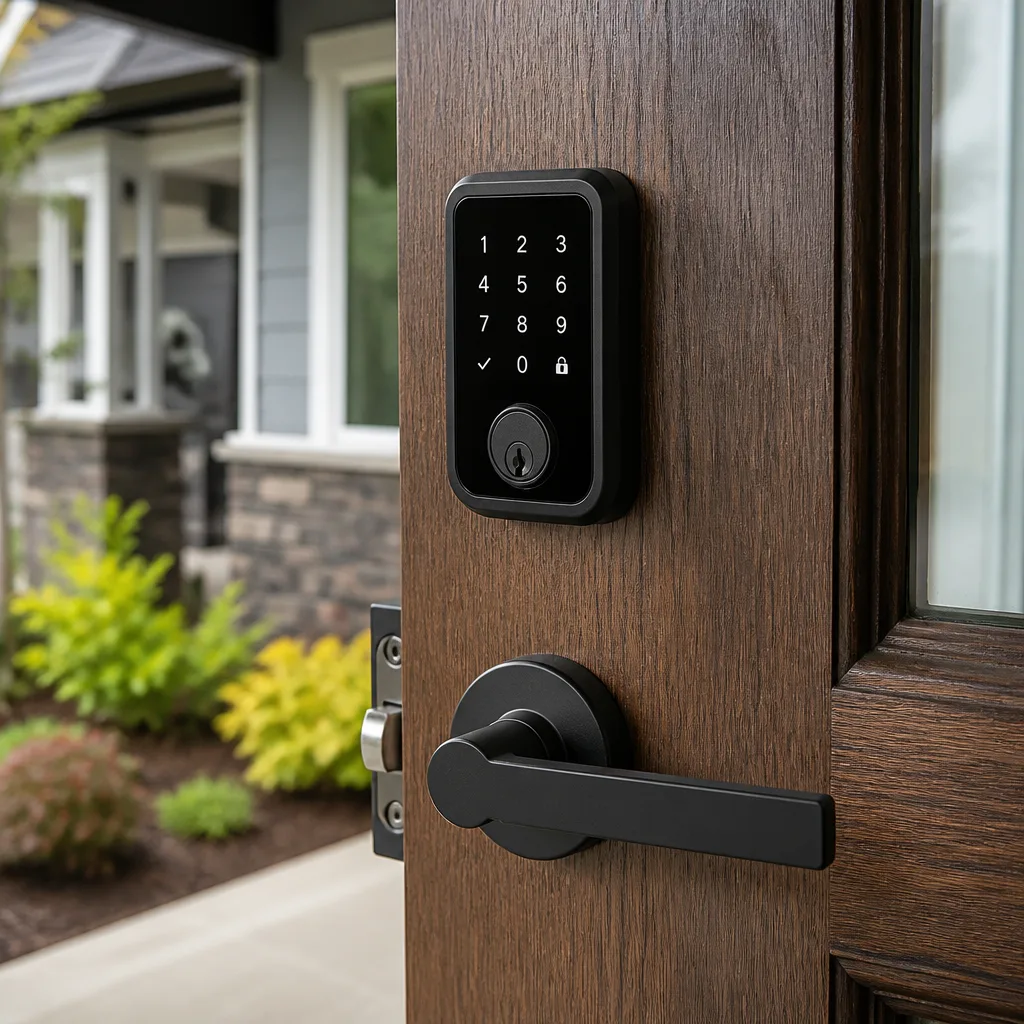 Smart locks
 House lockouts
 Re-keying
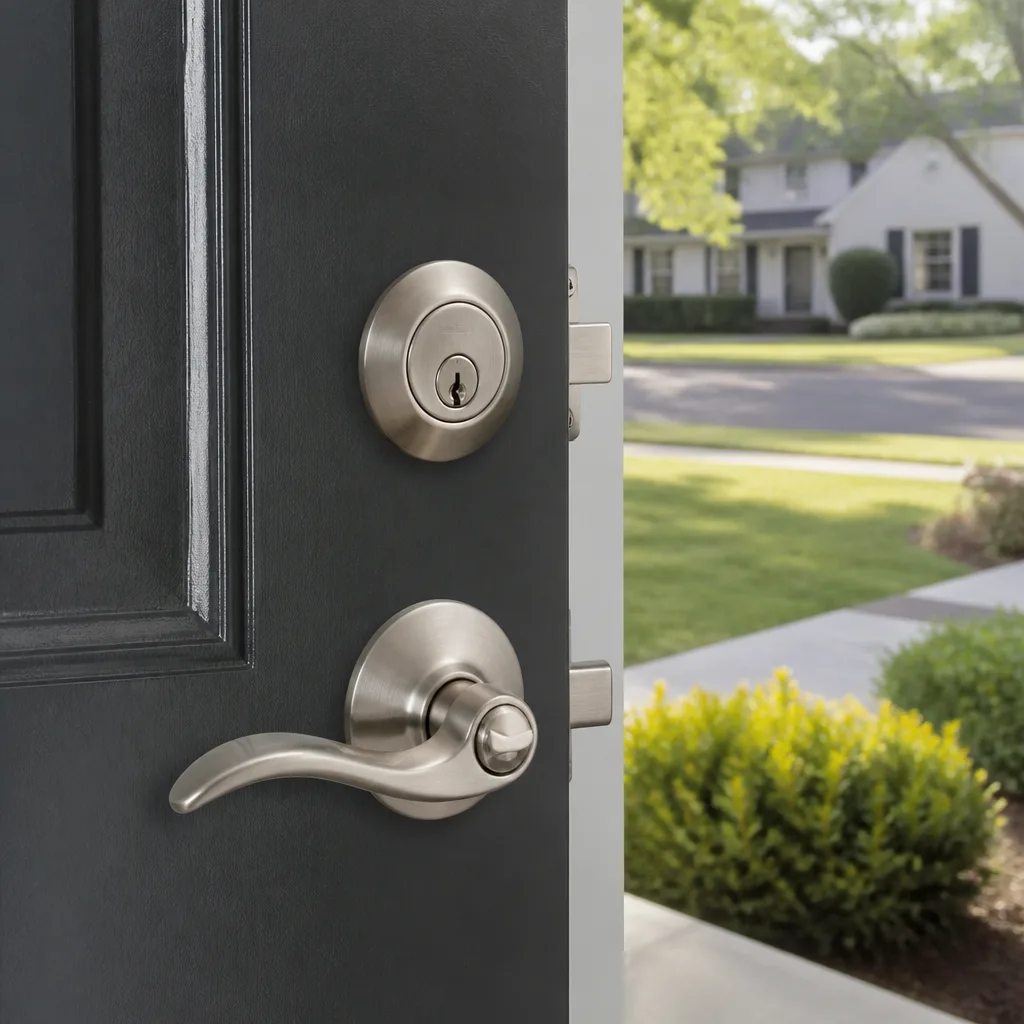 Deadbolt upgrades
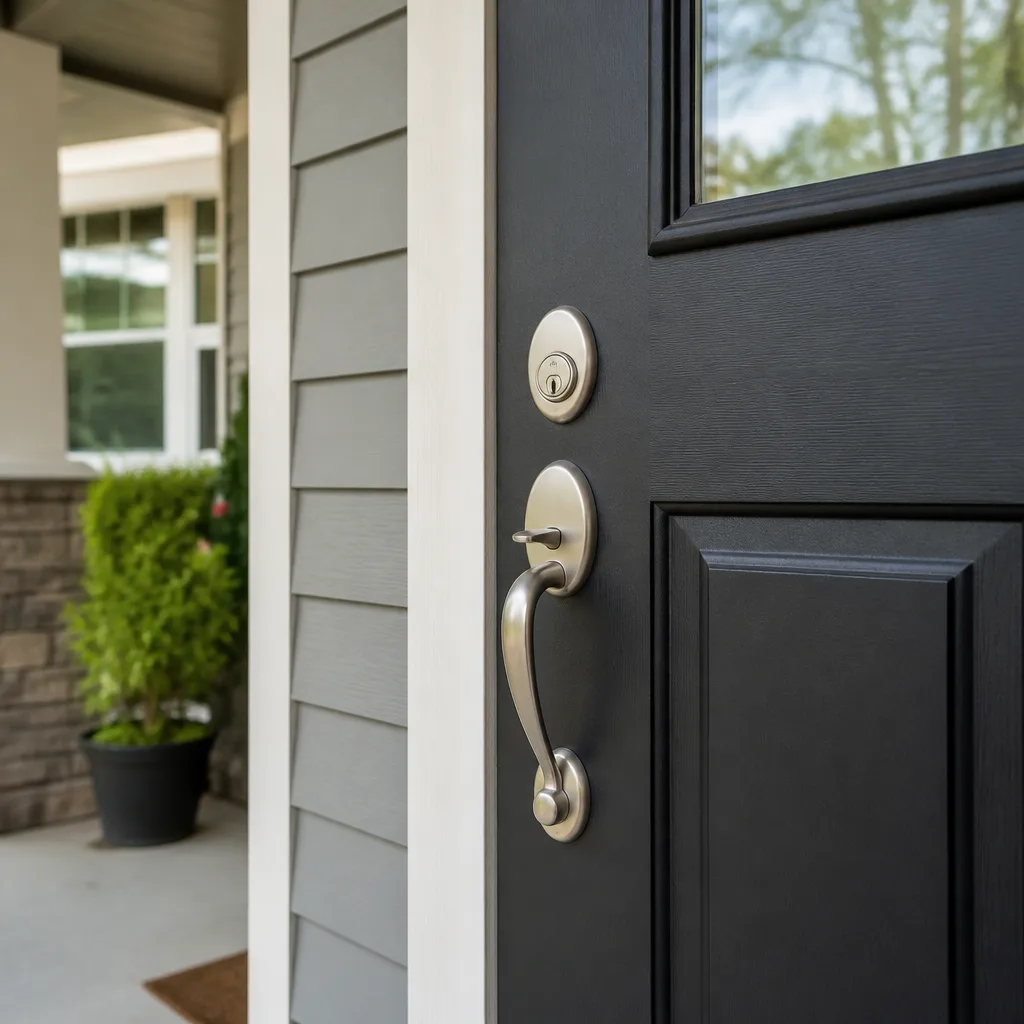
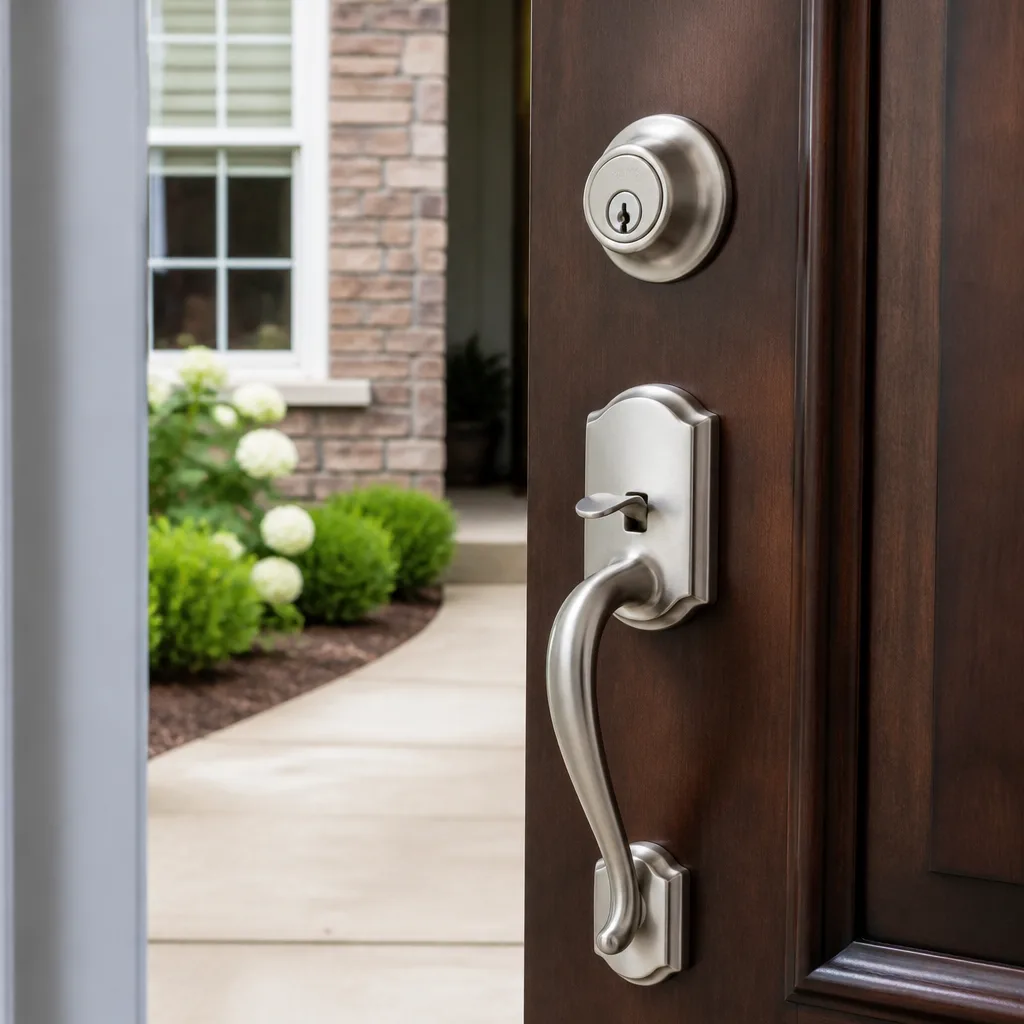 Schlage
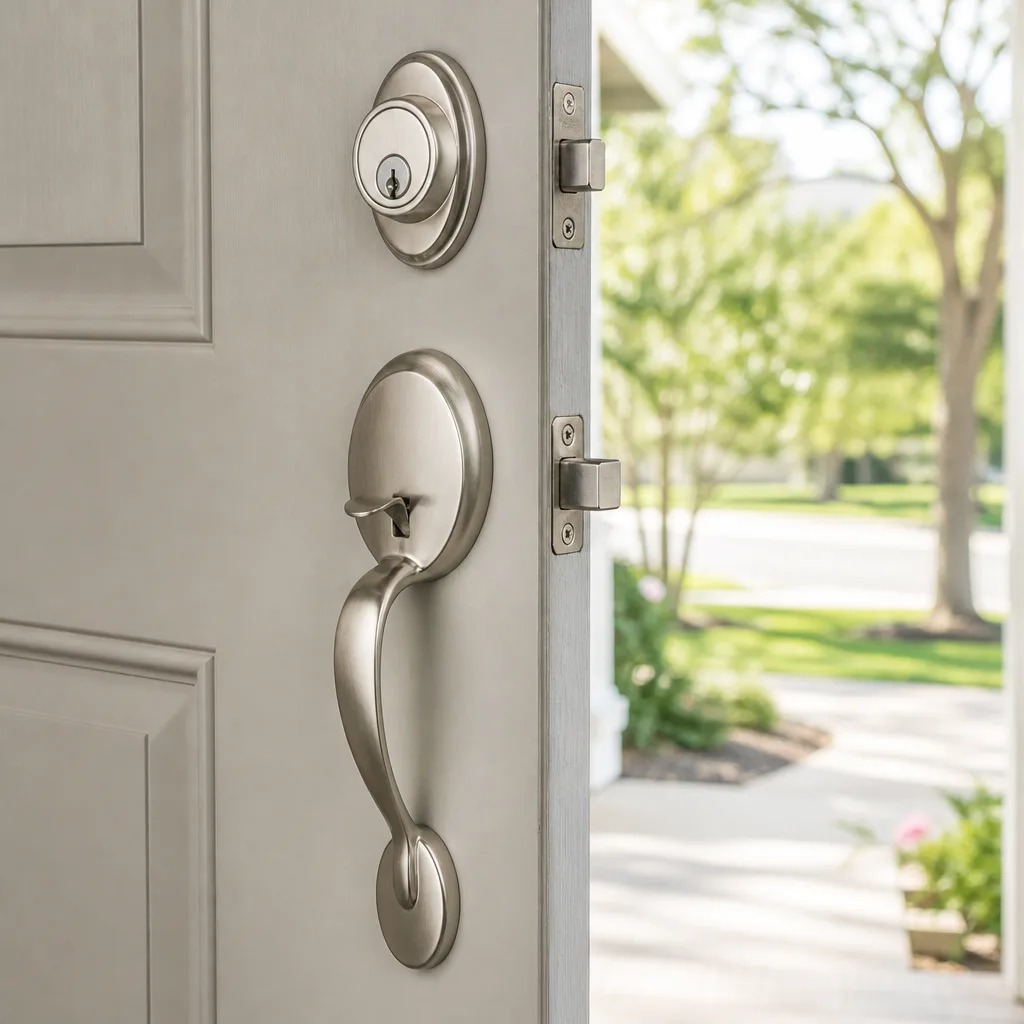
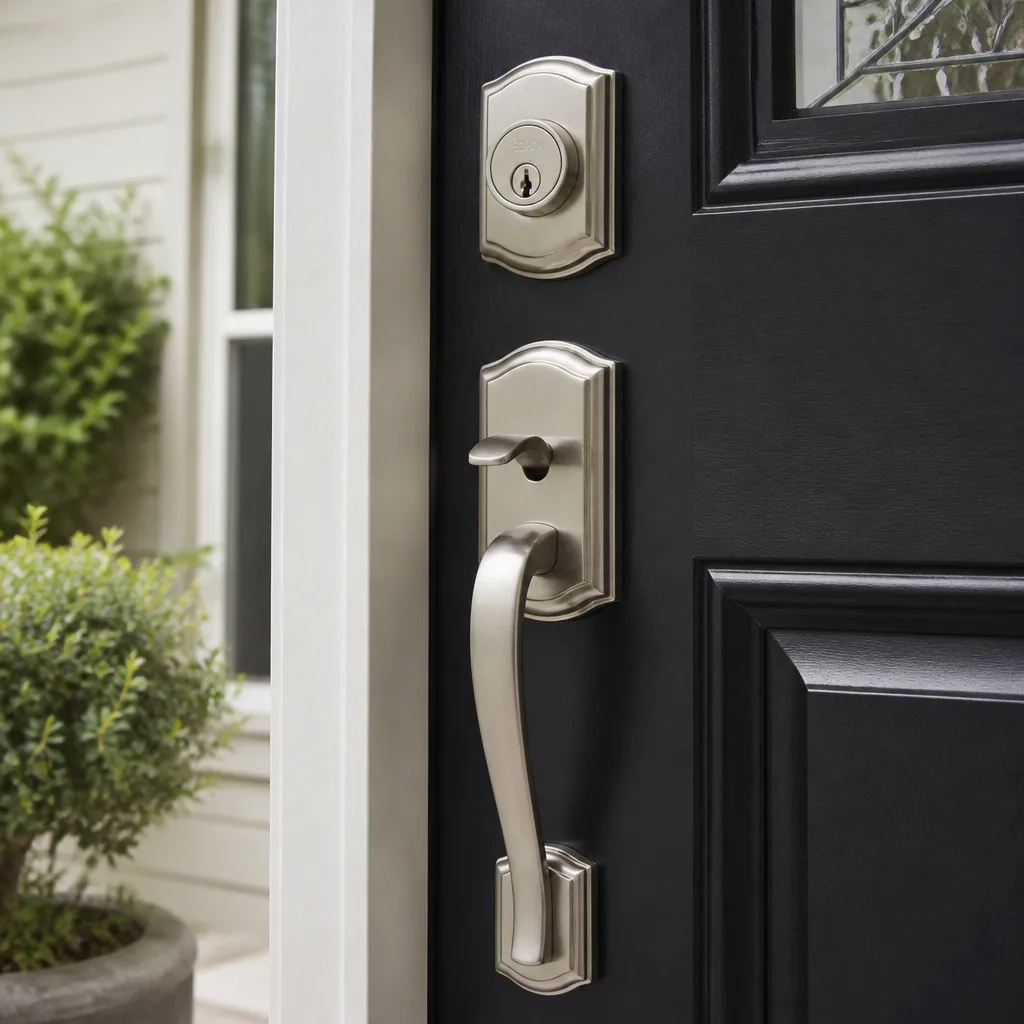 Kwikset
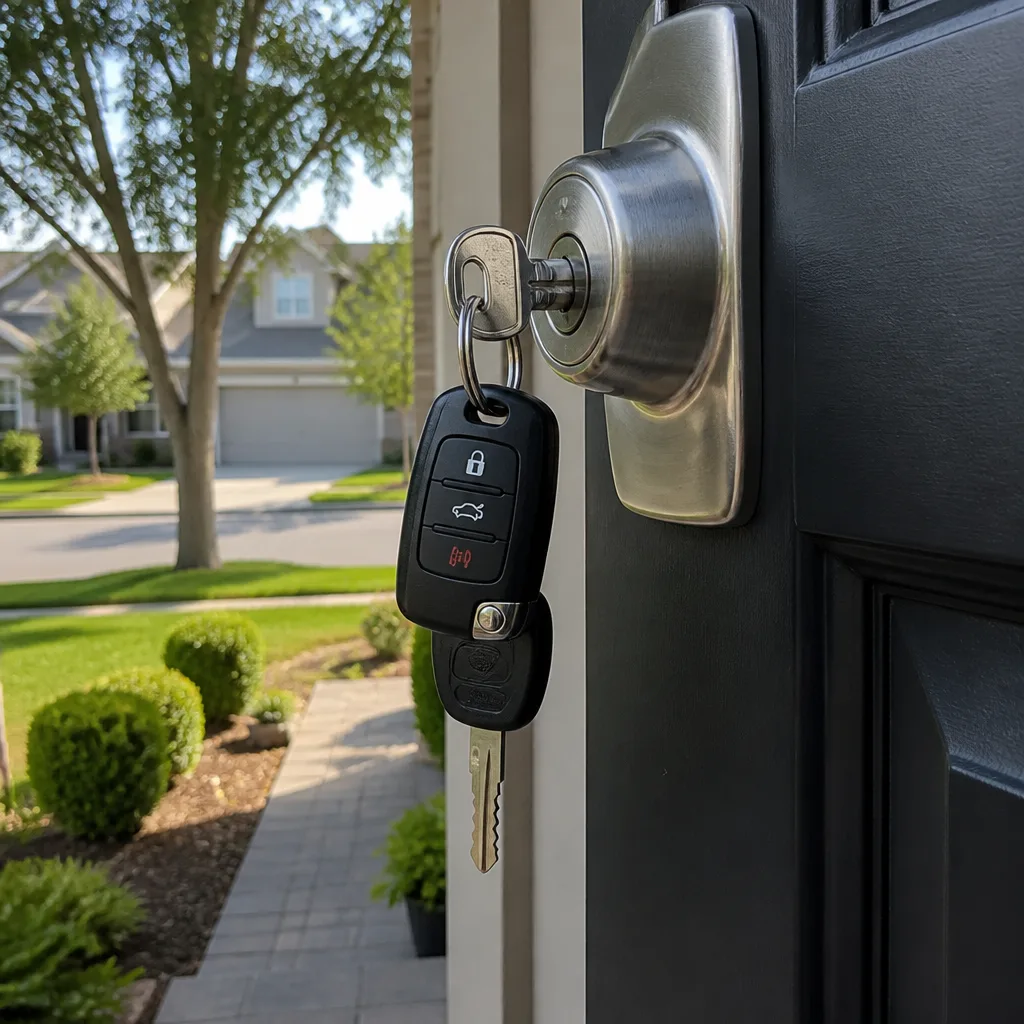 Car keys & fobs
Non-destructive entry first, always - and we re-key Schlage, Kwikset, and Baldwin locks on the spot while you watch
You get a price before we start. It does not change when we arrive. No surprises.
Get your free estimateLocksmith Permits, Codes & Inspections in AZ: What You Need to Know
Arizona is one of the stricter states in the country for locksmith oversight, yet in our experience here in Mesa, fewer than one in ten homeowners ever asks to see a technician’s license before handing over their house keys. The reason matters: under Arizona law, anyone performing locksmith services for compensation must hold a valid license issued by the state, and hiring someone without one can leave you legally and financially exposed if that person damages your door, installs hardware incorrectly, or simply walks off with a copy of your key. This guide explains exactly what Arizona’s licensing framework requires, when lock work crosses into permit territory, how fire codes affect hardware choices on certain properties, and what your insurance policy will or will not cover. For Locksmith Warning Signs: A Mesa Homeowner’s Reference Guide and more guides & resources, see our blog. By the time you finish, you’ll know how to verify a locksmith in under two minutes and which questions to ask before anyone touches your locks.
Styles & brands we work with
Quick Answer
In Arizona, any person or company performing locksmith work for pay must be licensed through the Arizona Registrar of Contractors as a locksmith contractor (typically under the R-67 residential license or C-67 commercial license), per ARS Title 32. Verifying a lock pro takes under two minutes using the Arizona Registrar of Contractors online license search. Most routine residential lock work, like rekeying or deadbolt replacement, does not require a building permit, but commercial properties and new construction often do, and high-security installations on fire-rated doors must comply with Arizona fire code egress requirements.
Table of Contents
- Arizona’s Locksmith Licensing Law: What ARS Title 32 Actually Requires
- How to Verify a Locksmith’s License in Under Two Minutes
- When Locksmith Work in AZ Requires a Permit (and When It Does Not)
- High-Security Locks, Fire Code, and Egress in Arizona
- What Homeowner’s Insurance Says About Unlicensed Lock Work
- Licensed Locksmith vs. Licensed Alarm Contractor: Why the Difference Matters
- Common Mistakes to Avoid
- When to Call a Professional
- Frequently Asked Questions
- The Bottom Line
Arizona’s Locksmith Licensing Law: What ARS Title 32 Actually Requires
Locksmithing in Arizona is a regulated trade, and the statute that governs it sits inside ARS Title 32, the same chapter that covers contractors generally. A person performing locksmith services without a license is not operating in a gray area: they are practicing an unlicensed trade, and in Mesa and across Maricopa County, that carries real consequences for the unlicensed individual and for the customer who hired them. Here is what the law means in practice.
ARS Title 32 establishes that any work involving the installation, repair, opening, or modification of locks, locking devices, or access systems, when performed for compensation, requires a contractor’s license issued by the Arizona Registrar of Contractors. The relevant classifications are R-67 for residential locksmith work and C-67 for commercial locksmith work. A technician working under a company’s license must be a qualifying party or a registered employee of that licensed entity, which means the license follows the company, not just the person holding the screwdriver.
What surprises most homeowners in Mesa is how broad the definition of locksmith work actually is. It includes rekeying cylinders, installing deadbolts, opening locked vehicles, programming transponder keys, and servicing electronic access systems. If someone charges you $50 to open your front door, they need a license. If a friend does it for free, that is a different situation entirely.
The Arizona Registrar of Contractors enforces this by issuing citations and cease-and-desist orders to unlicensed operators. For the homeowner, the practical risk is that an unlicensed tech has no bond, no required insurance coverage through the license, and no regulatory body to answer to when something goes wrong. In our work across Mesa, we see the fallout regularly: doors with misaligned strikes, deadbolts that have been drilled out and left inoperable, and car keys cut slightly off-depth that fail after a week. Our Car Key Replacement Maintenance Checklist for Mesa Homeowners can help you avoid these issues. The repair bill usually lands squarely on the homeowner.
One more point worth understanding: the license number must appear on all advertising, invoices, and vehicles used for the trade. If a locksmith’s van shows up with no license number visible, that is a red flag under ARS Title 32. You can ask to see the physical license card too. A legitimate operator will show it without hesitation.
How to Verify a Locksmith’s License in Under Two Minutes
Checking a locksmith’s license in Arizona is fast, free, and public. Follow these steps, and you’ll know before the technician ever puts a tool to your door whether the person on your doorstep is the person who should be there.
- Get the license number. Ask the locksmith for their Arizona Registrar of Contractors license number. It will be in the format ROC followed by six digits, like ROC 123456. If they hesitate, fumble, or say they work under someone else’s license without naming it, treat that as a warning sign.
- Go to the ROC website. Search for the Arizona Registrar of Contractors license search tool. It is the official state portal and it is free to use. You do not need to create an account.
- Enter the number or the company name. The system will show you the license classification (R-67 or C-67 for locksmith work, or a dual license), the status (active, inactive, suspended), the issuing date, and any complaints or disciplinary actions on record.
- Check the status and any notes. An active license with no disciplinary history is what you want to see. A suspended or revoked license means that person should not be working on your locks under any circumstances.
- Match the name. Confirm that the license holder is the company you called, not a different business trading under a similar name. Unlicensed operators sometimes borrow a license number from an unrelated company.
This entire process takes about two minutes. It is the single most effective step you can take to protect yourself when hiring a locksmith in Mesa, and it is something almost nobody does. At Parkway Lock & Key, our license is current and verifiable through the Arizona Registrar of Contractors, and we’ll provide the number when you call (877) 824-1139 or ask in person.
Customers of our Parkway Lock & Key home services in Mesa ask about this regularly, and the answer is always the same: check the license, then proceed. It costs nothing and prevents nearly every common locksmith horror story.
When Locksmith Work in AZ Requires a Permit (and When It Does Not)
Most residential lock work in Arizona falls under maintenance, which means no building permit is required. Replace a deadbolt, rekey a cylinder, install a new knobset, open a locked door: none of that triggers a city permit in Mesa or anywhere else in Maricopa County. But there are specific scenarios where lock work does cross into permit territory, and missing that line can create problems with your property’s certificate of occupancy or a future sale.
Commercial properties are the primary flash point. When a business in Mesa modifies its door hardware in a way that affects the door assembly itself, a permit may be required. That includes cutting into a fire-rated door to install a new lock body, replacing an exit device (panic bar), or adding an electric strike to a frame. The reasoning is straightforward: once you alter the fire-rated assembly, you have changed how that door will perform in a fire, and the city wants an inspector to confirm the assembly still meets code. Routine rekeying of existing commercial hardware does not require a permit because the door itself has not been altered.
New construction and renovations are the other common trigger. If a general contractor is pulling permits for a build-out in Mesa, the lock and hardware installation is part of that permit, and the locksmith’s work must match what was approved in the plans. A licensed locksmith works with the contractor and the city inspector to confirm the specified hardware is installed in the specified locations. On a residential remodel, the same principle applies: if a wall is moving or a door is being added, the new lock hardware is part of that permit.
The practical takeaway: if you are a homeowner swapping locks or rekeying after moving in, you likely do not need a permit and you will not see an inspector. If you are a property manager, business owner, or renovating a property in Mesa, ask the locksmith whether the work alters the door assembly. A qualified operator will tell you plainly and will coordinate with your contractor if a permit is required. For help with either scenario, our Rekey Locks in Mesa service covers both straightforward residential work and commercial coordination.
High-Security Locks, Fire Code, and Egress in Arizona
High-security locks create a tension that most people never think about until an inspector brings it up: the same hardware that keeps intruders out can keep occupants in during a fire if it is installed without regard for egress codes. Arizona has adopted fire code provisions that apply to multi-family residential properties, hotels, schools, and any building classified as mixed-use, and those provisions dictate how locks may function on exit doors.
The core requirement is single-motion egress. On a required exit door, an occupant must be able to release the lock and open the door with a single motion of the hand, no key, no special knowledge, no two-step sequence. A standard deadbolt plus a knob that requires both to be turned separately violates this in most commercial and multi-family applications; the door needs an exit device or a lock that retracts both latches with one turn. High-security cylinders from Medeco or Mul-T-Lock can be installed on compliant exit hardware, but the egress mechanism itself must still function with a single motion. You cannot put a double-cylinder deadbolt on a required exit door in a multi-family building in Arizona, period.
Fire-rated doors add a second layer. A fire door assembly is tested as a complete unit: the door slab, the frame, the hinges, and the hardware. Changing the lock body on a fire-rated door means the new hardware must be listed for use in that assembly. A licensed locksmith in Mesa will check the label on the door edge and confirm the hardware is appropriate. An unlicensed tech will drill the door and move on.
High-security brand knowledge matters here in ways it does not on a suburban front door. Medeco and Sargent cylinders, for example, are common in fire-rated commercial assemblies, and they have specific tailpieces and mounting requirements. Our team carries brand-specific tooling for Schlage, Kwikset, Medeco, Yale, Baldwin, Mul-T-Lock, Sargent, and Abloy, which means we can match the cylinder to the door without compromising the assembly. If a property manager in Mesa calls us about a high-security lock on a fired door that is binding or failing inspection, we know what we are looking at before we drill anything.
For any project involving a fire-rated door or a required exit, ask the locksmith two questions: “Is this door fire-rated?” and “Does this lock meet single-motion egress?” If they blink at either question, call someone else. If you are planning high-security hardware in Mesa and want an honest read on whether the door will pass inspection, call us at (877) 824-1139 for a free estimate.
What Homeowner’s Insurance Says About Unlicensed Lock Work
Homeowner’s insurance policies are contracts, and buried in most of them is language that can come back to bite you if you hired an unlicensed locksmith and their work caused damage. The specific exclusions and conditions vary by carrier, but the pattern across Arizona policies is consistent enough to describe clearly.
Most HO-3 and HO-5 policies in Arizona exclude coverage for damage arising from work performed by an unlicensed contractor when a license was legally required. A locksmith in Arizona requires a license. If an unlicensed tech drills out a deadbolt, splinters the door frame, or damages the door slab, and you file a claim to repair it, the adjuster can deny the claim based on that exclusion. The denial holds even if the damage was accidental. You hired someone who was not legally permitted to do the work, and under the policy language, that voided the coverage for that specific loss.
The secondary issue is liability. If the unlicensed tech is injured on your property while working on your locks, their injury claim can come back against your homeowner’s liability coverage. A licensed locksmith carries workers’ compensation insurance through their license requirements. An unlicensed one has no workers’ comp, and their medical bills become a claim against you and your policy.
What about the lock hardware itself? Manufacturer warranties on premium brands like Medeco, Schlage, and Kwikset generally require installation by a qualified professional for the warranty to remain valid. Medeco’s warranty language, for example, covers defects in materials and workmanship for a stated period, but improper installation can void coverage. If an unlicensed tech installs a Medeco deadbolt incorrectly and the cylinder fails, Medeco may deny the claim because the installation was not performed by a qualified party. The same principle applies to Baldwin and Yale hardware, where brand-specific installation tolerances are tight.
For anyone in Mesa who is unsure whether their existing locks were installed correctly, a quick inspection by a licensed technician comes at relatively low cost. If you are comparing the cost of replacing a single deadbolt against a denied insurance claim, the math is easy. Our Emergency Locksmith in Mesa service is available for urgent situations where a lock has failed and you need it functional tonight, and we will tell you honestly whether the hardware is worth salvaging.
Licensed Locksmith vs. Licensed Alarm Contractor: Why the Difference Matters
There are two different licenses in Arizona for people who work on doors, and confusing them causes real problems on larger security projects. A locksmith license covers mechanical locking devices and the hardware that physically secures a door. An alarm contractor license covers electronic security systems: alarm panels, sensors, monitoring, and any wiring that connects to a central system. Some jobs require both.
A locksmith operating under an R-67 or C-67 classification can install an electrified lock, an access control keypad, or a standalone electronic deadbolt, provided the device controls the locking mechanism directly. That is lock work. But if the same access control system ties into a burglar alarm, a fire alarm, or a monitoring service, the wiring and programming that connects to that central system is alarm work under ARS Title 32, and the person doing it needs an alarm contractor license (typically a C or L classification through the Registrar of Contractors).
This distinction matters on commercial projects. A property manager in Mesa who wants a Medeco high-security cylinder swapped on a storefront door can hire a locksmith. The same property manager who wants a full access control system with keypads at every door, audit trails, and remote monitoring needs both a locksmith and a licensed alarm contractor, or a firm that holds both classifications. The locksmith handles the physical hardware: the strikes, cylinders, exit devices, and door alignment. The alarm contractor handles the low-voltage wiring, the control panel, and the monitoring integration.
The practical risk of getting this wrong is an inspection failure. If a city inspector in Mesa checks a commercial suite and finds alarm-system wiring installed without the proper license, the business can face fines and a stop-work order on that portion of the project. We see this most often on older commercial corridors where a tenant has made piecemeal security upgrades over the years. The fix is not complicated: bring a licensed locksmith and a licensed alarm contractor onto the job, confirm the scope in writing, and let each party do the work their license covers. We are happy to coordinate with your alarm contractor on the hardware side; it is a normal part of commercial lock work in Mesa.
Common Mistakes to Avoid
- Hiring without checking the license. The single most common and most damaging mistake in any Arizona city. Two minutes on the ROC website prevents almost every bad outcome described in this guide.
- Assuming a permit is never needed. Residential rekeying, no. Commercial door alterations, sometimes yes. Ask before the drill comes out.
- Installing a double-cylinder deadbolt on a required exit door. This violates Arizona fire egress code on multi-family and commercial properties. It also creates a real danger during a fire. A licensed locksmith will refuse this installation on a required exit.
- Using an unlicensed tech to save $20. The savings vanish the moment a claim is denied, a warranty is voided, or the work has to be redone. Locksmith pricing in Mesa is competitive enough that the license check costs nothing and the unlicensed gamble costs plenty.
- Assuming a locksmith can also wire an alarm system. They are different licenses. If the job involves central monitoring or alarm integration, you need both a locksmith and an alarm contractor.
- Not matching the hardware to the door’s fire rating. A lock that is not listed for a fire-rated assembly compromises the door. On commercial doors in Mesa, check the label and ask the locksmith to confirm compatibility.
- Forgetting to update locks after losing keys or moving in. Rekeying is inexpensive relative to the risk of old keys still working. A single rekey service call resets every cylinder on the property.
When to Call a Professional
Some lock work is genuinely accessible to a careful homeowner. Swapping a knob on an interior door? Fine. Tightening a loose strike plate? Fine. But the moment the work involves a fire-rated door, a required exit, a high-security cylinder from Medeco or Mul-T-Lock, an automotive transponder key, or any situation where you are locked out and the door has no workable key, call a professional. The tools and knowledge required are not household items, and the cost of a mistake rises fast. A mis-drilled fire door means a door replacement. A failed transponder programming means a tow to the dealer. Parkway Lock & Key offers free estimates in Mesa, and we will tell you straight whether the job needs a pro or whether you have it handled. Call (877) 824-1139 before you drill.
For car key situations specifically, our Car Key Replacement in Mesa service handles transponder keys and remote programming without a dealership appointment, and we are honest when a key is beyond saving.
Frequently Asked Questions
Search the Arizona Registrar of Contractors online license lookup by the company name or the ROC number. Confirm the classification includes locksmith work (R-67 or C-67), the status is active, and there are no disciplinary actions on record. It takes under two minutes and we will give you our ROC number when you call (877) 824-1139.
No. Rekeying existing cylinders on a residential property is classified as maintenance under Arizona building codes, and no permit is required. Rekeying is also often the smarter move than replacing every lock: it resets all keys at a lower cost and can be done in a single visit.
Yes, in most cases. Standard Arizona homeowner’s policies exclude coverage for damage caused by unlicensed contractors when a license was legally required. A locksmith requires a license in Arizona, so damage from an unlicensed tech is typically excluded. Check the license before the work begins.
A locksmith license (R-67 or C-67) covers mechanical and standalone electronic locking hardware. An alarm contractor license covers alarm panels, sensors, monitoring wiring, and systems that connect to a central station. Some projects require both: the locksmith handles the hardware, the alarm contractor handles the integration.
It depends on your actual security level. A standard Schlage deadbolt is sufficient for most single-family homes in Mesa. Medeco or Mul-T-Lock becomes worth the cost when the property has high-value contents, a history of break-in attempts, or when insurance requirements mandate a specific cylinder class. We will tell you honestly which option fits your situation rather than upselling you into hardware you do not need.
Emergency lockout response in Mesa is typically prompt. Our Emergency Locksmith in Mesa service dispatches based on current demand, and we will give you an honest arrival window when you call (877) 824-1139. Every minute matters when you are locked out, and we respond accordingly.
The Bottom Line
Arizona’s locksmith licensing framework exists for a reason: locks are the physical barrier between your family and everything outside, and the people who install and service them should be accountable. Check the license, know when a permit applies, respect fire egress codes, and understand what your insurance policy says about who performs the work. Those four habits prevent almost every locksmith problem a Mesa homeowner, renter, or business owner will ever face. When you need lock work done right, with brand-specific knowledge across Schlage, Kwikset, Medeco, Yale, Baldwin, Mul-T-Lock, Sargent, and Abloy, we are ready to help. Call (877) 824-1139 for a free estimate, and we will tell you plainly what your situation needs and what it does not.
Written by the team at Parkway Lock & Key, serving Mesa since 2014.