
Last updated October 30, 2026
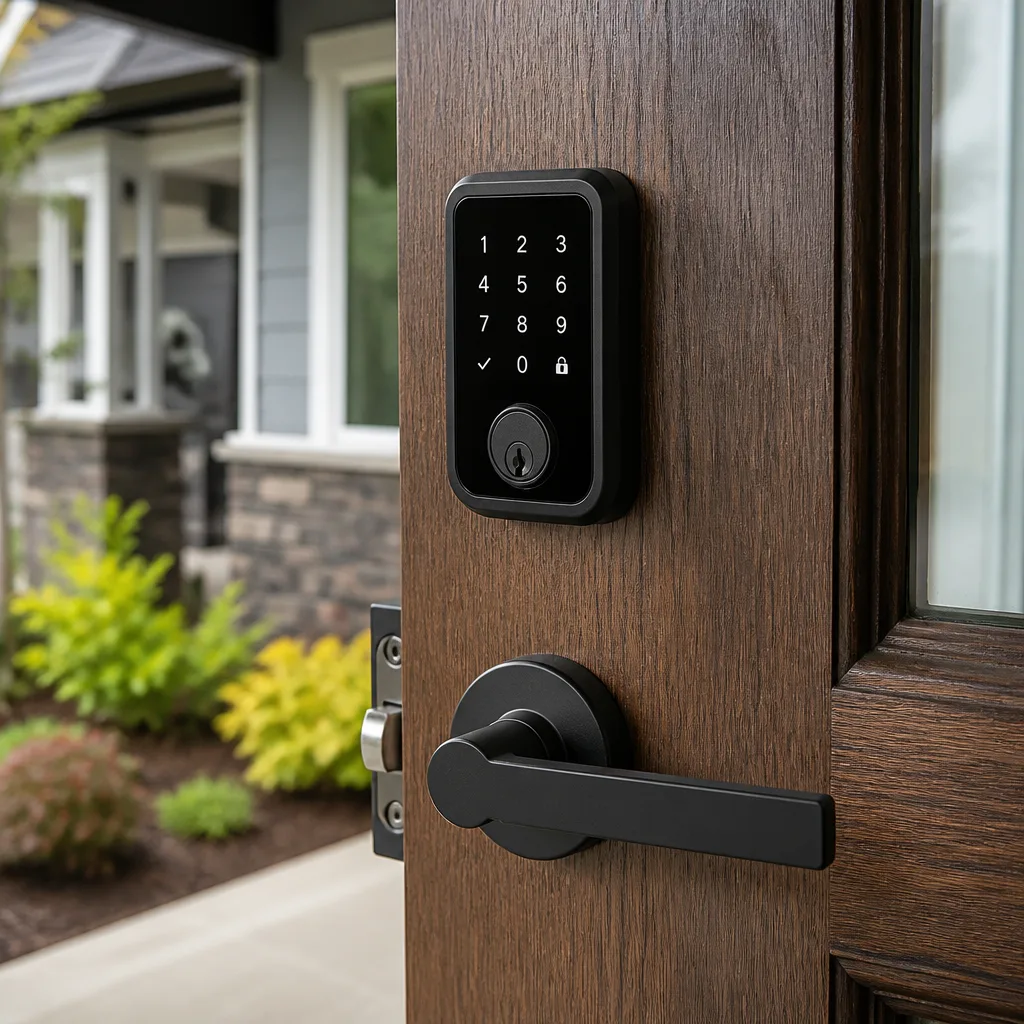 Smart locks
 House lockouts
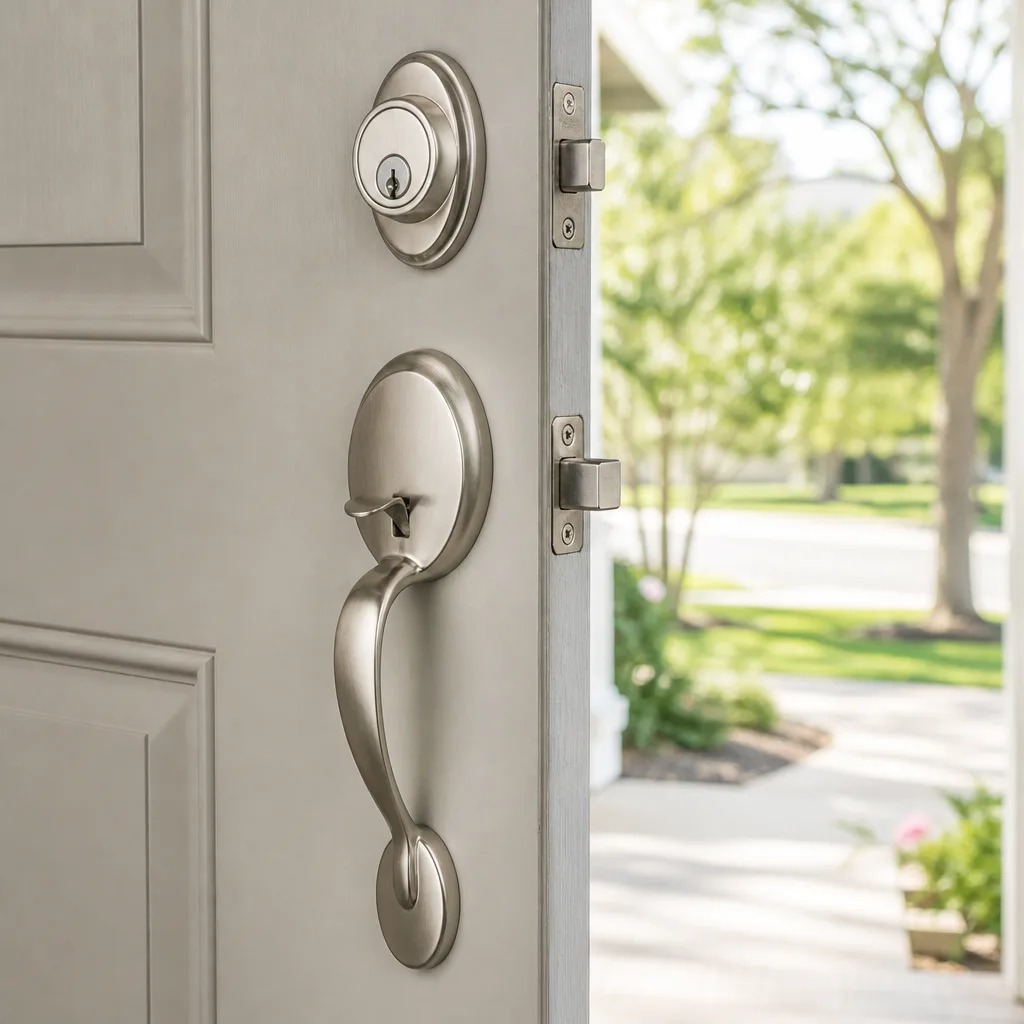 Re-keying
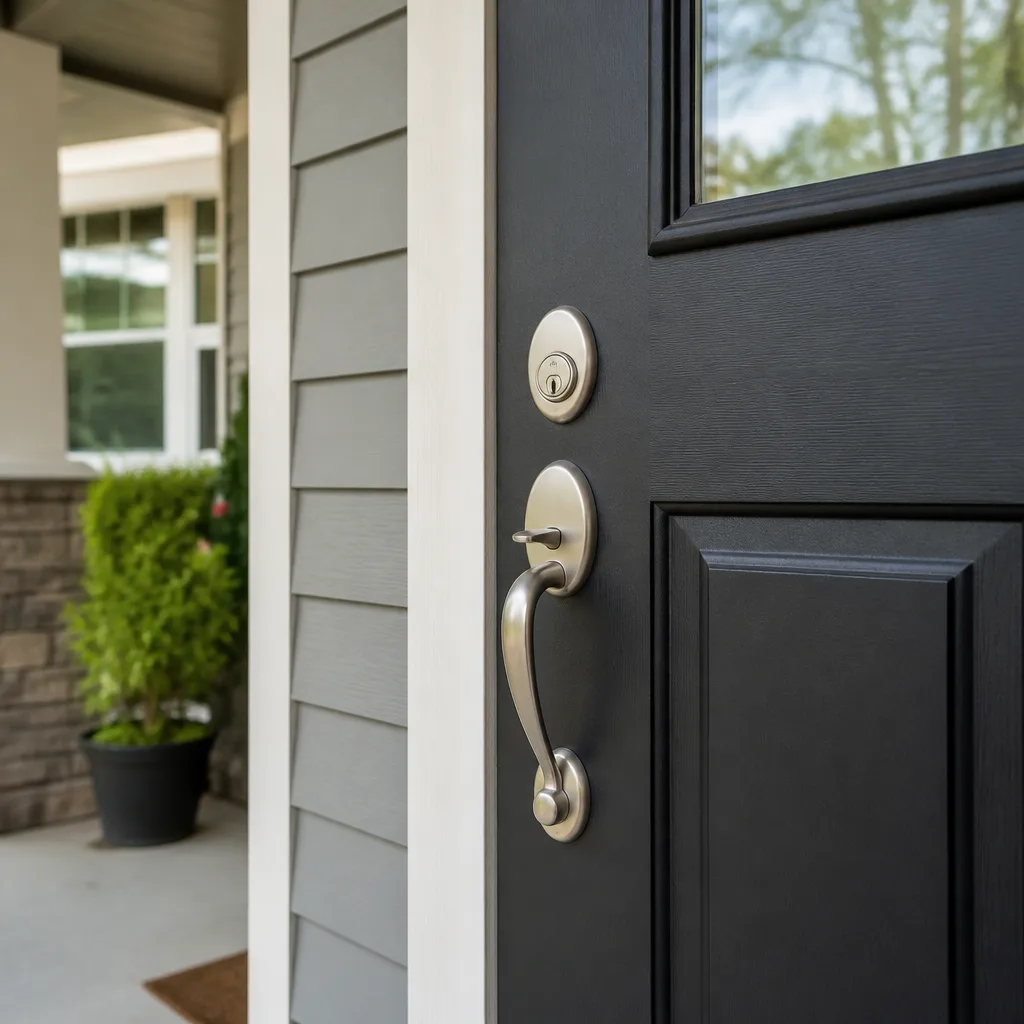
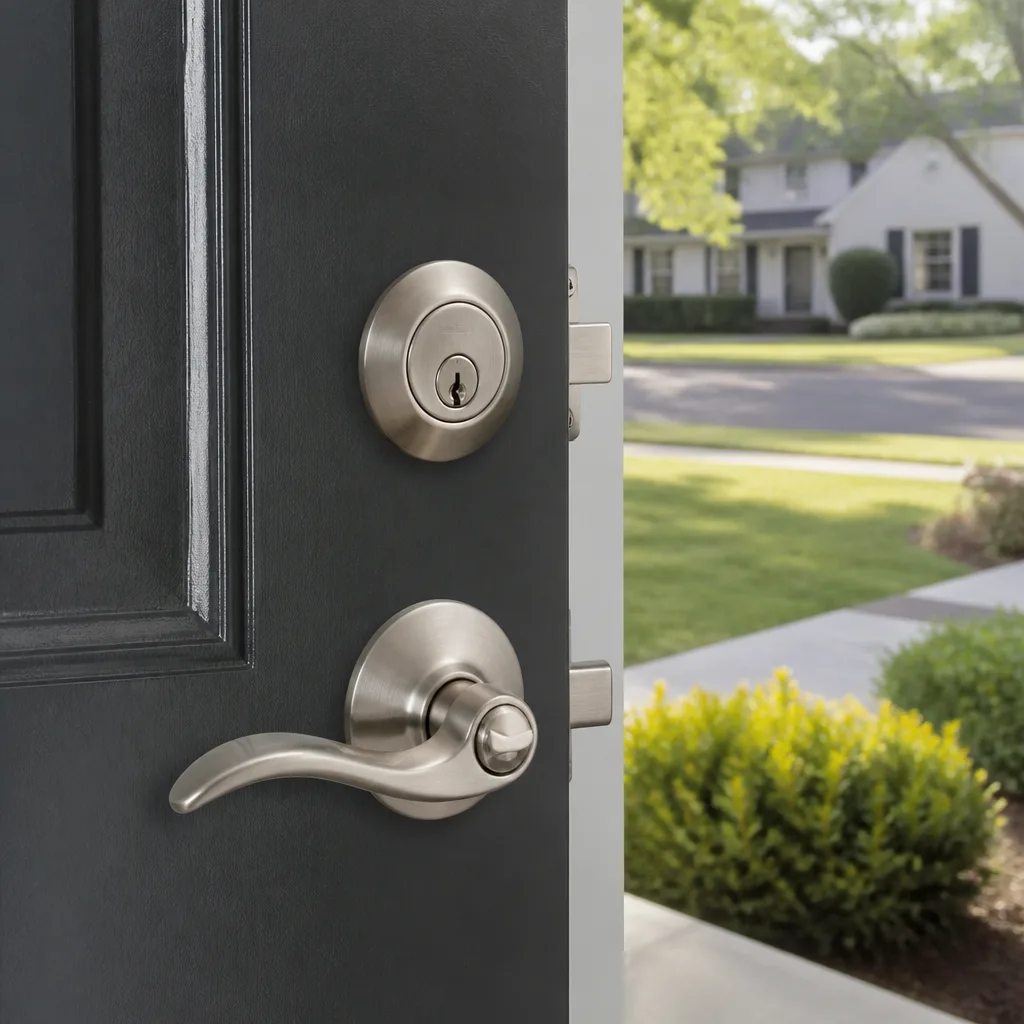 Deadbolt upgrades
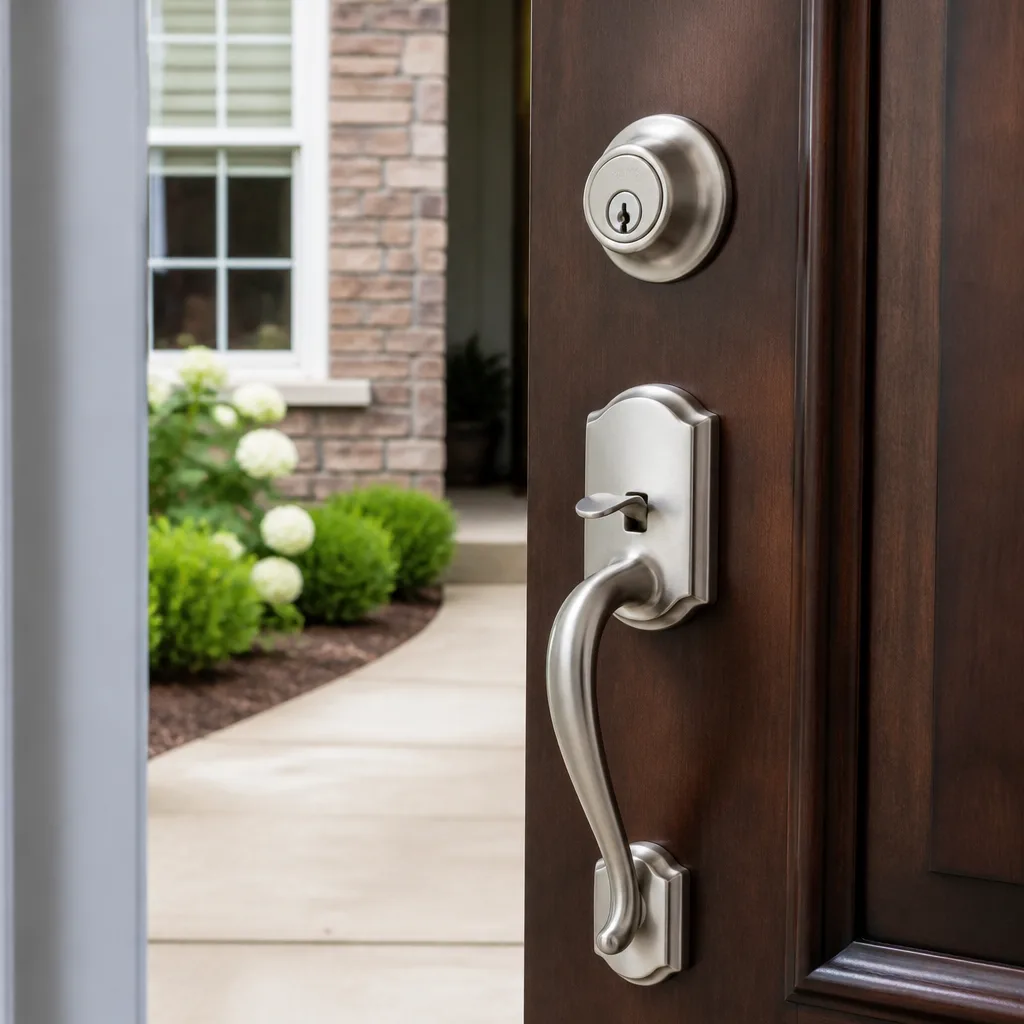 Schlage
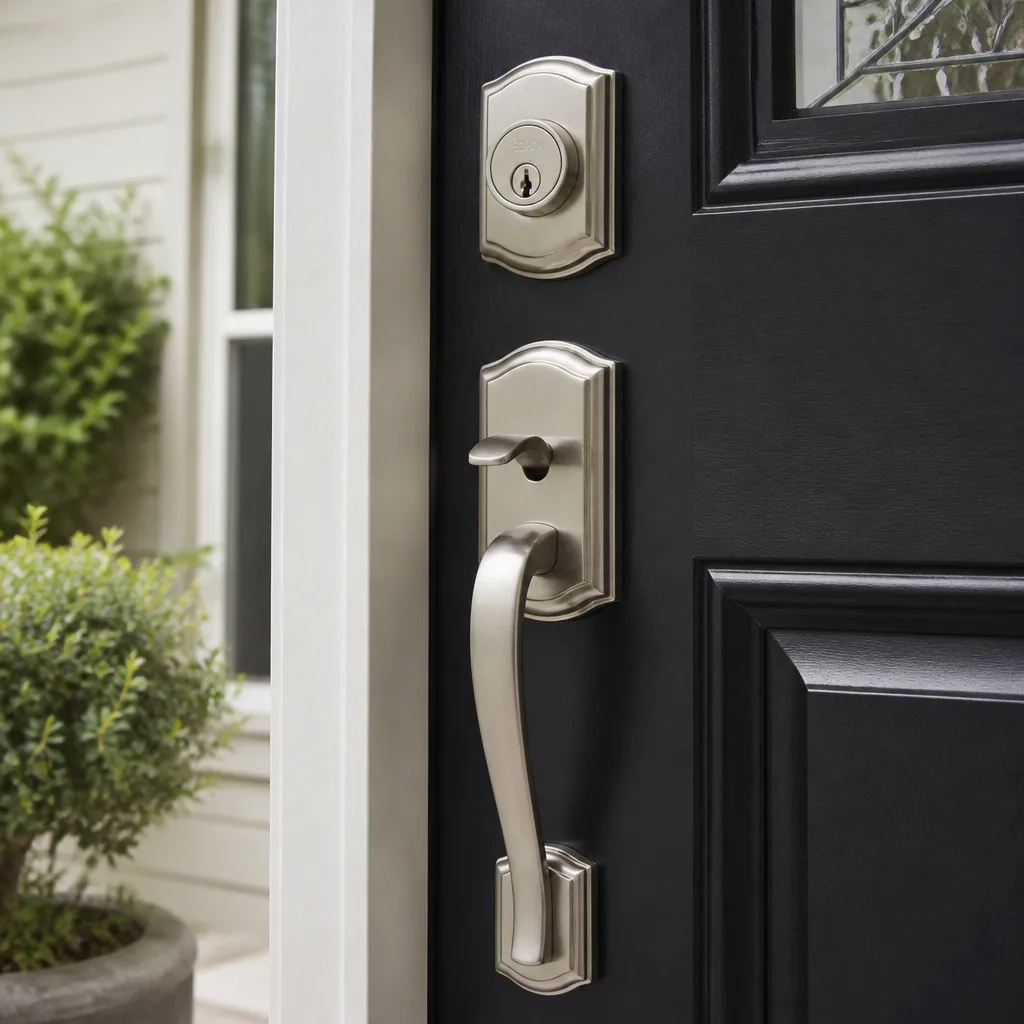 Kwikset
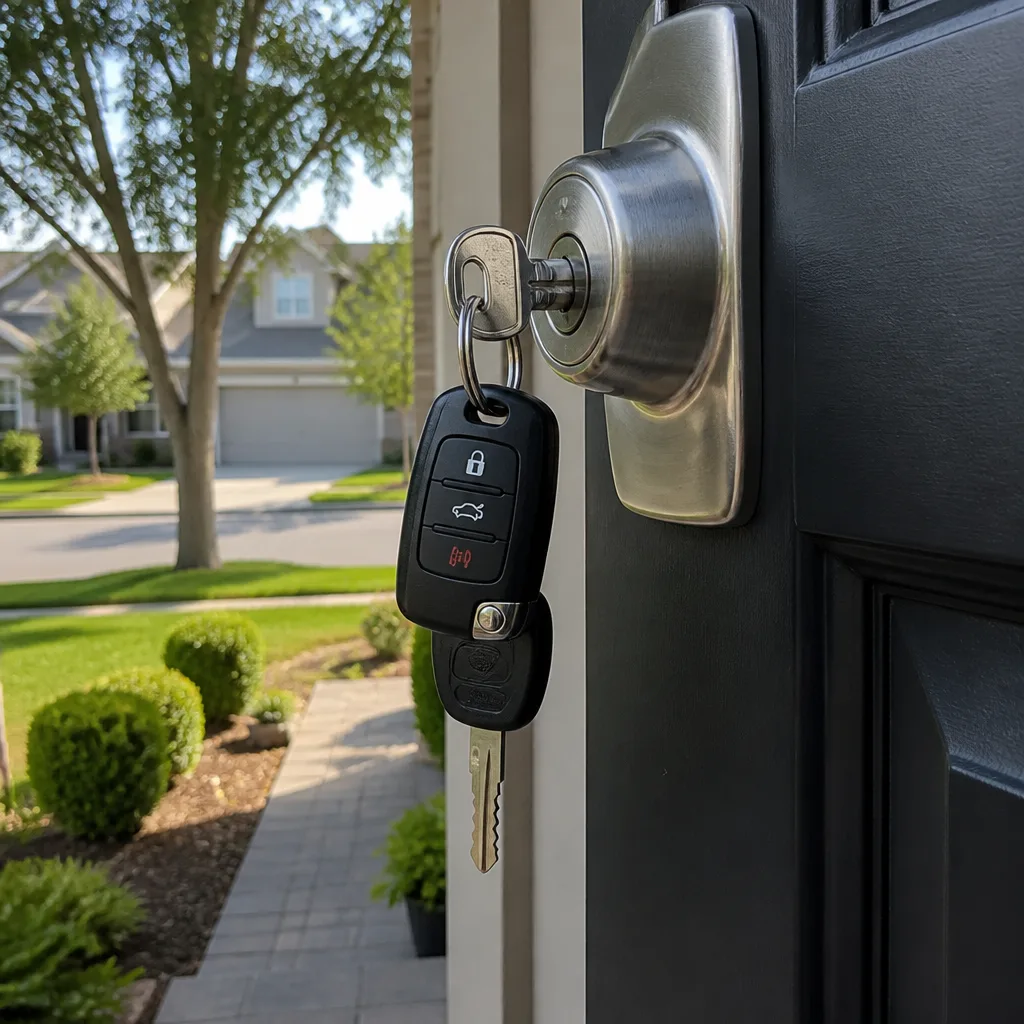 Car keys & fobs
Non-destructive entry first, always - and we re-key Schlage, Kwikset, and Baldwin locks on the spot while you watch
You get a price before we start. It does not change when we arrive. No surprises.
Get your free estimateDIY vs Professional Locksmith: The Mesa Homeowner’s Decision Guide
Most homeowners don’t discover their DIY lock project failed until the moment it matters most. A deadbolt that turns smoothly at noon on a Tuesday may not survive a shoulder test at 2 a.m. The uncomfortable truth is that residential locks in Mesa fail quietly. They don’t rattle, they don’t sag. They simply give way when force is applied, and the homeowner never saw it coming. This guide walks through the real decision framework: which lock tasks are genuinely safe for a competent DIYer, which ones carry hidden risks, and how Mesa’s specific climate, housing stock, and rental market shape that calculation.
Styles & brands we work with
Quick Answer
DIY is the right call for simple, reversible tasks like lubricating a lock cylinder, replacing a keypad battery, or swapping an identical interior knob. Professional work becomes necessary when the task involves door prep, cylinder alignment, strike plate anchoring, or any security-critical component where a mistake creates a vulnerability you cannot see from the outside. In Mesa, where summer heat warps door frames and many homes are rentals or resales, the threshold for calling a locksmith is lower than most homeowners assume. The decision is not about difficulty. It is about detectability of failure.
Table of Contents
- The Real Line Between DIY and Professional Work
- Tasks That Stay DIY
- The Deadbolt Installation Problem
- The Hidden Costs of DIY Lock Failures
- Mesa Climate and Housing Stock: Why It Changes the Math
- Rentals, Resales, and HOA Compliance
- Using a Locksmith Consultation Before You Decide
- Common Mistakes to Avoid
- When to Call a Professional
- Frequently Asked Questions
- The Bottom Line
The Real Line Between DIY and Professional Work
Most people think the DIY-versus-pro decision comes down to skill. It does not. It comes down to whether a failure is visible. If you install a shelf badly, you see the shelf tilt. If you wire an outlet incorrectly, the breaker trips. But if you install a deadbolt strike plate with short screws into drywall, the lock functions perfectly every single day until someone leans on the door. Then it fails without warning. That is the line. DIY lock work is appropriate when the consequence of an error is cosmetic or immediately detectable. Professional lock work is required when the consequence of an error is a security gap that remains hidden until an intrusion attempt reveals it.
We have rekeyed homes in Mesa where the previous DIY work looked fine from the outside. The deadbolt threw. The knob turned. The homeowner felt secure. Then we removed the hardware and found strike plates anchored with half-inch screws, cylinders misaligned by a few degrees, and door prep that had been enlarged with a chisel instead of a proper jig. None of this was visible during normal use. None of it would have stopped anyone. For a deeper look at how professional rekeying differs from hardware swapping, see our guide on Rekey Locks in Mesa.
Before you pick up a screwdriver, ask one question: if I get this wrong, will I know immediately? If the answer is yes, you can probably handle it. If the answer is no, you need at least a professional consultation before you start. That single question will save you more money and risk than any tutorial.
Tasks That Stay DIY
There is a category of lock work that genuinely belongs in the DIY column. These tasks are reversible, require no special tools, and cannot create a hidden security vulnerability when done incorrectly. Homeowners in Mesa should feel comfortable handling these without calling anyone.
Lock Lubrication
A dry lock cylinder causes sticking, stiffness, and eventually a broken key. Lubrication is a five-minute fix using graphite powder or a Teflon-based lubricant. Do not use WD-40. It attracts dust and leaves a residue that gums up the cylinder over time. This task cannot cause a security failure. Worst case, you use the wrong product and the lock needs cleaning, which a professional can handle quickly.
Keypad and Smart Lock Battery Replacement
Most electronic deadbolts in Mesa run on four AA batteries. When the keypad responds slowly or the low-battery indicator flashes, replace the batteries. This requires no disassembly and cannot compromise security. The mechanical key override continues to work regardless of battery state. One note: in Mesa’s summer heat, batteries drain faster than the manufacturer estimates. If your smart lock battery is dying every three months, that is the heat, not a defect.
Identical Knob or Lever Swaps
If you are replacing an interior passage knob with another knob of the same brand and model, the existing door prep matches. Two screws, a quick swap, done. The security implication is zero because passage knobs do not provide security. Where homeowners in Mesa get into trouble is trying to swap a passage knob for a locking knob, or a knob for a deadbolt. That is not a swap. That is a door prep project, and it falls on the other side of the line.
These three tasks cover most of what homeowners imagine when they think of DIY locksmithing. If your project fits in this list, you do not need us. We would rather tell you that honestly than sell you a service call you do not need. The Parkway Lock & Key home page explains more about what we do and what we will tell you not to pay for.
The Deadbolt Installation Problem
Deadbolt installation is the perfect trap. It looks easy. The instructions in the box are clear. The tutorial on your phone shows a confident person completing the whole job in less than twenty minutes. And mechanically, it is not hard. Drill two holes, chisel two recesses, screw it together. The problem is that the instruction manual and the tutorial are both teaching you how to make a deadbolt work, not how to make a deadbolt secure.
The security of a deadbolt depends on three things that tutorials either skip or mention in passing. First, the hole for the bolt must be exactly the right size. Too large and the bolt wobbles in the door, which reduces shear resistance. Too small and the bolt binds, which makes the lock feel secure when it actually is not fully thrown. Second, the strike plate on the door frame must be anchored with screws that reach the structural stud behind the jamb. A strike plate attached only to the door jamb is held by roughly three-quarters of an inch of soft pine. One firm shove pops it. That 3-inch screw is the entire difference between a deadbolt that holds a door and a deadbolt that decorates one. Third, the cylinder must sit straight in its bore. A misalignment of even a few degrees causes the tailpiece to bind, which means the lock may not fully throw even when the thumb turn is horizontal.
None of this is visible after installation. The deadbolt works. The key turns. The door locks from the inside. The homeowner walks away with the satisfaction of a job done. Then months later, someone applies force to the door and the strike plate tears out of the frame with a sound like firewood splitting. The deadbolt, now free of its strike, is doing nothing. We replace or rebuild these failures routinely across Mesa. The fix after the fact costs more than the professional installation would have cost in the first place.
The Hidden Costs of DIY Lock Failures
When a DIY lock project fails, the cost is rarely just the repair. Homeowners tend to calculate the savings of DIY against the price of professional install. They almost never calculate the cost of failure. A real example: a homeowner in Mesa decides to install a new deadbolt. A $40 lock, a borrowed drill, and a Saturday afternoon. The door prep goes slightly wrong. The hole is a quarter inch too large on one side. The homeowner installs the lock anyway. The bolt has play. Over six months, that play widens. The mechanism begins to bind. The key finally sticks so badly that the homeowner calls us in a panic at night, locked out. Now the bill includes the $40 lock that is now damaged, the lockout service call, and the repair to the door that requires a wrap plate or a new door edge bore.
Here is what DIY lock work actually costs when it goes wrong:
- Stripped screw holes in the door: When a homeowner overtightens the screws on a new deadbolt, the wood inside the bore strips. The fix is to redrill and insert a larger anchor or fill and rebore. Cost: $80 to $150 in repair labor, plus the original hardware may be unusable.
- Cracked door frames from strike plate blowouts: When a strike plate fails during a forced entry attempt, the door frame usually cracks. The repair requires a new jamb section or a steel reinforcement plate. Cost: $150 to $300. The emotional cost of a break-in is not measured in dollars.
- Misaligned cylinders that bind and break keys: A cylinder installed at an angle causes the key to wear unevenly. Eventually the key snaps in the lock. Extraction plus cylinder replacement runs $100 to $200.
- Enlarged bores from freehand drilling: Without a door jig, drill bits wander. The resulting hole is oversized or oval. The fix is a wrap plate, which is a visible piece of metal covering the mess, or a new door slab, which starts at $250 before finishing and paint.
The pattern holds across every category: the DIY savings disappear the moment the failure requires professional correction. And the failure rate is higher in Mesa than in cooler climates because the doors themselves are under more stress. Wood expands and contracts through our 110-degree summers and subsequent monsoon humidity cycles. A marginal installation that would hold in a mild climate fails here.
Mesa Climate and Housing Stock: Why It Changes the Math
Mesa is not a generic suburb. The climate here punishes doors and locks in ways that a national tutorial will never mention. Summer temperatures above 110 degrees are normal. Monsoon season dumps humidity into the air after months of extreme dryness. Door frames in Mesa homes, especially homes built before 1990, are often original wood that has cycled through thousands of expansion and contraction events. That means the door you are working on is not a stable surface. It moves. And anything you install has to accommodate that movement or fail over time.
Metal strikes and lock bodies handle heat differently than the wood around them. A metal bolt set into a wood door in Mesa’s summer will expand at a different rate than the door itself. If the bore was cut to exact tolerance in winter, the bolt may bind in summer. If the bore was cut loose to avoid binding, the lock has play now and more play later. Professional installers in Mesa know this and build in the right tolerance for the local temperature swing. A YouTube tutorial filmed in Ohio does not.
Housing age matters too. A significant portion of Mesa’s housing stock was built during two booms: the post-war suburban expansion and the late-1990s to mid-2000s construction surge. Both eras have their quirks. Pre-1990 homes often have solid wood doors that take a rebore well but may have non-standard backset measurements, which means the lock you bought at the box store will not fit without additional drilling. Post-1990 homes often have hollow-core doors and prefabricated frames that are easy to drill but have little structural strength behind the strike plate. Both situations demand different installation knowledge than the generic instructions in the lock package.
The net effect: Mesa’s climate and housing stock push more projects toward professional installation than a national average would suggest. What might be a safe DIY deadbolt install in Flagstaff is a riskier proposition in Mesa. The heat, the monsoons, and the age of the doors all work against the homeowner who does not account for them.
Rentals, Resales, and HOA Compliance
Mesa has a large rental market. Arizona State University’s Polytechnic campus and the broader East Valley economy draw tenants, which means a significant number of Mesa homes are either currently rented or eventually will be. That reality changes the lock calculus. A homeowner in a purely owner-occupied situation makes lock decisions for themselves alone. A landlord in Mesa makes lock decisions that affect tenant safety, liability, and turnover costs.
For landlords, DIY lock work is a liability trap. If a tenant is the victim of a break-in and a court later establishes that the deadbolt was improperly installed, the landlord faces exposure far beyond the cost of a professional install. Property managers in Mesa increasingly require professional lock installation and rekeying between tenants. We do that work regularly. The process of rekeying between tenants is straightforward when done correctly, and it is dramatically less expensive than replacing hardware. See our rekeying service page for details on how the process works.
Resale dynamics matter too. Home inspectors in Arizona do check locks as part of a standard inspection. A deadbolt that does not throw fully, a strike plate that is loose, or a door that does not latch properly becomes a line item on the inspection report. Buyers will negotiate a credit for lock repairs or ask for professional rekeying as a condition of sale. Sellers who DIY their lock work to save $100 before listing can easily lose $500 in the negotiation or delay closing over a lock that fails inspection.
HOA compliance in Mesa is another layer. Many Mesa communities, particularly newer developments and gated communities, have architectural standards that extend to door hardware. Visible lock changes, including smart locks that mount externally, may require HOA approval. Some HOAs in Mesa restrict the finish or style of exterior hardware. A homeowner who installs a bright brass deadbolt on a door that the HOA standards require to be oil-rubbed bronze will receive a compliance letter and a deadline to fix it. That means buying the hardware twice. Checking HOA rules before any exterior lock change costs nothing and avoids a second hardware purchase plus installation labor.
Using a Locksmith Consultation Before You Decide
The smartest move for a Mesa homeowner on the fence about a lock project is not to commit to either path. It is to get a professional opinion first. A consultation does not obligate you to hire anyone. It gives you the information you need to make a real decision instead of guessing.
Here is how the process works. You call a locksmith in Mesa and describe what you are trying to accomplish. A good locksmith will ask specific questions: what kind of door, what kind of existing hardware, what is the problem you are solving, and whether you have any HOA constraints. Based on those answers, the locksmith can tell you honestly whether the job is a reasonable DIY project or whether it carries risks you have not considered. In many cases, the answer saves you money either way. Sometimes the locksmith will tell you it is a $15 fix you can handle yourself. Other times the locksmith will identify a problem you did not know you had, like a door frame that has already cracked behind the strike plate.
We have had homeowners call us expecting to schedule a full rekey and leave with advice to simply lubricate their existing cylinders. We have also had homeowners call to ask about a simple knob swap and discover that their door frame needs structural reinforcement before any lock will function properly. The consultation is where the real value sits.
The key is to call before you buy hardware. Once you have drilled a hole or stripped a screw, your options narrow. Before you drill, everything is open. A ten-minute phone call can confirm whether you are on the right path or headed for a repair bill. For Mesa homeowners managing a rental turnover, a consultation is even more valuable because the stakes include tenant safety and legal exposure, not just hardware performance. Our emergency locksmith service is available when projects go sideways after hours, but the goal is to help you avoid the emergency in the first place.
Common Mistakes to Avoid
- Using short screws in the strike plate. The screws included with most deadbolt packages are half inch to three-quarter inch. They anchor into the jamb only. A 3-inch screw that reaches the structural stud is the single highest-impact upgrade for any deadbolt, and most DIYers never do it because the package does not mention it.
- Drilling without a door jig. Freehand drilling almost always produces an off-center or oversized bore. The lock may still install, but the cylinder binds over time and the key eventually breaks. A proper jig costs less than the repair. Some hardware stores rent them. If you are not willing to use one, hire the work out.
- Mixing brands without checking compatibility. A Kwikset key will not operate a Schlage cylinder, and some smart locks are not compatible with certain bolt styles. Homeowners in Mesa frequently buy a deadbolt based on finish and discover at home that it does not fit their existing bore or keyway.
- Assuming the door is square. After decades of Mesa heat cycles, many door frames have settled. A deadbolt installed into an out-of-square door will bind. The install looks fine for a month, then the key starts sticking. Adjusting the frame or the strike position is part of a professional install, and skipping it is a common DIY oversight.
- Rekeying with a kit without resetting the master pins. DIY rekey kits work for standard pin-and-tumbler locks when done correctly. The failure mode is a pin stack loaded out of order or a spring kinked during reassembly. The lock works with the new key, then jams weeks later. If you have never disassembled a cylinder before, practice on a spare lock, not your front door.
- Ignoring HOA exterior hardware rules. Mesa HOAs in planned communities enforce finish standards and sometimes restrict specific smart lock models. Installing first and checking later means buying twice.
When to Call a Professional
Call a locksmith when the project involves door prep, cylinder work, strike plate anchoring, or anything security-critical. Call when you are locked out, when a key has broken in a lock, when a tenant has moved out and keys are unaccounted for, when a door does not latch properly after years of heat cycles, and when you are upgrading from builder-grade hardware to a high-security brand like Medeco or Mul-T-Lock. These are not tasks where trial and error is acceptable. A professional lock installation or rekey in Mesa costs less than the repair of most DIY failures, and it leaves you with a lock that fails visibly if it fails at all. Parkway Lock & Key offers free estimates in Mesa. Call (877) 824-1139 and describe the job. We will tell you honestly if it is something you can handle yourself.
Frequently Asked Questions
Professional locksmith service in Mesa typically ranges from $75 to $250 depending on the job. Rekeying a standard lock usually falls at the lower end of that range, while deadbolt installation, lockout service, and commercial or high-security work run higher. Every job is quoted in full on the phone before anyone is dispatched, and the price on the quote is the price on the invoice. There are no arrival fees or surprise add-ons. Call (877) 824-1139 for an exact quote on your specific job.
You can rekey standard pin-and-tumbler locks with a DIY kit if you have patience and a willingness to learn the mechanism. The kit costs about $15 to $25. The risk is not the cost of the kit. It is the possibility of loading a pin stack incorrectly and creating a lock that fails weeks later. If you have a spare lock to practice on and are comfortable with small parts, DIY rekeying is reasonable. If you have one front door and no room for error, professional rekeying is the safer call. See our Rekey Locks in Mesa page for how the pro version works.
Arizona law allows tenants to change locks with landlord permission, and landlords may change locks at any time as long as they provide new keys to tenants. Between tenants, Mesa landlords routinely rekey or replace locks to prevent previous tenants from accessing the property. Professional rekeying creates a documented key history and eliminates the risk of unreturned copies. The work is fast and far less expensive than replacing all the hardware.
The best deadbolt for a Mesa home depends on the door, the frame condition, and the security level you need. For most homeowners, a Grade 1 or Grade 2 deadbolt from Schlage or Baldwin with a reinforced strike plate and 3-inch screws is appropriate. For higher-value properties or commercial use, brands like Medeco, Mul-T-Lock, and Yale provide restricted keyways and drill resistance that standard consumer locks do not. The lock matters less than the installation. A well-installed mid-grade deadbolt outperforms a premium deadbolt installed poorly. We service across the spectrum from Kwikset to Medeco, so the hardware question is one we answer daily.
A standard deadbolt installation takes 30 to 60 minutes when the door is in good condition and the hardware is ready. Rekeying a single lock takes 15 to 30 minutes. A full home rekey of three to five locks typically takes under two hours. If the door frame needs repair or the bore is non-standard, the job takes longer. A pro will tell you the timeline before starting.
Yes. Car key replacement in Mesa is available for most makes and models, including transponder keys and key fobs, without a dealership visit. The cost runs meaningfully below dealer pricing and the turnaround is typically same day or next day depending on the key type and programming requirements. See our Car Key Replacement in Mesa page for specifics. Having car key and home lock capability under one roof means one call handles both when your key ring has a bad day.
The Bottom Line
The DIY versus professional locksmith decision is not about whether you can do the job. It is about whether you can detect the failure the job leaves behind. Lubricate your locks, change your smart lock batteries, and swap identical interior knobs without a second thought. For deadbolts, rekeying, door prep, strike plate work, and anything involving high-security hardware, the cost of getting it wrong is paid later, at the worst possible moment. Mesa’s heat, housing stock, and rental market make professional work more clearly rational here than in milder climates. Get a consultation before you drill. The phone call is free, and it usually saves you one of two things: money you did not need to spend, or a failure you did not see coming.
Call Parkway Lock & Key at (877) 824-1139 for a free estimate on any lock project in Mesa. We can tell you honestly whether the job belongs in your hands or ours.
Written by the team at Parkway Lock & Key, serving Mesa since 2014.