
Last updated October 30, 2026
 Smart locks
 House lockouts
 Re-keying
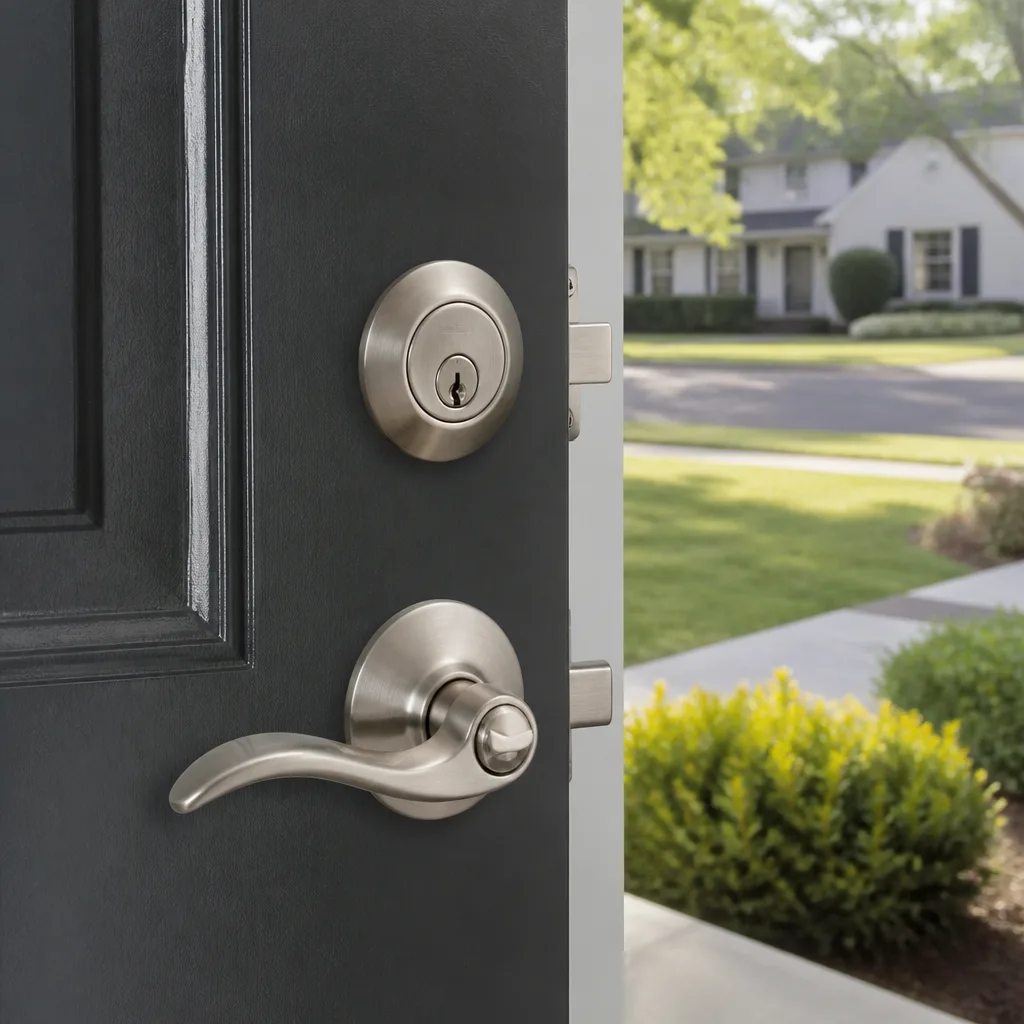 Deadbolt upgrades
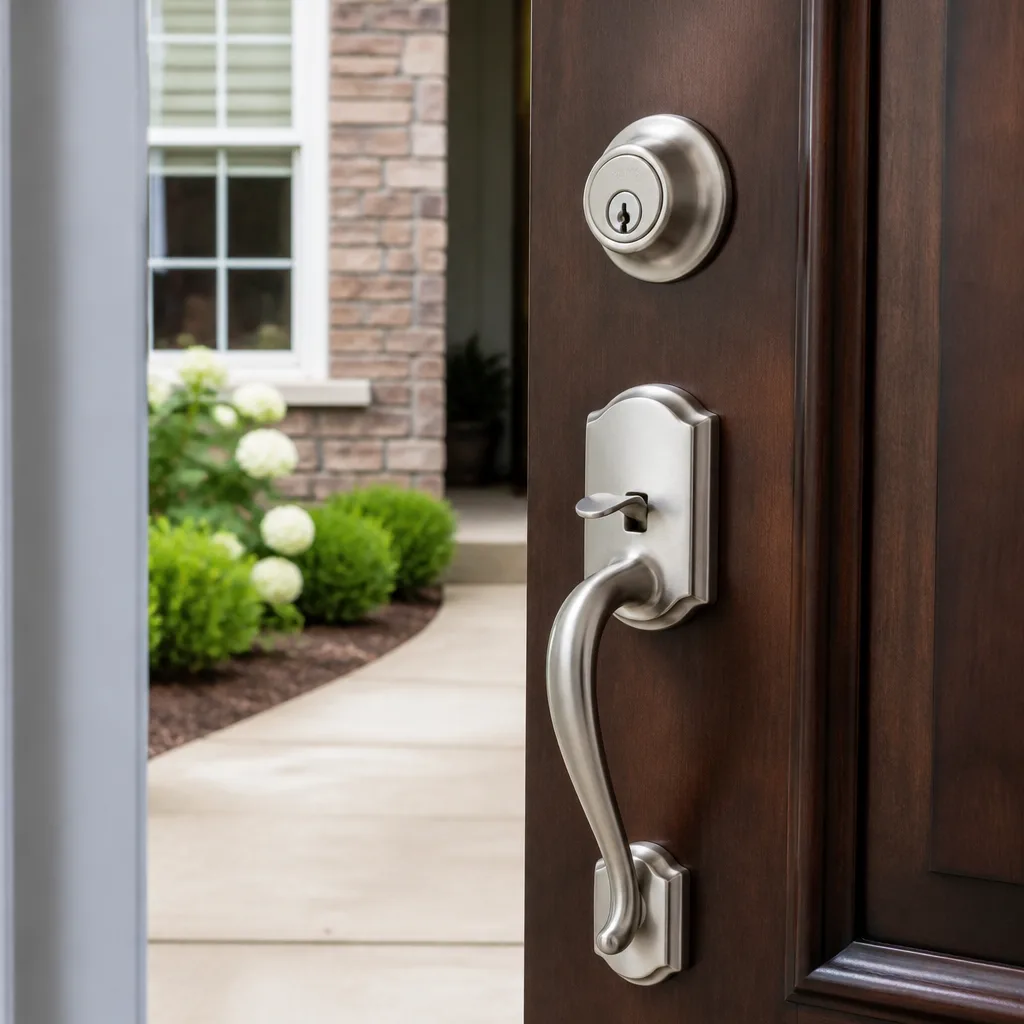 Schlage
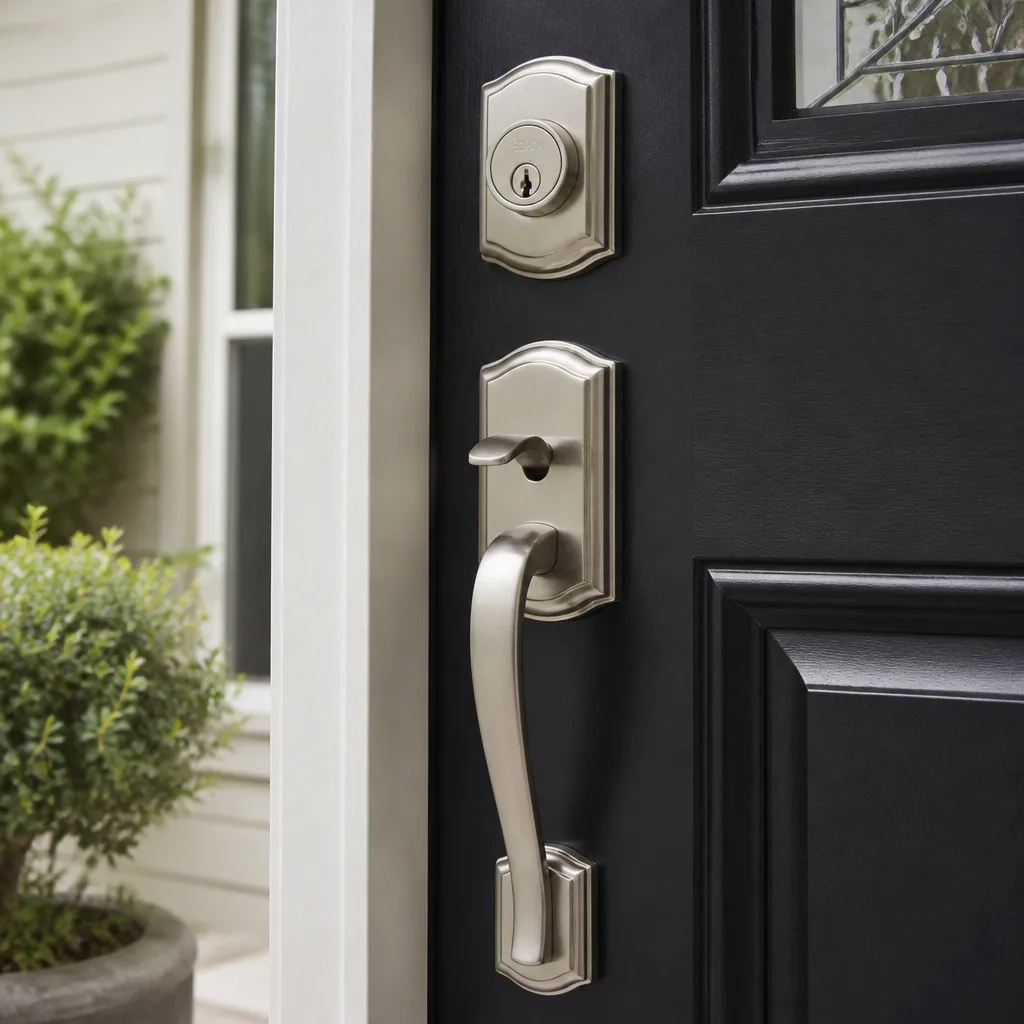 Kwikset
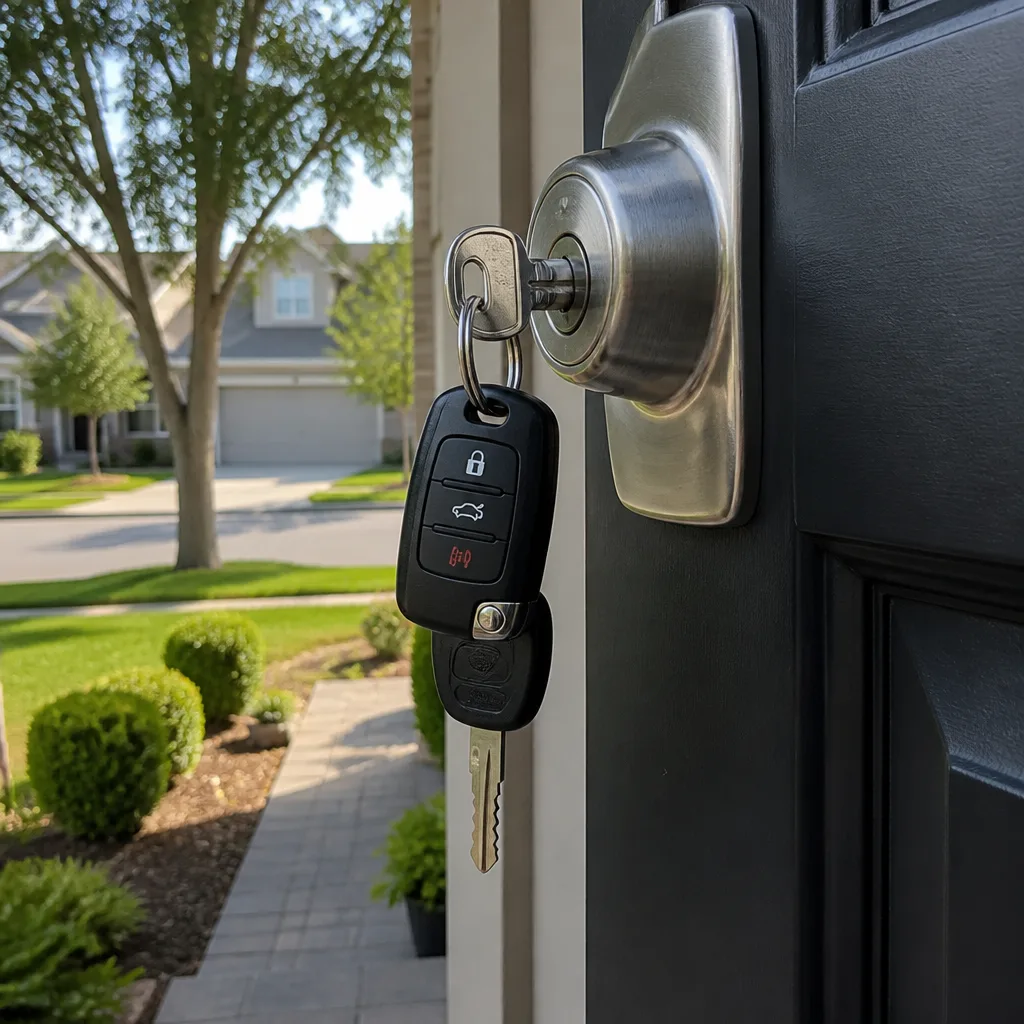 Car keys & fobs
Non-destructive entry first, always - and we re-key Schlage, Kwikset, and Baldwin locks on the spot while you watch
You get a price before we start. It does not change when we arrive. No surprises.
Get your free estimateChoosing the Right Locksmith Brand: A Buyer’s Guide for Mesa
The most popular deadbolt brand sold at big-box home improvement stores is rated Grade 3, the lowest residential security classification, yet it accounts for the majority of locks installed on Mesa homes right now. That gap between what is convenient to buy and what actually protects a home is costing Mesa homeowners more than they realize, and it starts with a simple misunderstanding about what the brand name on a lock really means. This guide explains the three tiers of residential lock quality, how the major brands differ in ways the packaging never mentions, and why Mesa’s climate makes some hardware choices smarter than others. For a deeper dive, see The Complete Guide to Locksmith in Mesa. By the end, you will know exactly what to ask for when you upgrade your locks, and you will understand why the brand printed on your deadbolt matters more than the skill of the person installing it.
Quick Answer
The best lock brand for your Mesa home depends on your security needs and budget, but most homeowners make the mistake of choosing hardware based on name recognition rather than ANSI/BHMA grade rating. Schlage and Baldwin offer dependable residential locks with grade ratings that hold up to real forced-entry attempts, while high-security brands like Medeco and Mul-T-Lock deliver protection that goes well beyond what standard retail hardware provides. Before you buy anything, understand that a Grade 3 lock fails in under two minutes against a basic prying attack, while a Grade 1 lock withstands ten times that punishment.
Styles & brands we work with
Table of Contents
- ANSI/BHMA Grades Explained in Plain Language
- Consumer Brands Compared: Schlage, Kwikset, and Baldwin
- When High-Security Brands Make Sense for Mesa Homes
- How Mesa Heat Affects Lock Hardware by Brand
- Smart Locks and Physical Security: What to Look For
- Rekey vs. Replace: The Decision Most Buyers Skip
- Common Mistakes to Avoid
- When to Call a Professional
- Frequently Asked Questions
ANSI/BHMA Grades Explained in Plain Language
Every residential lock sold in the United States carries a grade rating from the American National Standards Institute and the Builders Hardware Manufacturers Association. This grade is not a marketing label. It reflects how many cycles the lock survived in a testing machine, how much force the deadbolt withstood before failing, and how long the mechanism continued operating after being struck repeatedly. The three grades tell you everything about what a lock will do when someone actually tries to break through it, and understanding them changes how you shop.
Grade 3: The Baseline That Most Mesa Homes Have
Grade 3 locks are rated to withstand two strikes of a specified weight and about 200,000 open-and-close cycles. In real terms, a Grade 3 deadbolt fails against a crowbar or a hard kick in under two minutes. These locks dominate the shelves at big-box retailers because they are inexpensive to produce and priced to move in volume. Many homes in Mesa neighborhoods built during the housing boom years have Grade 3 hardware on every exterior door. The lock works fine for daily use, but it is not a meaningful barrier against someone who wants in.
Grade 2: The Midpoint That Most Buyers Should Consider
Grade 2 locks withstand five strikes and roughly 400,000 cycles. The steel components inside are thicker, the deadbolt throw is longer, and the mounting hardware is reinforced. A Grade 2 deadbolt resists prying and kicking for several minutes longer than a Grade 3, which is often enough time for a neighbor to notice something wrong or for a security camera to capture what is happening. For most Mesa homeowners, Grade 2 is the sweet spot between cost and meaningful protection.
Grade 1: The Commercial Standard Available to Homeowners
Grade 1 locks endure ten strikes and a million cycles. These are the locks specified for commercial buildings, government facilities, and any door that must hold under a sustained attack. A Grade 1 deadbolt does not fail to a crowbar in any reasonable timeframe. Homeowners who choose Grade 1 hardware are buying the same protection that a bank uses on its entry doors. The price is higher, but the hardware lasts decades and survives Mesa’s climate without the internal degradation that eats cheaper locks.
Quick Answer: Grade 3 is minimal, Grade 2 is sensible, Grade 1 is the ceiling. The brand on the box matters less than the grade stamped inside it.
Consumer Brands Compared: Schlage, Kwikset, and Baldwin
The three brands most Mesa homeowners recognize from the hardware store aisle are not equal, even when they sit on the same shelf at the same price point. Each company builds locks differently, and those differences show up in how the lock feels after five years of Arizona sun and how it holds up when someone tries to force the door.
Schlage: The Dependable Workhorse
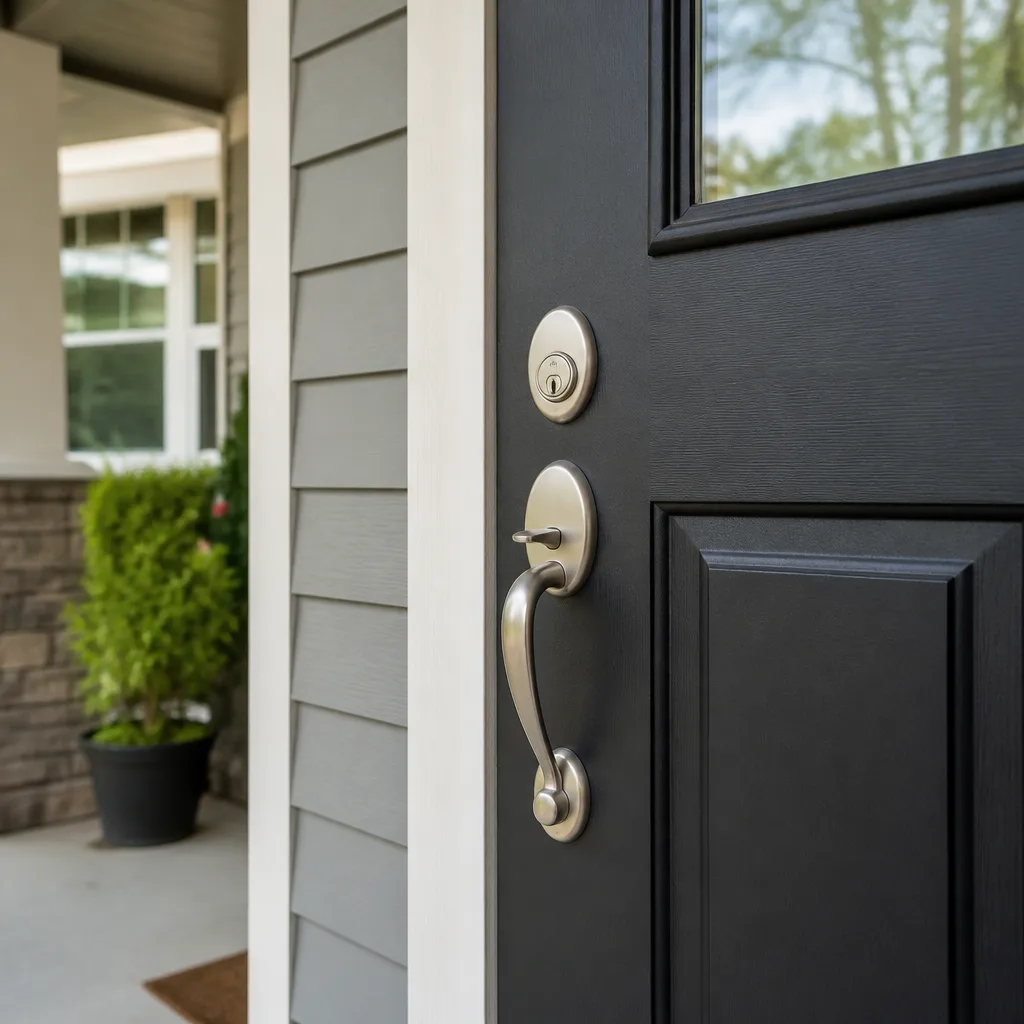
Schlage locks are built with solid brass and steel internals across most of their product line, including the entry-level models. The brand carries a strong reputation among locksmiths because the mechanisms are straightforward to service and the tolerances are consistent. A Schlage deadbolt with a Grade 1 or Grade 2 rating delivers exactly what the label promises. In our experience working on Mesa homes, Schlage hardware holds up better than most under prolonged UV exposure because the cylinder components resist heat expansion better than cheaper alloys.
Kwikset: Convenient but Lighter Inside
Kwikset’s SmartKey system lets homeowners rekey their own locks in seconds without removing the hardware from the door. That convenience has made the brand a fixture in rental properties and apartment complexes across Mesa. The trade-off is internal build quality. Many Kwikset models use lighter internal components than comparable Schlage hardware, and the SmartKey mechanism adds a layer of complexity that can fail over time, especially in dusty desert conditions. For a landlord who needs to rekey between tenants frequently, Kwikset makes sense. For a homeowner looking for a single long-term lock installation, we typically guide people toward Schlage or Baldwin instead.
Baldwin: Premium Residential Hardware
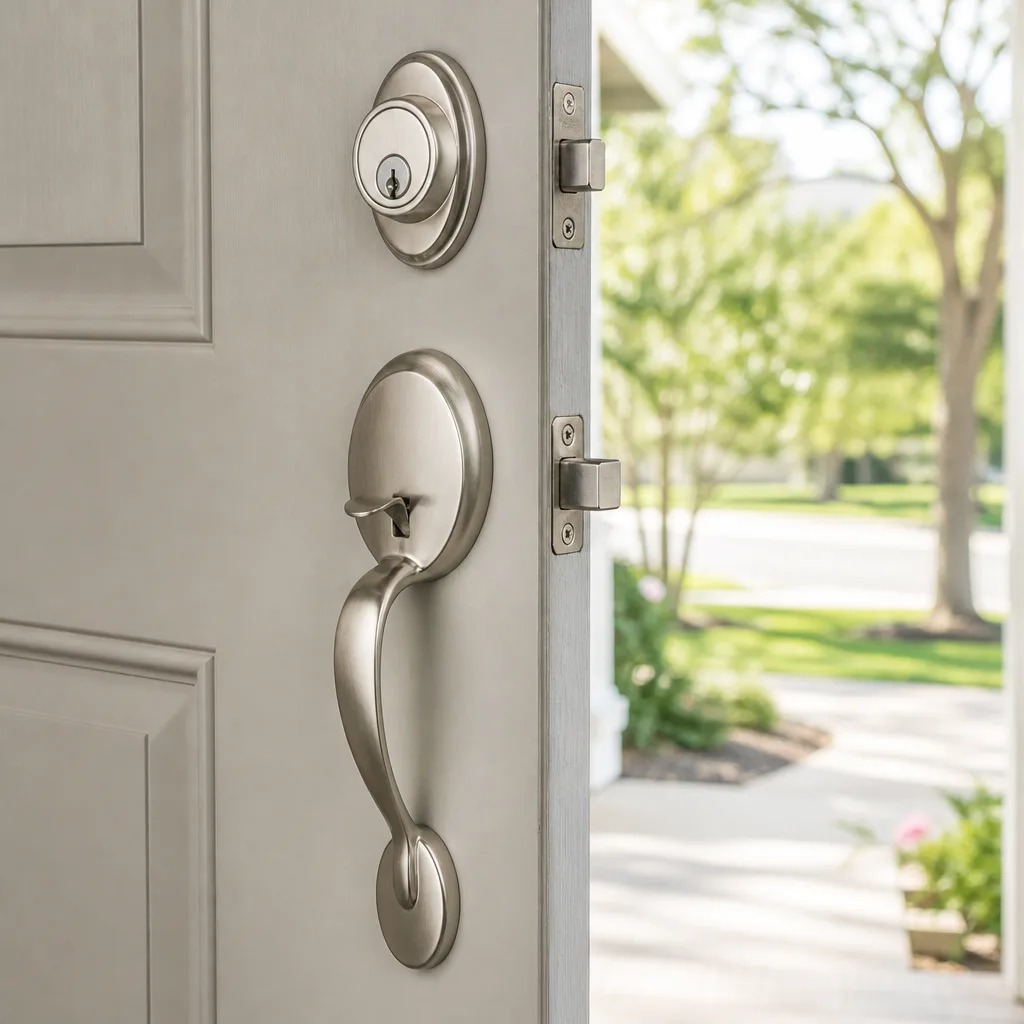
Baldwin occupies the top of the residential market. Their locks are heavier, the finishes are thicker, and the internal components are machined rather than stamped. A Baldwin deadbolt is built to last decades, and the brand carries aesthetic weight that matters for higher-end Mesa homes in areas like Las Sendas or Red Mountain Ranch. Baldwin hardware requires brand-specific knowledge to service correctly, and we carry the training and tooling to work on these locks without damaging the finish or the internal mechanism.
When High-Security Brands Make Sense for Mesa Homes
Most homeowners never encounter Medeco, Mul-T-Lock, or Abloy because these brands are sold through locksmith channels, not retail shelves. That does not mean they are overkill for residential use. For certain Mesa homeowners, a high-security lock is the single smartest security purchase available.
What High-Security Locks Actually Do
High-security cylinders resist picking, bumping, and drilling. The key blanks are patented and controlled, which means no one can walk into a hardware store and copy your key. Medeco keys require a special card and authorized dealer verification before duplicates can be cut. Mul-T-Lock uses a telescoping pin system that makes the lock dramatically harder to pick. Abloy builds disc-detainer cylinders that defeat nearly every conventional picking tool on the market. These brands earn their place on the door of a homeowner who stores firearms, runs a home business with valuable inventory, or lives alone in a remote part of Mesa where a break-in could go unnoticed for hours.
Cost vs. Security Upgrade
A high-security deadbolt from Medeco or Mul-T-Lock typically costs between $150 and $400 installed, compared to $40 to $120 for a Grade 2 consumer deadbolt. The security upgrade is not incremental; it is categorical. A burglar who defeats a Kwikset in under a minute will not defeat a Mul-T-Lock in any realistic timeframe. For a property manager in Mesa handling multiple rentals, specifying high-security hardware on select doors is a defensible investment that reduces liability and lock replacement costs over time.
Key Takeaway: If your lock protects something irreplaceable or you need key control that prevents unauthorized duplicates, high-security brands are not extravagant. They are the correct tool for the job.
How Mesa Heat Affects Lock Hardware by Brand
Mesa summers put lock hardware through conditions that most manufacturers test in accelerated aging chambers but rarely see in real-world installations. Ambient temperatures above 110 degrees, direct sun on west-facing doors, and fine desert dust combine to degrade materials differently depending on the brand and the metal composition.
What Happens to Locks in Prolonged Heat
The most common failure we see in Mesa is cylinder seizure. Cheaper locks use zinc alloy internal components that expand at a different rate than the brass or steel housing. Over successive heat cycles, the tolerances widen and the lock becomes sloppy, or the components bind and the key stops turning smoothly. Locks from Kwikset’s lower lines show this degradation first, sometimes within three to five years on a door that catches afternoon sun. Schlage’s brass components hold dimensions better. Baldwin and high-security brands like Medeco and Abloy are built with tighter tolerances and higher-grade alloys that shrug off the heat entirely.
Finish Degradation by Material
Satin nickel and polished brass finishes fade and pit under intense UV exposure. Oil-rubbed bronze holds its color longer, and powder-coated black finishes on some Baldwin models resist the Mesa sun better than any bright metal finish. If you are choosing hardware for a west-facing door, select a matte or dark finish and avoid polished brass, which shows oxidation fastest in this climate. The brand matters less than the underlying material: solid brass holds up, zinc alloy does not, and steel without proper coating rusts where the finish wears thin.
Smart Locks and Physical Security: What to Look For
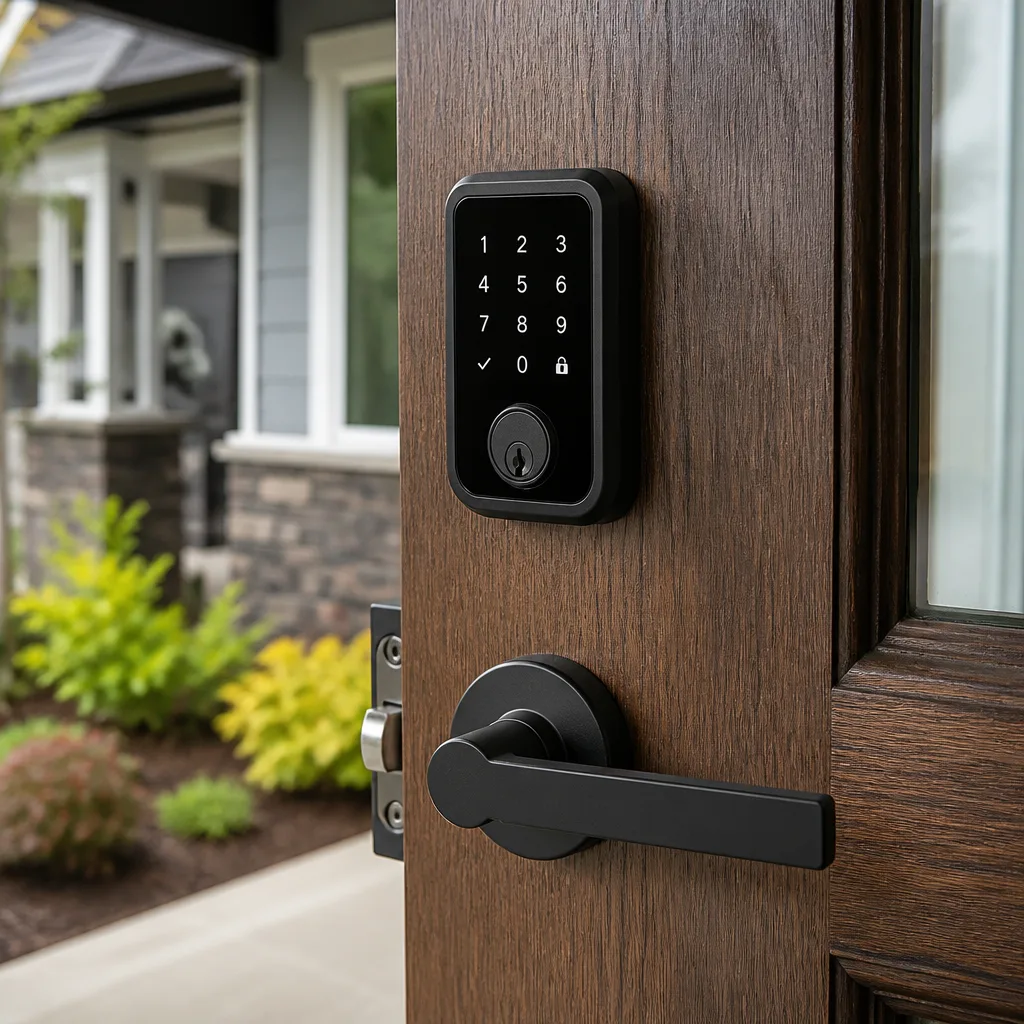
Smart locks add convenience, but they do not automatically add security. Many smart deadbolts on the market today are built on Grade 3 physical platforms, which means the advanced electronics sit inside a lock body that fails to a crowbar just as fast as the cheapest deadbolt at the hardware store. That is the compromise most buyers do not realize they are making.
Physical Grade Comes First
Before you consider Wi-Fi connectivity, app integration, or keypad access, check the ANSI/BHMA grade on the smart lock. Schlage’s smart deadbolts carry Grade 1 or Grade 2 ratings depending on the model. Kwikset’s smart locks are generally Grade 2. Baldwin offers smart options in premium finishes with solid hardware underneath. If a smart lock does not list its grade rating, assume it is built on a Grade 3 platform and treat it accordingly.
Integration Without Compromise
Most smart locks from the major residential brands integrate with Apple HomeKit, Google Home, Amazon Alexa, and Z-Wave or Zigbee hubs. The integration matters less than the lock’s behavior when the network goes down. A good smart lock retains all local access codes and continues functioning as a regular keyed deadbolt if the internet drops. A poor one locks you out or, worse, leaves the door unlocked. Ask before you buy whether the lock stores codes locally or requires a cloud connection for every unlock.
Quick Answer: Buy a smart lock with a Grade 1 or Grade 2 ANSI rating, local code storage, and a physical key override. Skip any smart lock that hides its grade rating.
Rekey vs. Replace: The Decision Most Buyers Skip
When a homeowner loses a key or buys a new home, the instinct is to replace the locks. In most cases, rekeying is the smarter move. Rekeying changes the internal pins so the old key no longer operates the lock, and the cost runs significantly lower than buying new hardware. The existing lock stays in place, preserving the finish and the fit.
When Rekeying Makes Sense
- You just bought a home in Mesa and do not know who else has copies of the existing keys.
- You lost a key and want to invalidate the missing key without changing the hardware.
- You have multiple locks from the same brand and want a single key that operates all of them.
- Your locks are in good mechanical condition and you are satisfied with their security grade.
When Replacement Is Required
- The lock is a Grade 3 and you want to upgrade to Grade 1 or Grade 2 protection.
- Internal components are worn from years of Mesa heat and dust.
- You are moving to high-security hardware that requires new cylinders and key blanks.
- The finish is degraded and the lock no longer looks acceptable on the door.
At Parkway Lock & Key, rekeying in Mesa is one of the three services we offer most often, and we will tell you honestly which option fits your situation. In many cases, rekeying a Schlage or Baldwin lock costs a fraction of replacement and delivers the same security outcome.
Common Mistakes to Avoid
- Buying on brand recognition alone. A familiar name on the box does not guarantee a high ANSI grade. Check the grade stamp before you check out.
- Ignoring the west-facing door problem. Mesa sun destroys finishes and seizes cheap cylinders faster than any other factor. Choose solid brass internals and matte finishes for doors that catch afternoon heat.
- Assuming smart locks are secure locks. Many smart deadbolts sit on Grade 3 platforms. The electronics do not help when someone takes a crowbar to the door.
- Skipping rekeying after moving in. New home, old keys. You have no idea how many copies of that key exist. Rekey immediately after closing.
- Buying high-security locks without checking key control. A Medeco or Mul-T-Lock cylinder is only as secure as the key duplication process. Make sure your locksmith is authorized to cut controlled keys.
- Installing without checking door alignment. A Grade 1 deadbolt on a misaligned door fails faster than a Grade 3 on a solid frame. Check the strike plate and door fit before upgrading hardware.
When to Call a Professional
Some lock decisions are simple enough to make over a cup of coffee. Others require a trained eye and the right tools. Call a professional when you are locked out of your home or vehicle in Mesa, when you need car key replacement without dealership pricing, when you are upgrading to high-security cylinders from Medeco, Mul-T-Lock, or Abloy, or when your existing lock has seized from heat and dust. A locksmith who understands the hardware can tell you within minutes whether rekeying or replacing is the better value. Parkway Lock & Key offers free estimates in Mesa, call (877) 824-1139.
Frequently Asked Questions
Schlage and Baldwin offer the best combination of build quality, ANSI grade rating, and long-term durability for Mesa’s heat. For homeowners who need key control or maximum forced-entry resistance, Medeco and Mul-T-Lock are the right upgrade.
Standard Grade 2 deadbolts from Schlage or Kwikset run $40 to $120 per lock installed. Baldwin hardware costs more due to premium materials and finishes. High-security cylinders from Medeco or Mul-T-Lock typically run $150 to $400 per lock. Call us at (877) 824-1139 for a free estimate based on your specific doors and hardware.
For landlords who rekey between tenants, Kwikset’s SmartKey system is faster and cheaper to reset. For long-term durability and fewer service calls, Schlage hardware holds up better. Each has a role depending on how often you turn the unit.
You do not need to replace the hardware, but you should rekey every exterior lock immediately. Rekeying invalidates all previous keys while keeping your existing hardware in place, and it costs a fraction of full replacement.
If you store valuables, run a home business, or want controlled key duplication that prevents anyone from copying your key without authorization, yes. The protection difference between a Grade 3 retail lock and a Medeco or Mul-T-Lock cylinder is not marginal; it is categorical.
Prolonged temperatures above 110 degrees cause cheap zinc alloy internals to bind and seize over time. Solid brass components in Schlage, Baldwin, and high-security brands hold dimensional stability much longer. West-facing doors with direct afternoon sun show the fastest degradation.
The Bottom Line
The brand printed on your deadbolt sets the ceiling for how well that lock protects your Mesa home, and most of the locks currently installed on Mesa doors carry the lowest residential security grade on the market. Upgrading to a Grade 2 or Grade 1 deadbolt from Schlage or Baldwin is the single most cost-effective security improvement available to a homeowner, and high-security brands like Medeco, Mul-T-Lock, and Abloy extend that protection further when the stakes justify it. Mesa’s climate punishes cheap hardware, so choose solid brass internals and matte finishes, and rekey before you replace unless the existing lock is too weak to keep. When you are ready to make a change, we can help you sort through the options and install the right hardware the right way. Call Parkway Lock & Key at (877) 824-1139 for a free estimate.
Learn More About Parkway Lock & Key Services
For more information on what we do across Mesa, visit our Parkway Lock & Key home page, or explore car key replacement in Mesa and our emergency locksmith service in Mesa.
Written by the team at Parkway Lock & Key, serving Mesa since 2014. Explore more guides & resources from our team.
What happens when you call
- 1
A real person answersNo phone trees — you reach a local pro.
- 2
You get an upfront price rangeHonest numbers before anyone is dispatched.
- 3
A background-checked tech heads outLicensed & insured, dispatched right away.
- 4
You approve before work beginsNothing starts until you say go.