

Last updated October 30, 2026
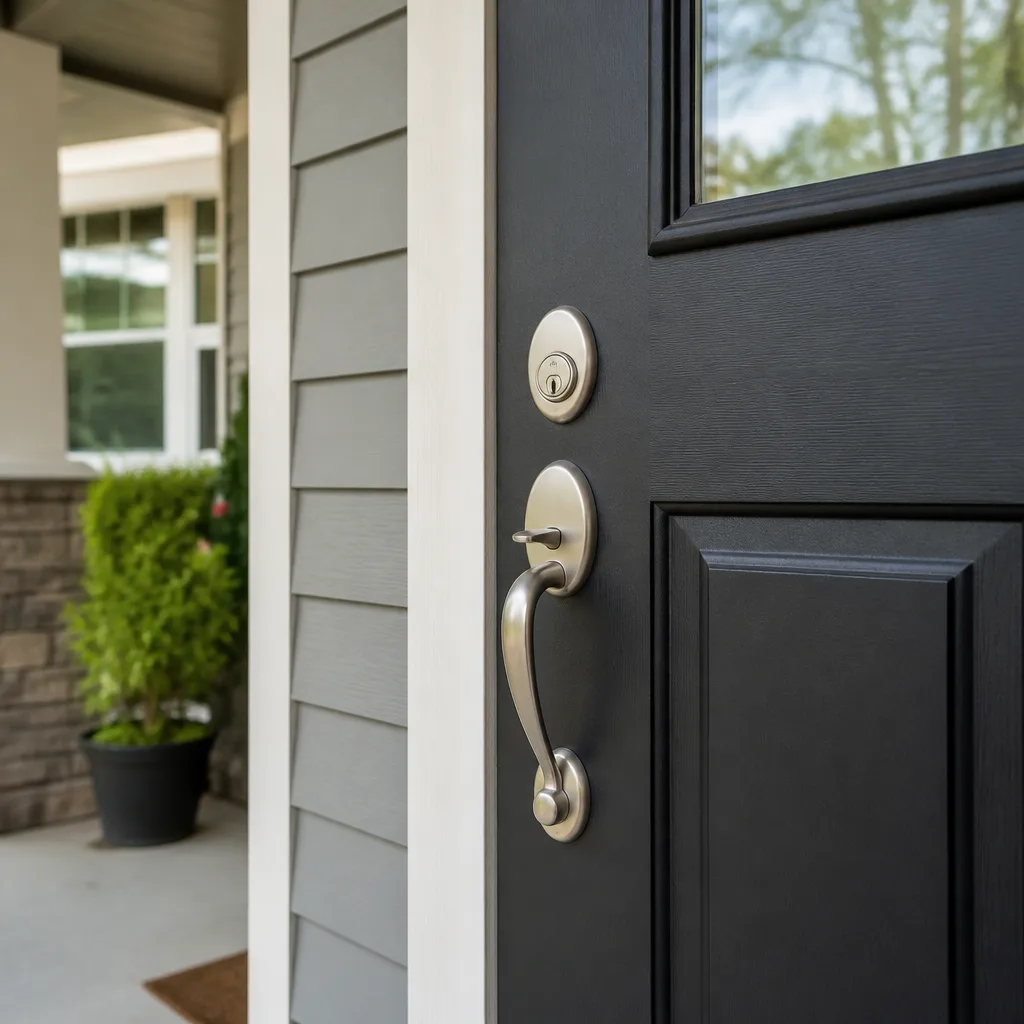 House lockouts
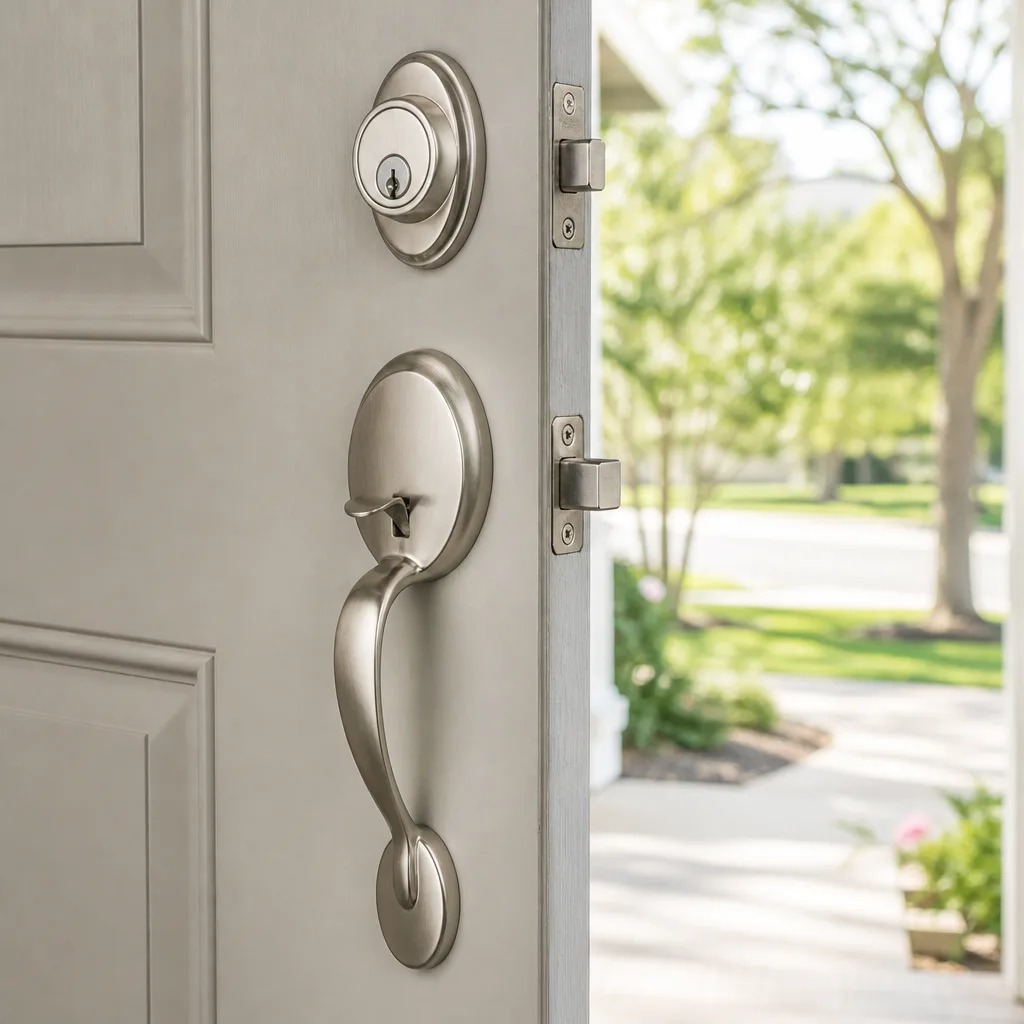 Re-keying
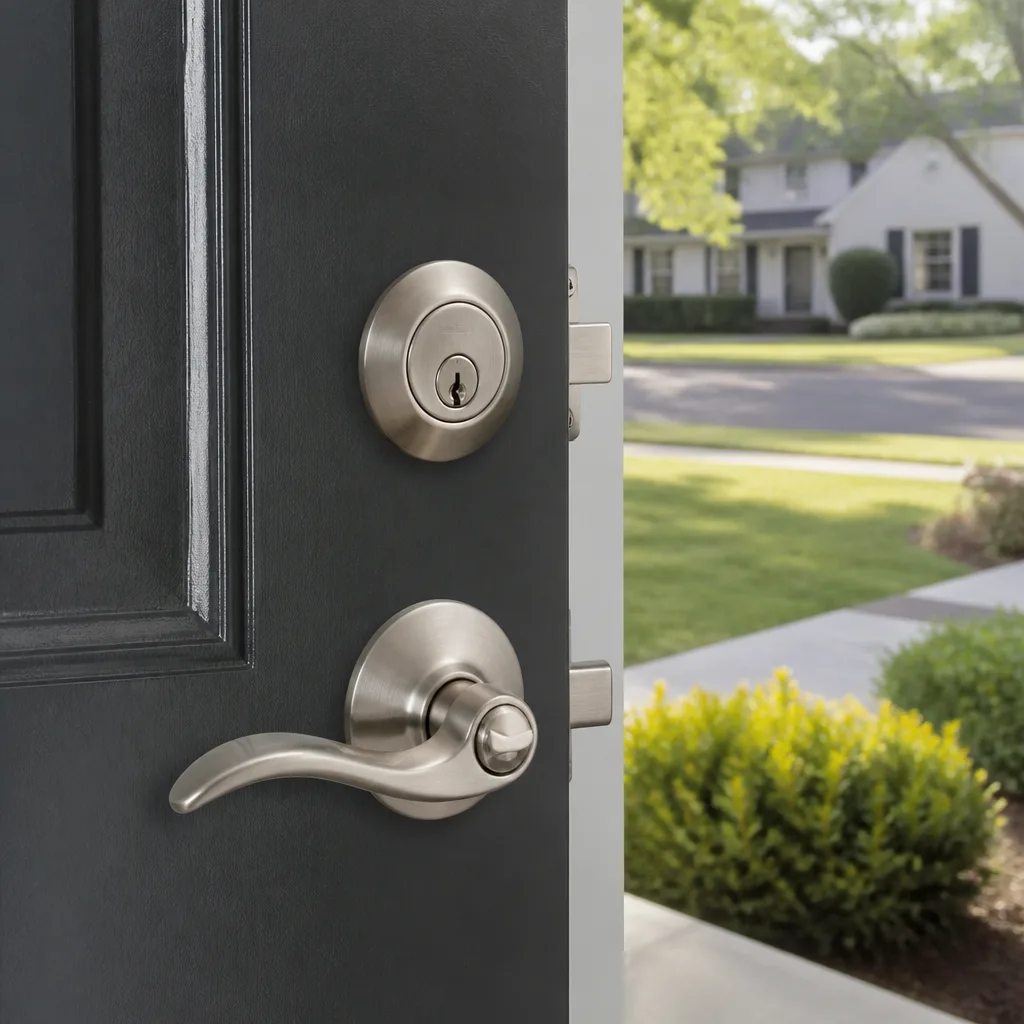 Deadbolt upgrades
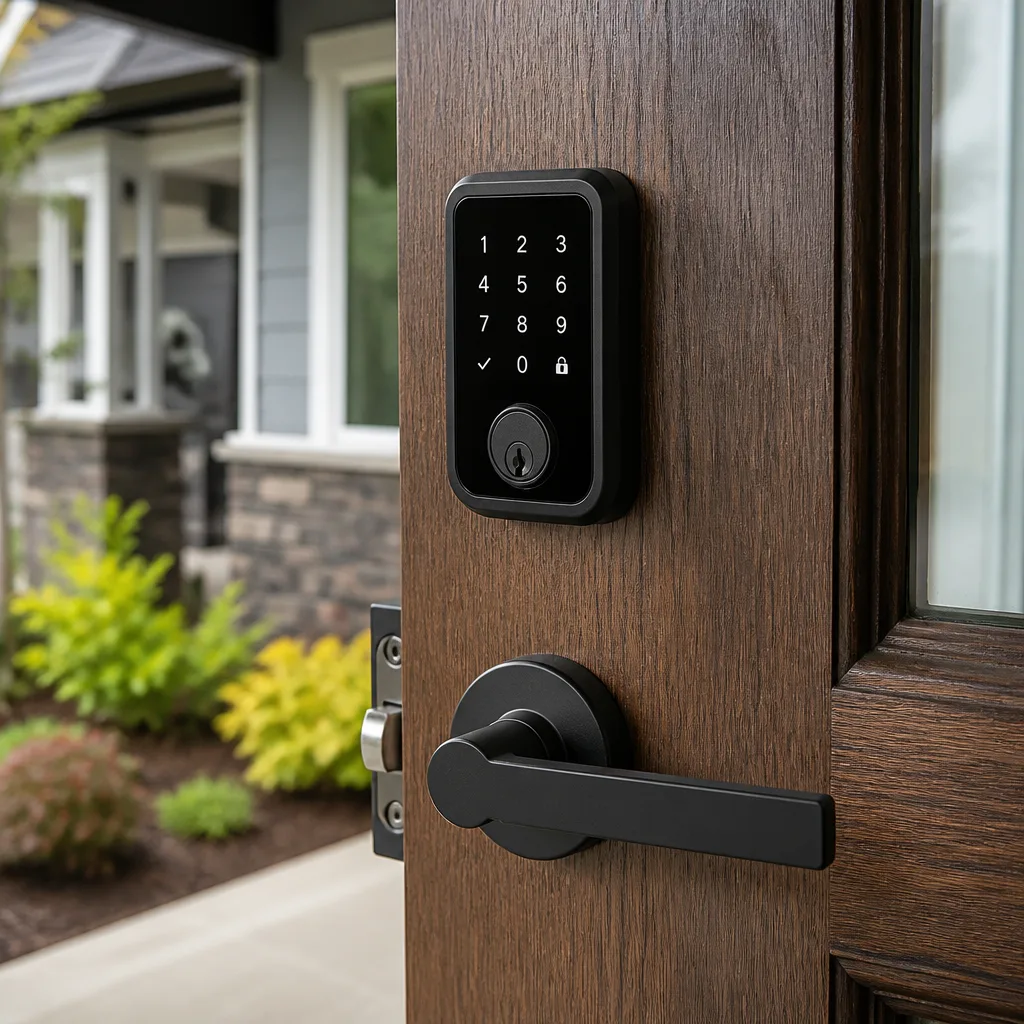 Smart locks
 Schlage
 Kwikset
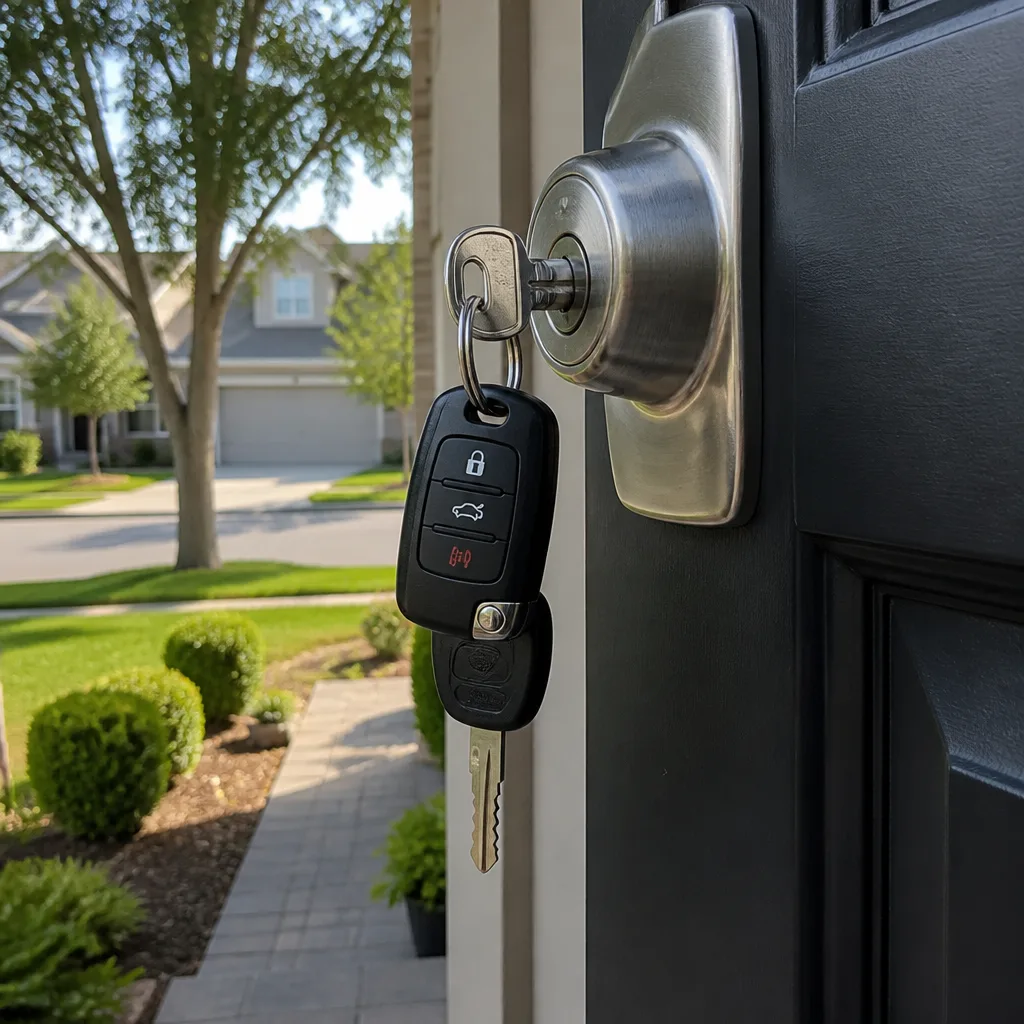 Car keys & fobs
Non-destructive entry first, always - and we re-key Schlage, Kwikset, and Baldwin locks on the spot while you watch
You get a price before we start. It does not change when we arrive. No surprises.
Get your free estimateThe Complete Car Key Replacement Guide for Mesa Homeowners
Most Mesa drivers don’t know what kind of car key they have until they’ve already paid the wrong person to replace it – and by then the mistake can cost $200 or more. That’s not an exaggeration. We see it every week: someone calls us after a dealership quoted them $450 for a key that should have cost $180, or after a hardware store cut a blade that starts the ignition but leaves the car immobilized because nobody programmed the chip. The car key landscape changed dramatically over the past two decades, and Mesa’s climate makes certain failures far more common here than in cooler cities. This guide maps every branch of the car key replacement decision tree, from identifying what you actually have to choosing between a dealer and a mobile locksmith, so you arrive at the right solution before you spend a dime.
Quick Answer
Car key replacement in Mesa typically costs between $120 and $350 depending on your vehicle’s year, key type, and whether programming is required. A mobile locksmith can replace most transponder keys, remote head keys, and proximity fobs in one visit for 30% to 60% less than a dealership, usually within hours rather than days. The critical question is not where you buy the key but whether it gets properly cut and programmed to your vehicle’s immobilizer system.
Styles & brands we work with
Table of Contents
- The Five Car Key Types: Which One Do You Have?
- Why Mesa’s Heat Makes Key Failure More Common Here
- Dealer vs. Mobile Locksmith: Cost and Timeline Compared
- Programming: The Step Nobody Budgets For
- Lost vs. Broken vs. Stolen: A Decision Checklist
- What to Expect During a Mobile Key Replacement Visit
- What You Can and Cannot Do Yourself
- Common Mistakes to Avoid
- When to Call a Professional
- Frequently Asked Questions
The Five Car Key Types: Which One Do You Have?
Before you call anyone about a replacement, you need to identify what type of key your vehicle uses. This single fact determines the replacement path, the tools required, and the price range. In Mesa, most vehicles on the road today fall into one of five categories, and each behaves differently when lost, broken, or worn.
1. Basic Mechanical Key (Pre-1996 Vehicles)
If your car was built before the mid-1990s, you likely have a plain metal key with no electronics inside. These keys cost the least to replace, typically between $5 and $25 when duplicated from an existing key, or $50 to $120 if a locksmith must originate a new key from the ignition cylinder code. No programming is required. A hardware store can duplicate a basic key, but if you lost all copies, a locksmith needs to decode the lock itself. Vehicles this age are increasingly rare in Mesa, but we still see them, particularly among classic car owners and work trucks.
2. Transponder Key (1996-2010, Many Models)
A transponder key looks like a normal metal key but contains a small RFID chip embedded in the plastic head. When you insert the key into the ignition, the car’s immobilizer sends a signal to the chip. If the chip responds with the correct code, the engine starts. If not, even a perfectly cut key will crank the engine but never fire. Replacement cost in Mesa: $75 to $180 for most domestic and Asian models. European models run higher, often $150 to $250. Programming is mandatory and usually takes 5 to 15 minutes with the right diagnostic equipment.
3. Remote Head Key (Common on GM, Ford, Chrysler, Toyota)
A remote head key combines a transponder chip with remote lock and unlock buttons in one unit, but the metal blade is still fixed. These keys are thicker and pricier to replace than basic transponder keys because you’re paying for both the chip programming and the remote function synchronization. Mesa replacement cost: $120 to $250. The remote portion must be paired to the vehicle’s body control module in addition to the immobilizer programming, which means cheap aftermarket units sometimes lock and unlock the doors but fail to start the car.
4. Proximity Key / Smart Key (2010-Present, Push-Button Start)
If your car starts with a push button and the key fob never leaves your pocket, you have a proximity key. These fobs communicate with the vehicle continuously via low-frequency radio. Replacement is the most expensive category. In Mesa, a new proximity key for a common sedan like a Honda Accord or Toyota Camry runs $150 to $300 from a mobile locksmith. Luxury and European vehicles, particularly BMW, Mercedes, and Audi, range from $250 to $500. Dealership pricing is often double those figures. Programming requires specialized diagnostic tools that not every locksmith owns, so you need to confirm capability before scheduling.
5. Switchblade Key
Switchblade keys have a metal blade that folds into the plastic fob housing. Volkswagen, Audi, older Mazda, and several other brands use this design. Replacement involves both cutting a new blade and programming the electronics, but the mechanical hinge and spring mechanism add a failure point. In Mesa, the plastic hinge components get brittle faster in the heat, which means the blade eventually stops locking into place. Replacement cost: $130 to $280 depending on make and whether the blade can be reused.
If you’re unsure which type you have, a quick test: if your key has buttons and push-to-start, it’s a proximity key. If it has buttons but requires turning in the ignition, it’s a remote head key. If it has a plastic head but no apparent buttons and your car is newer than 1996, it’s almost certainly a transponder key.
Why Mesa’s Heat Makes Key Failure More Common Here
Mesa’s climate is not a footnote in your key replacement decision. It’s a driving factor in why keys fail here more often than in most of the country. The Phoenix metro area sees average summer highs above 100°F for months at a time, and that heat works on your key and fob in specific, predictable ways.
First, the battery inside your remote head key or proximity fob is a lithium coin cell. Lithium batteries lose capacity faster at sustained high temperatures. A fob that sits on a Mesa dashboard or in a center console during July and August will drain its battery noticeably sooner than the same fob in Flagstaff or Prescott. We replace fob batteries in Mesa year-round, but demand spikes in September and October, after a full summer of heat exposure has pushed marginal batteries past the point where the car recognizes the fob signal.
Second, the plastic housing of modern keys expands and contracts with temperature swings. Mesa’s daily swing from a 105°F afternoon to a 75°F early morning puts mechanical stress on switchblade mechanisms and glued fob housings. That’s why switchblade key failures, where the blade flops loose or the spring stops returning, show up disproportionately in our service calls from Mesa and Gilbert rather than from cooler parts of the state.
Third, transponder chips are solder-mounted components. Repeated heat cycling can crack solder joints over years of exposure, particularly in older transponder keys that have been through ten or fifteen Mesa summers. When that happens, the key may work intermittently, failing to start the car on hot days and then working again after the interior cools down. Intermittent failure is a strong signal to replace the key now rather than waiting for total failure at an inconvenient moment.
The practical takeaway: if you drive an older vehicle in Mesa and your key has started working sporadically, don’t assume it’s the car’s ignition. It’s frequently the key itself, and a replacement is far cheaper than an ignition repair.
Dealer vs. Mobile Locksmith: Cost and Timeline Compared
The right provider for car key replacement in Mesa depends on your vehicle and your timeline, not on a blanket assumption that dealership equals quality. Here’s an honest comparison based on what we see in the Mesa market in 2026.
Dealership Replacement
Dealerships have the OEM key inventory and the factory programming tools for their specific brand. That’s a real advantage for the newest models, particularly European luxury vehicles where aftermarket key availability lags a few years. But the disadvantages stack up quickly. First, cost: dealership key replacement in Mesa typically runs 50% to 100% higher than a qualified mobile locksmith for the same key. Second, time: you’ll need to schedule an appointment, often days out, then sit in the service department while the work is done. Third, towing: if your car won’t start because the key is lost or dead, you pay to have it towed to the dealer before you ever pay for the key itself. Fourth, hours: most Mesa dealerships close by 7 or 8 p.m. If you lose your key at 10 p.m., the dealership is not answering.
Mobile Locksmith Replacement
A mobile locksmith comes to your location, whether that’s your driveway in Eastmark or a parking lot near Mesa Community College, and completes the replacement on site. The equipment needed for transponder and proximity key programming is portable, and most jobs take between 30 and 90 minutes from arrival. Cost savings come from lower overhead and the fact that we source keys from the same aftermarket manufacturers that supply dealers in many cases. The honest limitation: some brand-new vehicles, typically the current model year, have keys that only the dealer can obtain and program for the first few months after release. If you’re driving the very latest model and you lose a key, the dealer may be your only option until the aftermarket catches up.
Here’s a realistic side-by-side for Mesa pricing in 2026 for a standard mid-size sedan, say a 2019 Honda Accord with a proximity key:
- Dealer replacement key + programming: $350-$450, 3-7 day wait, plus towing if the car won’t start
- Mobile locksmith replacement + programming: $180-$250, same day, no towing
For an older transponder key vehicle, say a 2008 Toyota Camry, the gap narrows but remains meaningful: around $200 at a dealer versus $90 to $140 from a mobile locksmith.
One point worth being blunt about: dealership parts counters in Mesa have gotten better at selling keys over the counter, but buying a key from the dealer parts department is only half the job. You still need it cut and programmed, and the parts counter does not do that work. Many Mesa drivers buy a dealer key, take it to a hardware store for cutting, and then discover the car won’t start because nobody programmed the transponder. That’s a $200 mistake that returns them to square one.
Programming: The Step Nobody Budgets For
If there’s one phrase we hear more than any other in this business, it’s some variation of: “I got the key cut, but the car still won’t start.” In almost every case, the cutting was fine. The programming never happened.
Here’s what programming actually means, and why it’s the step most people forget to budget for. Since the mid-1990s, virtually every new vehicle sold in the U.S. includes an engine immobilizer. This is a security system that prevents the car from starting unless the correct transponder chip or proximity signal is present. When you replace a key, the immobilizer has to be told to recognize the new key. That process is called programming, and it requires a diagnostic tool that can communicate with the vehicle’s security module. A standard key-cutting machine cannot do this. A hardware store key blank cannot do this. Even a perfectly cut key blade will crank the engine and the engine will refuse to fire if the immobilizer doesn’t see a recognized chip.
What happens if programming is skipped? The car enters security lockout mode. On some vehicles, that means the engine will not crank at all. On others, it cranks but will not start. On a few models, the security system will lock out all keys for 10 to 30 minutes as a theft-deterrent response. None of these outcomes is subtle, and none of them is fixed by trying the key again. The car is immobilized until a properly programmed key is introduced.
Programming costs vary. For many domestic and Asian vehicles, transponder programming takes under ten minutes and is included in the locksmith’s key price. For proximity keys and European models, programming requires more sophisticated equipment and more time, which is reflected in the higher replacement cost. The important question to ask any provider is straightforward: “Is programming included in the price?” If the answer is vague, get a different provider. An honest company will tell you the total price up front, including cutting, programming, and the visit itself.
Our car key replacement in Mesa pricing always includes programming. We’ve yet to meet a customer who was happy to discover a $90 programming fee after the key was already cut.
Lost vs. Broken vs. Stolen: A Decision Checklist
How you lost access to your car determines which path makes sense. The cheapest solution for a lost key is not the same as the right move for a stolen key, and treating all three scenarios identically is how Mesa drivers overspend.
Scenario 1: You Lost the Key
- Check your remaining keys. If you have a working spare, the immediate need is duplication, not emergency replacement. Mobile locksmiths can duplicate most transponder and remote head keys on site while you wait.
- If you have no working key at all, the locksmith must originate a new key from scratch, which costs more and takes longer. This is still faster and cheaper than towing to a dealer in most cases.
- Consider replacing all keys if the lost key was labeled with your address or kept with identifying documents. Rekeying is a well-known home security concept, and we offer rekey locks in Mesa for exactly that reason. For cars, the equivalent move is a full key replacement and immobilizer reset so the lost key no longer starts the vehicle.
Scenario 2: The Key Is Broken
- If the metal blade snapped but you still have both pieces, a locksmith can often cut a new blade from the fragments without needing to decode the lock. Retain the electronic head because it can frequently be transferred to a new housing, saving you the cost of a transponder or remote.
- If the plastic housing cracked but the electronics still work, a shell replacement is the cheapest fix. The internal circuit board transfers to a new body, and only the blade needs cutting, if at all.
- If the key will not turn in the ignition, the problem may be a worn key, a worn ignition cylinder, or heat-related warping. A locksmith can diagnose which before recommending a replacement.
Scenario 3: The Key Was Stolen
- Treat a stolen key as a security problem, not just a convenience problem. The fastest and safest response is to have the vehicle’s immobilizer reset so the stolen key is erased from the system, then program new keys.
- If the thief also took the car, contact Mesa Police first. Key replacement comes after the vehicle is recovered or after you’ve filed the report, not before.
- For repeated theft concerns, high-security key systems exist, including brands like Medeco that make duplicating a key without authorization extremely difficult. The same expertise applies to residential security if your house key was on the same ring: rekeying your Mesa home locks is the immediate move there.
What to Expect During a Mobile Key Replacement Visit
If you’ve never called a mobile locksmith for a car key before, the process is straightforward, but knowing what happens eliminates the friction of uncertainty. Here’s the sequence for a typical transponder or proximity key replacement at your Mesa home or workplace.
Step 1: Vehicle verification. The locksmith confirms the year, make, and model, and checks the VIN on the dashboard or door frame. This identifies the exact key type and the programming protocol. Some vehicles require proof of ownership before key work begins, so have your registration or title available.
Step 2: Key cutting. If a mechanical blade is involved, the locksmith cuts the new blank using a portable cutting machine. For vehicles that decode the lock via the VIN, the cut is precise on the first pass. For older vehicles without VIN-accessible codes, the locksmith may need to disassemble the lock briefly to read the wafers.
Step 3: Programming. The locksmith connects a diagnostic tool to the vehicle’s OBD-II port and follows the manufacturer’s programming sequence. This takes anywhere from five minutes for older transponders to 30 minutes for some European proximity systems. During this step, the locksmith is effectively confirming the car’s security module accepts the new key.
Step 4: Function test. The new key starts the car. Doors lock and unlock. Remote functions are confirmed. The old key, if you have one, is tested to ensure it still works or is erased as appropriate.
Total time on site: typically 45 to 90 minutes, depending on the vehicle. Total cost: quoted in full before any work begins, and that quote is the price you pay. No arrival surcharge, no programming surprise. You’ll find the same discipline on our residential side, where rekeying Mesa locks is quoted the same way.
What You Can and Cannot Do Yourself
Some parts of car key maintenance are safely within reach of a Mesa weekend. Others are not, and confusing the two is expensive. Here’s an honest breakdown.
You Can: Replace a Key Fob Battery
If your proximity key responds intermittently, the battery is the first suspect. Most fobs open with a small flathead screwdriver or a coin inserted at a seam. The battery inside is a standard CR2032 or CR2025 coin cell, available at any Mesa hardware store or pharmacy for under $5. Replacing it takes five minutes and requires no tools beyond a screwdriver. This is a genuinely reasonable DIY task for a patient homeowner.
You Can: Buy a Replacement Key Shell
If the plastic body of your key is cracked but the circuit board inside still works, replacement shells for many popular models are available online for $10 to $30. Transferring the internal electronics and the blade into a new shell is delicate but doable. The one step that requires professional equipment is cutting the new blank blade to match your ignition.
You Cannot: Program a Transponder or Proximity Key Without Diagnostic Equipment
Internet guides that claim you can program a transponder key by turning the ignition on and off a certain number of times apply to a small number of vehicles from specific model years, mostly Fords and a few GM models from the early 2000s. For virtually every vehicle sold after 2010, programming requires a diagnostic tool that costs more than the key itself. Do not buy a blank key online expecting to program it yourself. You will end up paying a locksmith for programming anyway, and the online blank may not be compatible with the professional equipment used here in Mesa.
You Cannot: Cut a Transponder Key Blank at a Hardware Store
Hardware stores can duplicate basic mechanical keys. When they duplicate a transponder key, they are copying the blade shape only. The copy will open your door but will not start the car unless the store also clones the chip, which most cannot do. A cloned chip, when available, is chemically the same as your original but does not work on vehicles that use rolling-code immobilizers. The result is a key that works twice and then fails. The car key replacement service in Mesa we offer exists specifically because hardware store solutions have hard limits.
Common Mistakes to Avoid
- Assuming a hardware store key will start the car. It will open the door. On any vehicle newer than 1996, it will not start the engine without transponder programming, which hardware stores cannot perform. You’ll spend $6 on a copy and still need a real replacement.
- Calling a tow truck before a locksmith. If your key is lost or the fob is dead, a locksmith comes to you. Towing to a Mesa dealership adds $75 to $150 to the job and delays you by hours or days. Call first, tow only if it’s truly undrivable.
- Buying an online blank without checking compatibility. Online key blanks are cheap for a reason. Many are incompatible with professional programming equipment or fail after a few months. By the time you pay for cutting and programming, the savings evaporate.
- Replacing the ignition before checking the key. When a key won’t turn or the car won’t start, the instinct is to blame the ignition cylinder. Often the key itself is worn, or a low fob battery is keeping the immobilizer from reading the chip. A diagnostic check before parts replacement saves hundreds.
- Ignoring intermittent key failure. In Mesa’s heat, a key that works “sometimes” is a key that will fail completely, usually at the worst moment. Intermittent function is a symptom of chip or solder degradation, not a car problem that will resolve itself.
- Not asking if programming is included. Some providers advertise a low key price and then add cutting, programming, or a “service fee” on arrival. The full price should be quoted before dispatch, and the price on the invoice should match the phone quote. If a company won’t commit to that, keep dialing.
When to Call a Professional
A professional locksmith is the right call when you’ve lost all working keys, when your key is broken beyond shell replacement, when the car will not start despite a working blade, or when you need a stolen key erased from the vehicle’s immobilizer. Any scenario involving programming, and that’s virtually every car sold after 1996, requires diagnostic equipment the average Mesa homeowner does not own. If you’re stranded in a parking lot at night, a mobile locksmith is also the only provider that comes to you during hours when dealerships are closed. Parkway Lock & Key offers car key replacement, emergency locksmith service in Mesa, and residential rekeying, so one call covers the automotive and home security sides of the same problem. Call (877) 824-1139 for a free estimate before you schedule anything or tow anything.
Frequently Asked Questions
Expect to pay between $120 and $350 for most vehicles in Mesa, depending on the key type and vehicle year. Basic mechanical keys run $50 to $120 to originate, transponder keys $75 to $180, remote head keys $120 to $250, and proximity keys $150 to $350. European and luxury vehicles run higher, often $250 to $500. The full price, including cutting, programming, and the service visit, should be quoted before anyone is dispatched. Call (877) 824-1139 for an exact quote on your vehicle.
Yes, a properly equipped mobile locksmith can replace and program proximity keys in Mesa for most vehicles, typically at 30% to 60% below dealership cost. The exception is the very newest model year, where key availability may be dealer-only for a few months after release. Confirm that programming is included in the quoted price before scheduling.
Most on-site key replacements take between 45 and 90 minutes from arrival, including cutting, programming, and testing. A mobile locksmith typically reaches you within hours, not days. Dealership replacement, by contrast, usually means scheduling days out and leaving your car at the service department.
Yes, and you should. A dead fob battery is the most common cause of intermittent key failure in Mesa, where summer heat drains lithium cells faster. Open the fob, identify the battery number, and install a fresh cell from any Mesa pharmacy or hardware store. If the key still doesn’t work after a new battery, the problem is likely the chip or the programming, not the power source.
If no working key remains, call a mobile locksmith. They can originate a new key from your vehicle’s VIN or by decoding the lock itself, then program it on site. Do not tow to a dealer unless a locksmith has confirmed your specific vehicle genuinely requires dealer-only equipment. Have your registration or title ready to prove ownership before key work begins.
Yes. Our brand coverage spans Kwikset and Schlage on the residential side through Medeco, Mul-T-Lock, and Abloy on the high-security side, which means we handle the full range from a standard house rekey to restricted keyways for commercial properties. The same appointment that replaces your car key can also rekey the locks on your Mesa home if your house key was lost or stolen at the same time.
The Bottom Line
Car key replacement in Mesa comes down to three decisions: knowing your key type, choosing a provider with the right programming equipment, and getting a firm total price before work begins. Mesa’s heat accelerates battery and chip failures, so the question is usually when a key needs replacement, not whether. For most vehicles, a mobile locksmith matches or beats dealer quality at a lower cost and completes the job at your location instead of a service bay. If you’re holding a key that works “sometimes,” that’s your signal to act. Call Parkway Lock & Key at (877) 824-1139 for a free estimate, and we’ll tell you exactly what your vehicle needs and exactly what it will cost before we ever dispatch a van.
Written by the team at Parkway Lock & Key, serving Mesa since 2014. We specialize in car key replacement, emergency lockout response, and lock rekeying for homeowners, landlords, and businesses across the East Valley. From Kwikset to Medeco, we know every level of the lock.